Filtre

Type the word you want to search for
2 minute reading time
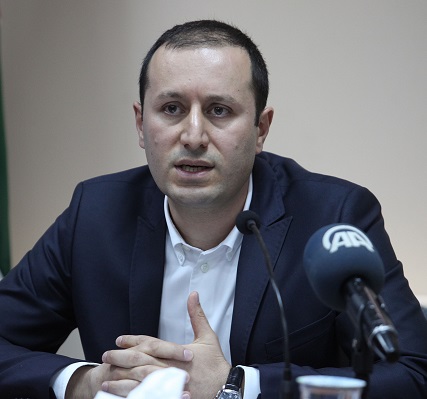
The Polish Institute of International Affairs (PISM) delegation paid a visit to ORSAM on 3 December 2015. PISM delegation included Senior Research Fellow Andrzej Ananicz, Head of the Project of Middle East and North Africa Patrycja Sasnal, and Analyst Pinar Elman. ORSAM Director Şaban Kardaş, ORSAM researchers Oytun Orhan and Bilgay Duman, and ORSAM advisor Pınar Arıkan were present at the ORSAM delegation.
The meeting started with the issue of integration of Syrian refugees to Turkish society. After discussing the Turkish policies for the resolution of the unemployment and education problems of the Syrian refugees, the possibility of the end of the refugee influx to Europe especially after the donation of the EU fund promised to Turkey was evaluated. It was explained that the related ministries and directorates were making necessary regulations for the primary and higher education of refugees. It was also stated that the Syrian refugees were being integrated into Turkish economy, which was demonstrated by the fact that the number of the Syrian-origin companies in Turkey was on the rise. Also, it was emphasized that more than half of the new Turkish companies established in 2015 included a Syrian partner. On the issue of the impact of the Syrian-origin companies and Syrian partners in Turkish companies to the cross-border trade, it was stated that the trade increased not due to the economic activities of Syrians in Turkey but largely due to the humanitarian aid to Syria. Overall, it was argued that the Syrian refugees were creating not just a burden to Turkish society but also positive returns economically. However, it was emphasized that the refugee influx to the EU countries could not be prevented only by financial aid. It was stated that Turkey, Lebanon and Jordan, the countries that has been hosting Syrian refugees, had young populations, which disabled these countries to provide the suitable environment especially for the middle-class and highly-educated refugees. In the case of Turkey, for instance, it was argued that Turkey could provide basic needs for the refugees, but the young Turkish society could not provide adequate opportunities for the refugees with higher expectations. The meeting was concluded by discussion of issues such as inclusion of Bashar Assad to a transition process in Syria, the possibility of establishment of an independent Kurdish state in the north of Syria, and Iranian policy in the Middle East.

23.06.2025
All Rights Reserved 2012 - 2026 | Orsam


 Google Calendar Add


