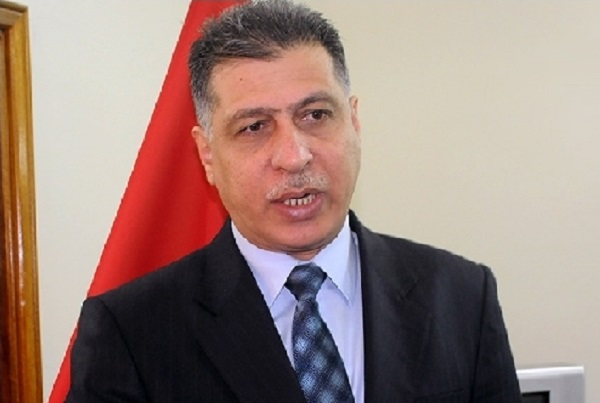
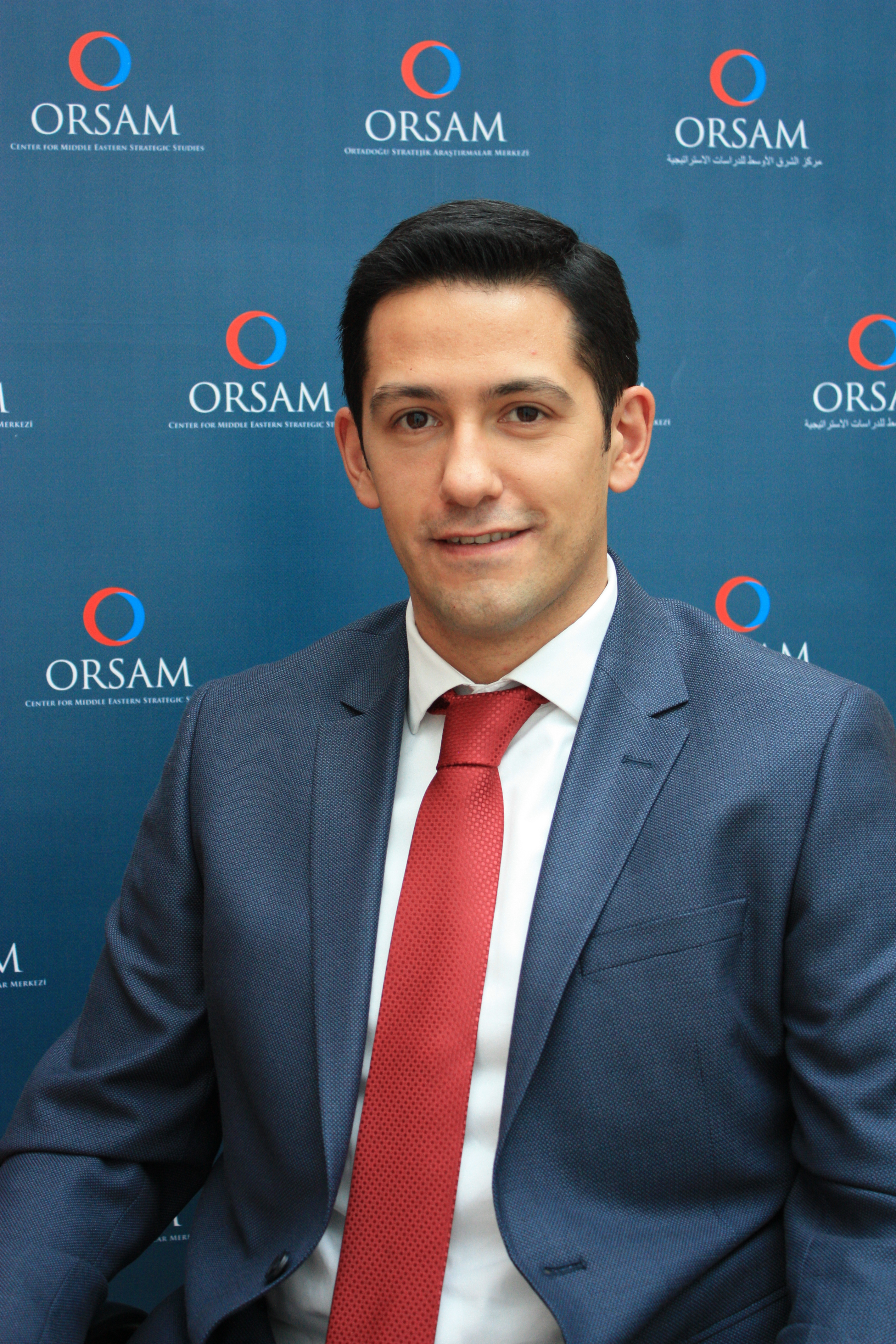
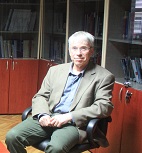
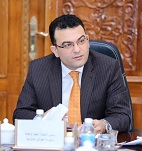
The Goran Movement, one of the rising powers of the politics in Iraq's Kurdistan Regional Government, aims to emerge stronger in the regional parliamentary elections to be held in September. The Movement, planning to increase the number of its seats in the parliament, aims at making a major change in the politics of Iraq's Kurdistan Regional Government. We had the opportunity to make an interview Serdar Azez, MP candidate of the Goran Movement, before the elections. Azez is also an academician who works on the relations between Turkey and Iraqi Kurdistan. We talked to him about the Goran's expectations from the elections, and the relations between Turkey and Iraqi Kurdistan.
SERDAR AZEZ: “NOBODY CAN ASSUME TALABANI'S ROLE IN PUK, THE ONLY UNIFYING LEADER IS NECHIRVAN MUSTAFA.”
ORSAM: Could you tell us about yourself in brief?
Serdar Azez: My name is Serdar Azez. I completed my PhD at Cork University. I am running as MP candidate of Goran Movement in the upcoming elections.
ORSAM: As Goran Movement's MP candidate, what are your expectations from the upcoming elections?
Serdar Azez: We expect a change in power balances in the politics of Iraqi Kurdistan. We expect to win at least five more seats in the parliament. Thus, we believe that the number of our seats in the parliament will increase from 25 to 30. It is mainly because of the increasing number of people who want to use their rights to decide and vote in the region. It is high time that the political balances in the region should change. It is necessary to have a new government that respects each and every citizen. Which literally means rule of the people.
ORSAM: There is an agreement of strategic alliance between the KDP and PUK. The agreement weakens the hand of the opposition. Considering within the framework of this agreement, do you believe that there will be a change in the region in real terms?
Serdar Azez: The alliance has been getting worse for quite a while. Talabani even mentioned making a radical change. But the reason why the alliance still continues is because ending the alliance does not suit PUK's interests for now.
ORSAM: We know that Jalal Talabani has been dealing with health problems. Therefore, there are some scenarios regarding the post-Talabani period. One of those scenarios suggests that former PUK leader and current Goran leader Nechirvan Mustafa's taking over the leadership of PUK, and the merge between Goran Movement and PUK. What do you think about this and other scenarios about the power struggle within PUK?
Serdar Azez: As a matter of fact, PUK supports Nechirvan Mustafa's taking on the leadership, because none of the current candidates has full authority to represent. Those candidates are not popular among the people and remain capable. They cannot represent the whole PUK. PUK is also aware of that, but is not in favor of doing any change. They want to maintain the status quo. And this would be in favor of Goran Movement in the elections. Talabani is irreplaceable in PUK. No one can take on Talabani's role. The only unifying leader is Nechirvan Mustafa, and he might actually bring democracy to the region as a participative leader.
ORSAM: You have studies on the relations between Turkey and Iraq's Kurdistan Regional Government. How do you assess the relationship between the Parties in recent period?
Serdar Azez: We support Iraqi Kurdistan's close relations with Turkey. We do not have any problem in economic, financial terms, or in terms of energy. But we have some concerns regarding the extent of the relationship. We would like to have transparency in this relationship, as a well as a positive impact on the entire region. Turkey should understand that it should not interfere in the balances in the region, even if it does not aim to have a negative impact. Because this might backfire. The relationship should be based on solid foundations. Just like a dynasty, the benefits or impacts of the relationship should not be reflected on family, persons or party. A political party should not have such an influence over the people. One should not resort to force on the people, as in colonialist mindset. It is necessary to attach importance to people's opinions. To sum up, this relationship can be considered in two aspects: First of all, a peaceful relationship; and secondly the relationship should be revised. The opposition's views should also be attached importance to, and people's opinions should be taken into consideration. This is the only way to have a long-term and stable relationship.
ORSAM: Economy and energy dimensions in the relations between Turkey and Kurdish region come to the fore. However, there is also security. What do you think about the possibility that the problems regarding PKK will ruin the current relationship?
Serdar Azez: This is a crucial aspect of the relationship. It depends on Turkey's solving the Kurdish problem. The failure in solving the Turkish-Kurdish relations would damage the relations with Iraqi Kurdistan in the future. This is an issue independent from economy and energy. The people would lose their trust. If the Kurdish problem continued, it would have negative impacts on both Parties. Increasing sense of nationalism aggravates the situation. This problem should be eliminated in order to have a long-term relationship between Oraqi Kurdistan and Turkey.
ORSAM: What does Goran Movement consider about security and foreign politics? For instance: The relations with Iran, an outlook on West, Kirkuk issue etc.
Serdar Azez: It should be realized that Iraqi Kurdistan is a key actor in the region, and it is also necessary to act in line with the mutual interests. That would bring advantage to everyone. Namely, it is possible to establish good relations with both Iran and Turkey without taking sides. Of course, it is difficult in geopolitical terms, but this is the goal. One should not be enemies with anyone. On the contrary, one should get along with everyone and have interest-based relationship. Goran Movement always aims at progressing with positive thoughts. It is also the same for the U.S.. Goran attaches importance to democracy, human rights, transparency and comprehensive principles. And we believe that nobody can oppose to these principles. It does not come to mean that we are planning to make radical reforms or that we are against everything. We stay the course of liberalism by considering what's best for the people. We believe that our relationship with the people will be for the interest of both us and the people without posing threat to anyone.
ORSAM: Thank you.
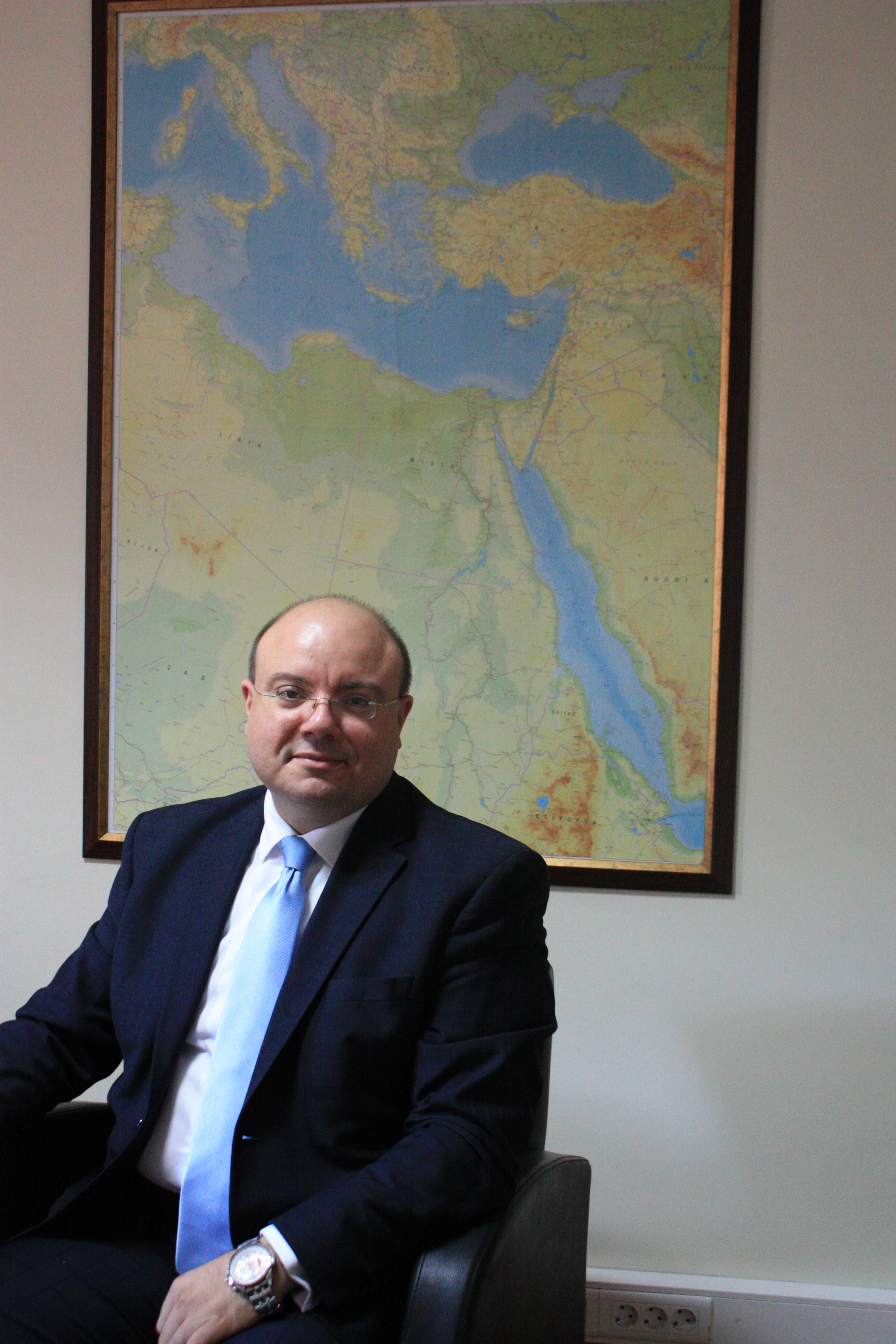
* This interview was made by ORSAM Middle East Specialist Oytun Orhanin Ankara on August 15, 2013.