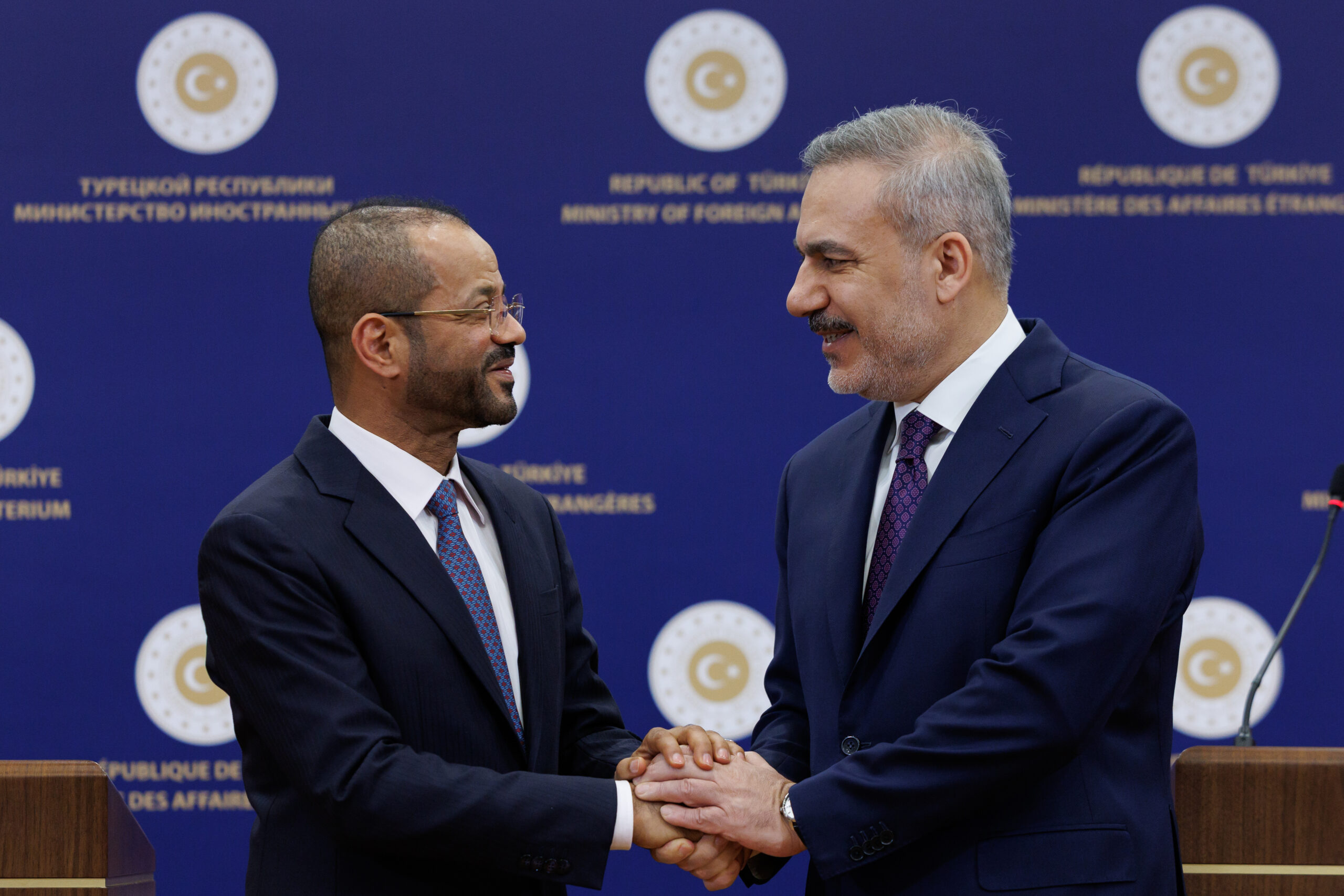
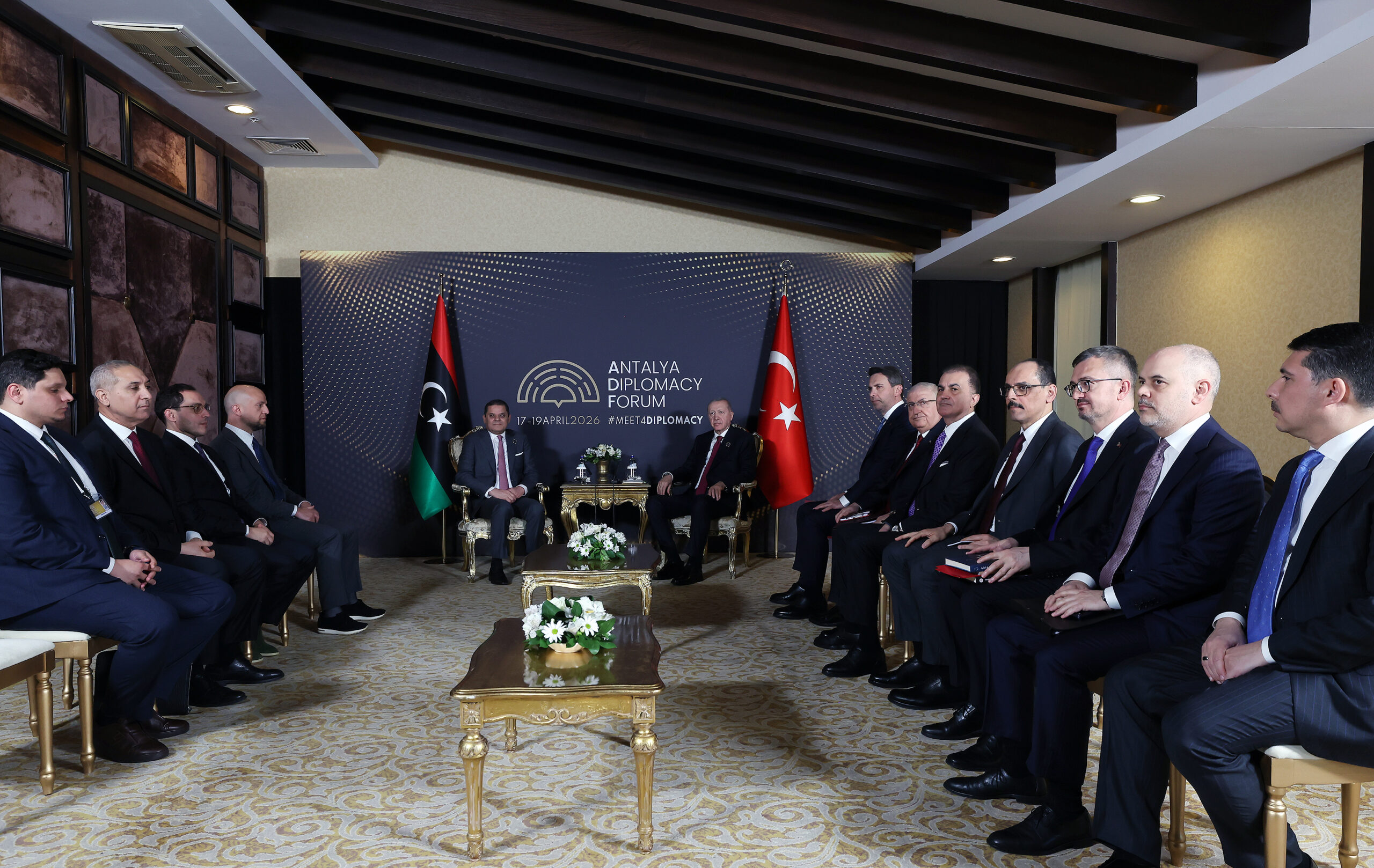
The cooperation agreement signed between Libya’s National Oil Corporation (NOC) and the Turkish Petroleum Corporation (TPAO), covering geological surveys in four offshore areas, lies at the intersection of Libya’s post-conflict economic recovery and Türkiye’s broader energy vision in the Eastern Mediterranean and Africa. This agreement goes beyond a mere technical exploration process; it carries multifaceted significance in terms of energy security, geopolitical influence, and economic integration. For a country like Libya, undergoing a transitional political process, external partnerships in restructuring its energy sector are of critical importance for boosting production capacity and restoring international confidence. Türkiye’s involvement should be viewed as an extension of its previous military, diplomatic, and economic engagements in Libya — now extended into the energy domain.
Benefits for Libya, Türkiye
As of 2024, Libya’s declared target of producing 2 million barrels per day is not merely a technical goal to boost production capacity but also serves as the economic cornerstone of the country’s national reconstruction vision. With current production hovering around 1.2 million barrels per day — well below pre-conflict levels — closing the gap and achieving the target cannot be accomplished solely through the rehabilitation of existing fields. The discovery of new reserves, especially offshore, is directly tied to the outcomes of forthcoming geological surveys. Libya’s coastal hydrocarbon potential remains largely underexplored and is increasingly seen as a key element of the country’s sustainable energy strategy. The agreement signed with TPAO provides a technical partnership model tailored to meet this need.
From Türkiye’s perspective, this agreement holds significance on multiple levels. Foremost among them is the strategic objective of diversifying energy sources and reducing import dependency, a central pillar of Türkiye’s energy security policy. In this context, TPAO’s natural gas discoveries in the Black Sea and its exploration initiatives in Somalia mark a new phase of external engagement. The agreement with Libya complements this expansion both geographically and geopolitically. Türkiye’s push to strengthen its presence in the Eastern Mediterranean, particularly since the 2019 maritime boundary delimitation agreement with Libya, are further grounded through such energy initiatives. Hence, the seismic and potential drilling activities to be undertaken by TPAO in Libyan waters should be interpreted not only in economic terms but also as a strategic maneuver with broader regional implications.
The TPAO-NOC partnership holds relevance not only in the context of bilateral relations but also within the framework of Türkiye’s energy vision for Africa. Rising energy demand across the continent has renewed global interest in Africa’s oil and gas resources. In a competitive landscape involving actors like China, France, the U.S., and Russia, Türkiye’s ability to forge technically robust partnerships enhances both its energy security and foreign policy diversification. Energy-based cooperation with Libya strengthens the energy component of Türkiye’s multidimensional engagement strategy in the region and adds economic depth to its geopolitical presence in the Mediterranean.
Strategic importance, challenges for Libya
Offshore energy production, compared to onshore operations, involves higher costs and more complex technical requirements. In Libya’s case, prolonged civil conflict and insufficient infrastructure mean that sustainable progress in this sector will require substantial financial investments. Each deep-sea drilling operation is estimated to cost between $60 million and $120 million, while total investment needed — including platform installations, transport pipelines, and processing facilities — may range from $3 billion to $5 billion. It is highly unlikely that Libya can cover these costs on its own. Forming a partnership with an actor like TPAO, which has strong technical capabilities, public backing, and a long-term strategic vision, offers Libya a critical advantage. Additionally, such partnerships send positive signals to other foreign investors, facilitating the integration of Libyan fields into international markets.
It is evident that the agreement will not directly fulfill Libya’s 2 million barrel per day production target, as it remains in the exploration and research phase. However, this phase constitutes the first and perhaps most crucial link in the production increase chain. The geological surveys will not only identify the presence of new reserves but also assess the commercial viability of these sites. This will contribute to the technical capacity of the NOC and help restore Libya’s image as a reliable oil and gas producer in global markets. In this sense, technical cooperation agreements of this nature should be viewed as structural investments that directly support Libya’s production goals.
Nonetheless, the long-term success of such cooperation depends on addressing structural problems within Libya’s energy sector. Political polarization remains a major impediment. Tensions between the Tripoli-based Government of National Unity (GNU) in western Libya and the Benghazi-based House of Representatives in the east over revenue sharing and control of oil fields threaten the continuity of field operations. Still, Türkiye’s “One Libya” policy and its balanced engagement with all factions serve as a critical asset in navigating these political complexities.
Furthermore, Libya’s insufficient energy infrastructure, aged refineries, unstable electricity grid, and pervasive security risks undermine its capacity to attract foreign investment. Militia interference in energy facilities and the instrumentalization of oil production for political leverage have contributed to investor reluctance. Beyond technical support, Türkiye must therefore expand its contributions to institutional capacity building, security sector reform, and the modernization of Libya’s energy infrastructure.
Conclusion
The cooperation agreement between TPAO and NOC represents a vital instrument for rebuilding Libya’s economic and technical capacities. It will not only facilitate seismic research and generate drilling data but also contribute to the remapping Libya’s energy resources, improving its international investment climate, and consolidating Türkiye’s regional influence through energy diplomacy. However, the success of this process requires a comprehensive approach that integrates political, legal, and institutional dimensions alongside technical activities. Otherwise, the strategic gains expected from offshore endeavors may be undermined by onshore structural weaknesses. Pursuing the Türkiye-Libya energy partnership through a long-term, multidimensional strategic lens is therefore in the shared interest of both nations.
This opinion piece was published on 30 June 2025, on the AA website under the title “TPAO-NOC anlaşması: Libya’nın enerji geleceği ve Türkiye ile stratejik işbirliğinin yansımaları”