Disruptions around the Strait of Hormuz have renewed regional interest in alternative connectivity projects, leading to discussions between Jordan, Türkiye, and Syria on transportation and the revival of the historic Hejaz Railway. Following high-level meetings in Amman, Ankara, and Damascus, the three nations signed a memorandum of understanding (MoU) on transport aimed at easing trade and integrating logistics, pushing the historic Hejaz Railway back onto the regional agenda.
Built during the Ottoman era, the Hejaz Railway linked Damascus to Medina and, through the wider Ottoman rail network, connected the Levant region to Istanbul. It passed through several cities in present-day Jordan, with its main stations located in Amman and Ma’an. The railway holds significant historical importance for Jordan, as King Abdullah I arrived in Ma’an by train before establishing his headquarters there. Today, the revival of the railway is an opportunity for Jordan to convert the kingdom’s geography into strategic value by linking Türkiye, Syria, and the Gulf through an emerging regional transport corridor.
Recent trilateral efforts
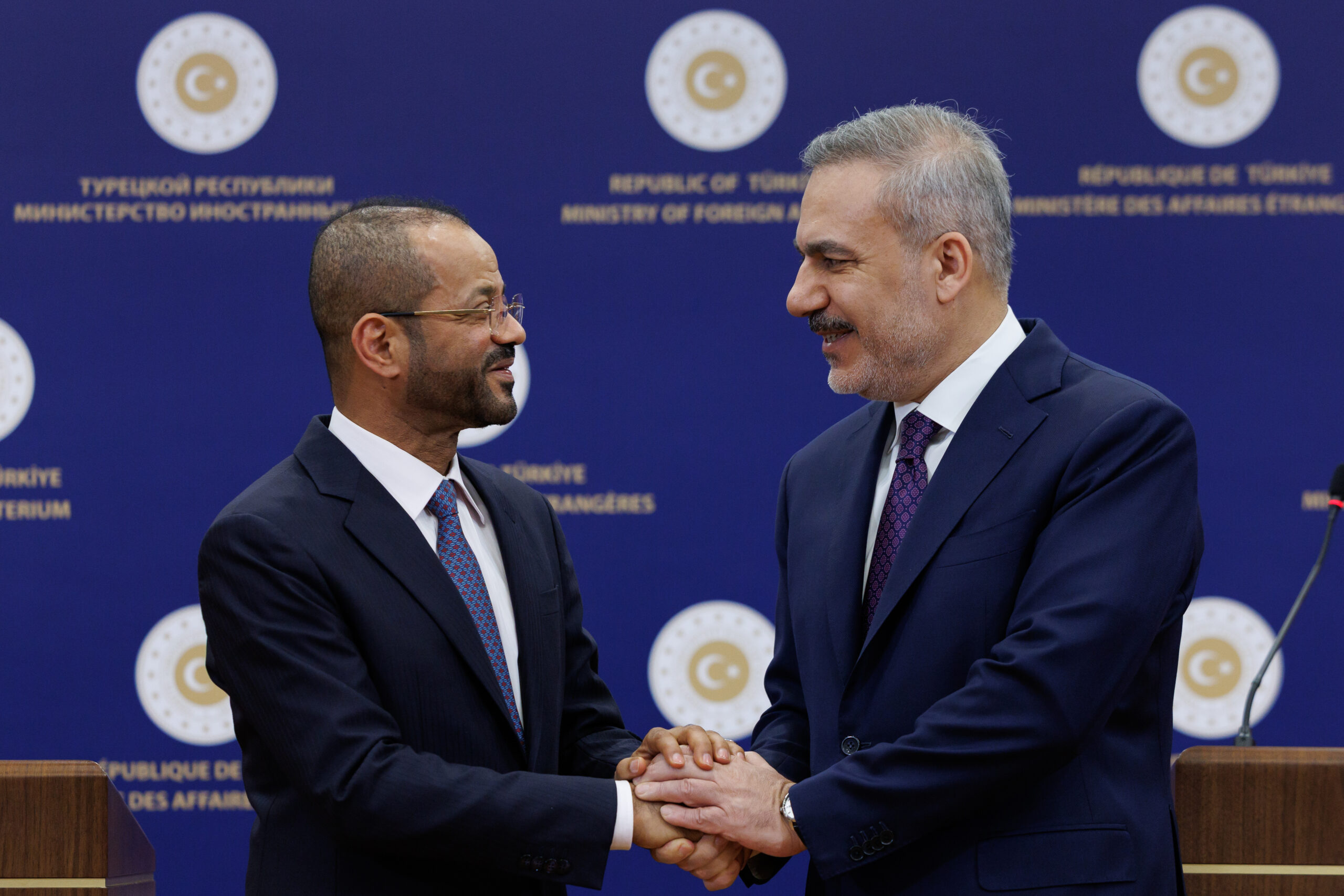
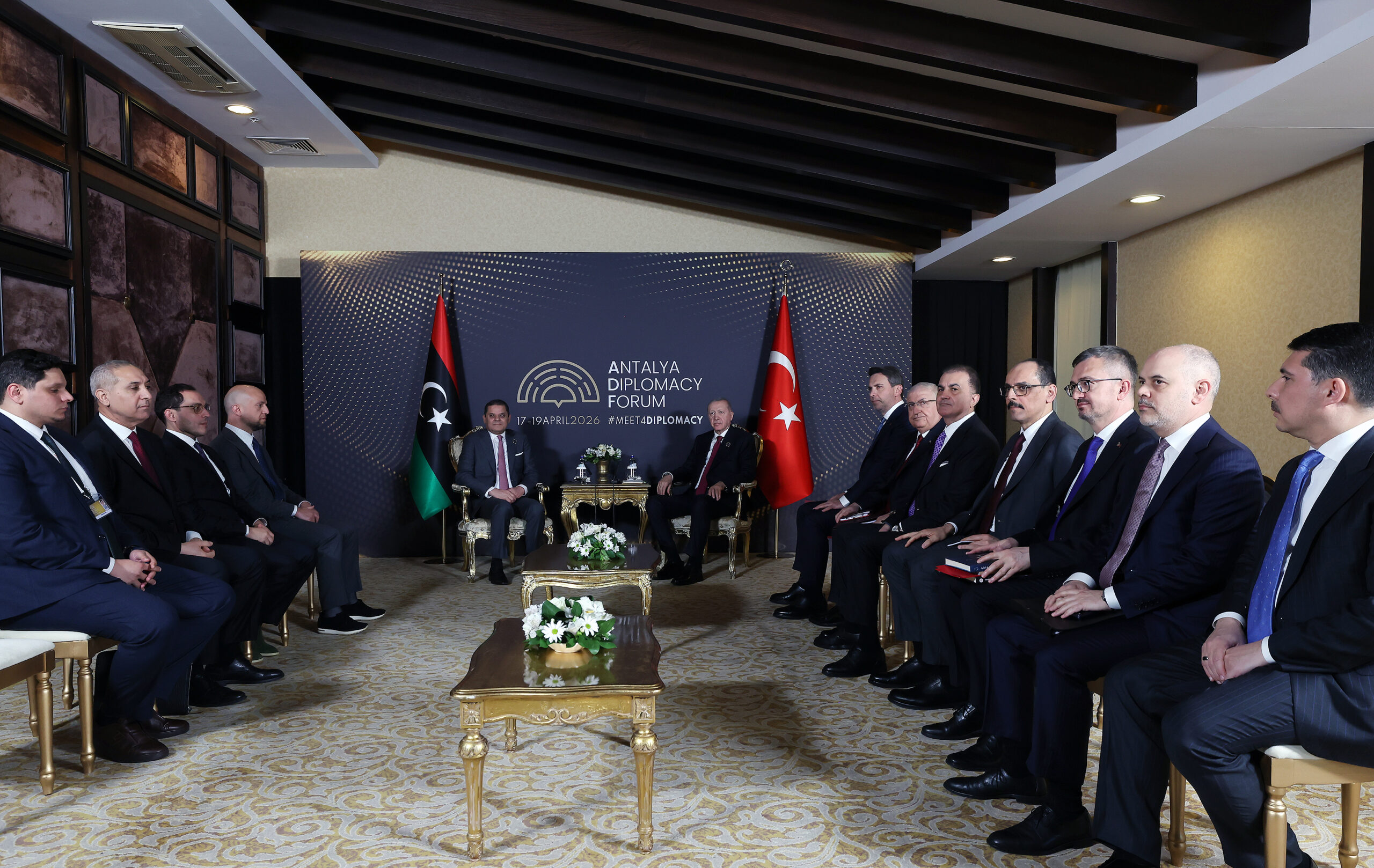
Following the fall of the Assad regime in Syria, relations among Türkiye, Jordan, and Syria have gained new momentum, with connectivity emerging as a central pillar of cooperation. The first trilateral meeting took place in May 2025 in Ankara, where the three countries emphasized Syria’s reconstruction and stability. The second major step came in April, when transport ministers from the three nations signed a memorandum in Amman, reflecting a shared commitment to regional development. The agreement aims to remove obstacles facing transport operators, expand trade cooperation, and promote regional economic growth.
Although the project remains in its early stages, additional steps are being taken toward its implementation. One significant example is the MoU signed between Türkiye and Saudi Arabia in June, which laid the foundation for expanding regional connectivity and supporting the revival of the railway.
Current status of the railway in Jordan
Despite these agreements, the condition of the railway varies significantly across the region. In Syria, years of conflict have left large parts of the railway inoperable, requiring extensive reconstruction before services can resume. Türkiye has already stated that it is prepared to support these reconstruction efforts.
In Jordan, however, the situation is different. The railway was preserved by the state-owned Jordan-Hejaz Railway Corporation, established following the dissolution of the Ottoman railway administration. The corporation continues to preserve and operate parts of the historic railway. It recently carried out maintenance works on the tracks to ensure operational safety, and limited services currently operate between Amman’s Palace Station and Al-Jizah Station, covering a seven-hour round trip. As a result, the railway has remained focus of continued state investment, with continuous efforts dedicated to preserving this important historical infrastructure.
Jordan-Syria relations
After years of strained relations, Jordanian-Syrian ties have improved substantially following the overthrow of the Assad regime. The two countries share a vested interest in security and stability, and continue to face common security challenges that require closer cooperation and coordination. Beyond security concerns, Jordan and Syria have also shown growing interest in strengthening transportation, trade, and border cooperation, with several initiatives already underway. The reopening and renovation of the Jaber-Nasib border crossing is one example. In addition, Jordanian authorities announced plans last year to launch tourist train services to Damascus via the Hejaz Railway once reconstruction on the Syrian side is completed.
The ministerial meetings of the Jordanian-Syrian Higher Coordination Council have also reflected this new momentum. During a joint press conference in Amman in April, Syrian Foreign Minister Asaad al-Shaibani announced plans to revive the Hejaz Railway. Both sides emphasized that shared infrastructure would serve as a cornerstone for the next phase of bilateral cooperation, guided by a common institutional vision aimed at transforming relations into a sustainable strategic partnership.
This momentum continued in June, when Jordanian Foreign Minister Ayman Safadi led a ministerial delegation to Syria. The two sides discussed transportation, economic integration, trade, water, energy, and several other sectors, ultimately signing nine memorandums of understanding. Both governments also underlined the importance of maintaining continuous institutional communication. The reopening of the railway would further deepen Jordan’s strategic partnership with Syria.
Benefits for Jordan
The revival of the Hejaz Railway presents Jordan with opportunities that extend beyond the transportation sector. Jordan’s strategic geographic location makes it well-positioned to serve as a regional transit and logistics hub. Extending the railway north to Türkiye and south toward Saudi Arabia could enhance Jordan’s role in regional trade by facilitating the movement of goods across multiple markets. For example, it could support Jordan’s agricultural sector by opening faster and more reliable export routes, while promoting tourism through easier cross-border travel. In addition, the project could create opportunities for greater border security cooperation and the exchange of technical expertise among the participating countries.
Jordan’s only coastal city, Aqaba, is also expected to gain greater strategic significance. The railway could increase Aqaba’s value by linking Red Sea maritime routes to overland corridors running through the region. The Port of Aqaba could therefore become an even more important strategic asset, strengthening Jordan’s position within regional supply chains while creating new opportunities across multiple sectors. During the recent trilateral discussions, Turkish Transport and Infrastructure Minister Abdulkadir Uraloğlu described Aqaba as a potential “land-sea bridge.” Combined together, these factors could significantly strengthen Jordan’s role within emerging regional connectivity networks.
Beyond these economic opportunities, the project could also enhance Jordan’s geopolitical relevance. As regional actors increasingly prioritize connectivity and economic integration, Jordan has the potential to serve as a bridge between Türkiye, Syria, and the Gulf states. Although challenges remain, including border security, financing, and the reconstruction of infrastructure, the railway could reinforce Jordan’s broader objective of leveraging its geographic position to become a more influential regional transportation and trade hub.
Ultimately, the railway alone is unlikely to transform Jordan’s economy. Its strategic value will depend on whether the participating countries can move beyond symbolic commitments and establish secure border crossings, sustainable financing, and integrated transport networks. Therefore, the success of the initiative will be measured not by the restoration of railway tracks, but by its ability to create functioning trade routes and reliable links between the partners involved. For Jordan, this would turn a historic symbol into a modern instrument of economic opportunity, regional relevance, and strategic connectivity.