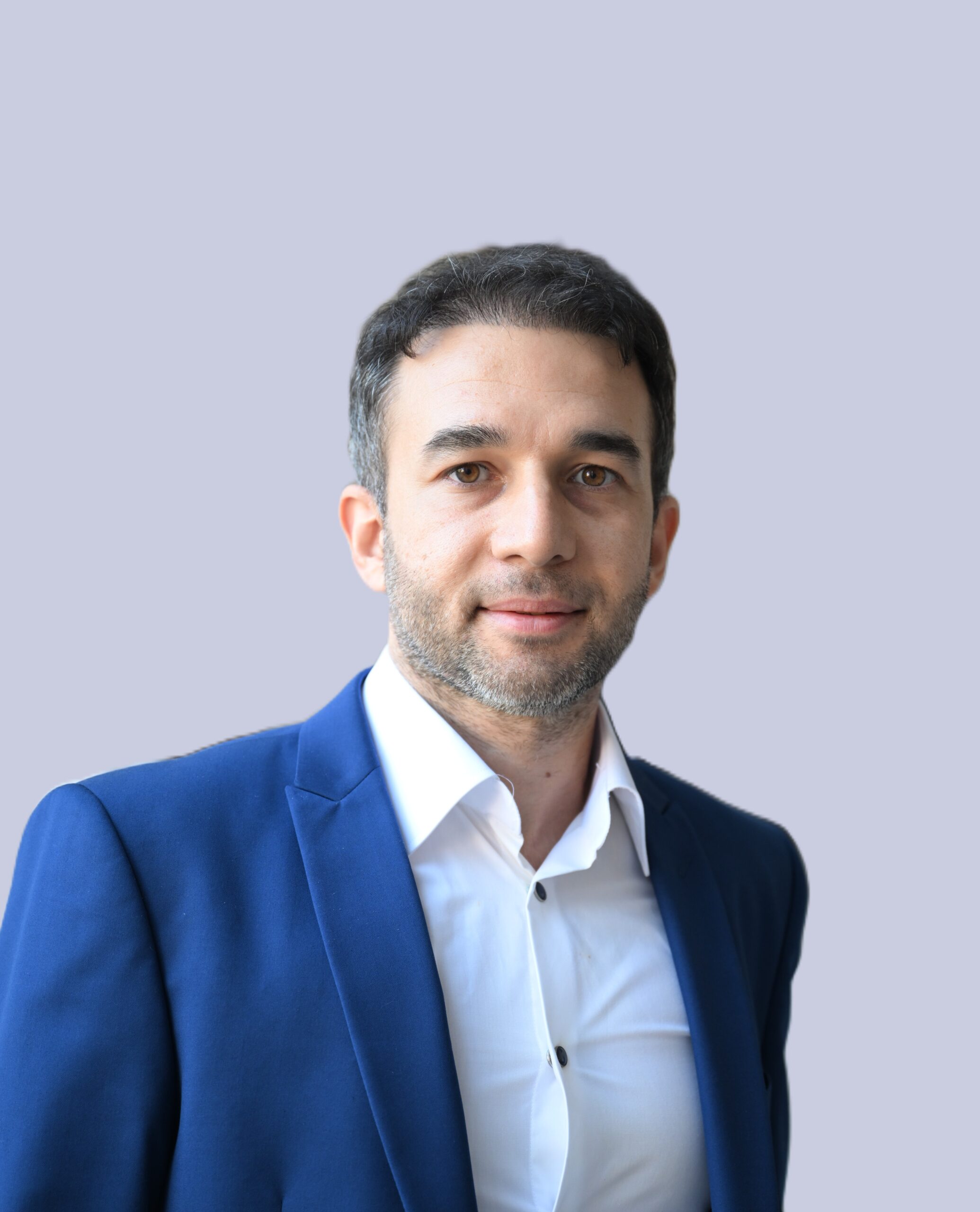
The European Union (EU) announced the creation of the Directorate-General for the Middle East, North Africa and the Gulf (DG-MENA) on Feb. 1, with a staff of 500, aiming to enhance cooperation on economic development, security, energy, and migration. Headed by Stefano Sannino, a seasoned Italian diplomat who has led the European External Action Service (EEAC) since 2021, this new organization is seen as a strategic move by the bloc aimed at shaping the geopolitical and economic dynamics in its immediate region. On his first day of assignment, Sannino posted on his X, formerly known as Twitter, account, ” “The Middle East, North Africa and the Gulf are regions of vital importance for the European Union. We want to mobilize the full power of the European Commission to take relations with these regions to a new level. The future of our societies is inextricably linked.” The aims and timing of this move, which is part of the European Commission’s strategy to deepen ties with countries in the Southern and Eastern Mediterranean and the Gulf, which are of critical importance for the bloc, are also clues to the trajectory of international politics.
What is DG-MENA?
This new institution, which emerged as part of the restructuring of the EEAC in line with the EU’s Strategic Compass adopted in March 2022, will report directly to Dubravka Suica, the EU Commission’s commissioner for the Mediterranean. Another directorate established on the same day as DG-MENA is the Directorate-General for Enlargement and Eastern Neighborhood (DG-ENEST). The European Commission justifies this reorganization by stating that each region has its own needs and demands and that it is therefore easier for the EU to develop individual policies addressing these regions. Immediately after the establishment of the Directorate-General, Suica traveled to Rome to meet with Italian Prime Minister Giorgia Meloni and initiated negotiations on a draft “Mediterranean Pact” between the countries of the southern Mediterranean and the EU. It is noteworthy that Meloni emphasized the need to attach particular importance to energy cooperation and stated that this initiative of the commission should be combined with the Mattei Plan, which she herself raised in 2023. Named after Enrico Mattei (1906-1962), the founder of Italy’s national oil company ENI, the plan aims to strengthen cooperation between the African continent and Italy in the fields of energy, economy, and migration, increase Italy’s influence in Africa and ensure Europe’s energy supply security. Emphasizing that DG-MENA’s mission is to build long-term and comprehensive partnerships with Mediterranean countries, Suica said the new Directorate-General will prioritize energy security, investment, economic development, infrastructure, transport, security, migration and employment, and will initially hold consultations with Tunisia, Egypt, and Jordan.
Why does EU need DG MENA-GCC?
The new institution focuses on three wide regions — North Africa, the Middle East, and the Gulf — each with distinct characteristics, and aims to “enhance shared prosperity and resilience”, as Brussels puts it, by utilizing the technical and financial capabilities of the EU. The main reasons for the bloc to create this new structure can be addressed under several headings:
Economic Cooperation and Energy Security: The Middle East, North Africa, and the Gulf regions are important energy suppliers for the EU. It is known that the sanctions imposed by the EU against Russia, especially after Russia’s war of aggression against Ukraine in February 2022 and the consequent failure of the Nord Stream pipeline, led the bloc to seek alternatives to diversify its energy supply. Countries within the scope of the DG-MENA are seen by the EU as critical partners in both oil, gas, and renewable energy. The need for more institutionalized and coordinated relations with these regions was one of the key factors behind the creation of the new organization.
Pressure of Irregular Migration: The Middle East and North Africa are the most important sources of migration to the EU and transit regions, considering migration from Sub-Saharan Africa.). Political instability, economic crises, and climate change in these regions have led to continued irregular migration waves to the European continent. This has fueled increasingly negative public opinion toward migration in the EU. The main discourses of rising populist political movements are also based on anti-immigrant sentiments. There is therefore a growing need for the EU to build stronger partnerships with countries in the region to prevent and/or manage migration waves. The newly established Directorate-General aims to function as a mechanism to make the migration policies of the EU countries more effective. Considering that the population of sub-Saharan Africa, which currently accounts for 13%of the world’s population, will double by 2050 —if current demographic trends continue— and even reach 4 billion by 2100, representing 36%of the world’s population, the mere anti-migrant policing measures will not be sufficient unless fundamental issues such as instability and development problems in countries that are the source of migration are addressed.
Regional Security and Counterterrorism: Security threats in the MENA region directly affects the EU’s security. Instability in Syria, Lebanon, Libya, and Yemen, together with drug trafficking and terrorism, pose potential risks for Europe. In order to contribute more effectively to the fight against illicit actors, including terrorist organizations, the EU needs new structures that focus on these regions.
Competing with Rising Powers: In recent years, non-Western players, especially China, have increased their presence in North Africa, the Middle East and the Gulf region. China’s economic ties with the regional countries in the context of the Belt and Road Initiative (BRI) and its intensifying diplomatic initiatives in the region, as well as Russia’s military and diplomatic presence in Syria, Libya, and the Sahara region — even though its influence there has diminished with the fall of the Baathist regime — are seen as a challenge to the EU. By focusing more on these regions, the EU seeks to play a balancing role against the influence of China and Russia. In addition, other rising powers in Asia, notably India, have begun to develop strategies towards the Gulf and the Middle East, while the EU needs mechanisms to coordinate its initiatives in the region with this country, which it does not see as a rival and even hopes to balance China.
Importance of timing
The timing of the restructuring of the EEAS in 2025 and the establishment of DG-MENA is based on several critical reasons:
The Protracted Effects of the Ukrainian War: As mentioned above, the Russia-Ukraine war that started in 2022 caused the EU to reshape its security, energy, and foreign policy strategies. As the EU reduced its energy dependence on Russia, it had to turn alternative energy sources in the Middle East and North Africa. While the course of the war in Ukraine is uncertain, the EU remains committed to taking lasting steps on energy security with EU-Russia relations are not expected to improve in the near term.
The Effects of Syria and the Palestinian Question: The re-emergence of the Palestinian conflict after October 2023 and the crisis in Syria entering a new phase in the last weeks of 2024 compel the EU to become more involved in conflict/reconciliation processes in the region. EU countries aim to have more influence in the international arena by more closely following the conflicts whose direct and indirect consequences concern them.
Trump’s Presidency: Inaugurated on Jan. 20, Donald J. Trump’s foreign policy line gives the impression that the priorities of the U.S. have changed and that the country will develop a foreign policy increasingly focused on securing North America. The prospect of the U.S. facing serious problems with its European allies in the Trump era creates an incentive for the EU to play a more active role in its region. Washington’s waning interest in the security and stability of MENA is pushing the EU to protect its own security and economic interests more directly.
This new institution, which is meant to once again emphasize the regions that the EU will primarily focus on, is likely to have both global and regional consequences. The EU, which has traditionally pursued a foreign policy based on soft power elements and economic instruments, is striving to adopt a more strategic, coordinated and effective foreign policy as the global system undergoes a significant transformation. While it is unlikely that the bloc will directly and jointly intervene in the political and military crises in the region with hard power instruments, it increasingly feels the need to assert its position as a global actor by strengthening and diversifying its economic and diplomatic instruments. The EU intends to conclude broader trade, energy and security agreements not only with North African and Middle Eastern countries across the Mediterranean Sea, but especially with members of the Gulf Cooperation Council (GCC). Economic and defense cooperation with countries such as Saudi Arabia, the United Arab Emirates (UAE) and Qatar reflects the EU’s desire to put its feet more firmly on the ground in its immediate neighborhood. Of course, the EU’s growing interest in the Middle East and North Africa could also create new opportunities and challenges in relations with Türkiye. Given Türkiye’s influence in the region, DG-MENA’s activities have the potential to stimulate both cooperation and competition between Brussels and Ankara.
In conclusion, what we are actually facing is another of the “southern” openings, similar to those we seen before in the long history of the EU. It is difficult to say that previous attempts have been very successful. The first initiative that comes to mind in this context is the Union for the Mediterranean (UfM), which French President Nicolas Sarkozy proposed in 2007 (and at one point even tried to present as an alternative to Türkiye’s EU membership). These initiatives and similar ones were announced with great expectations but lost their impact over time. The establishment of a foreign policy directorate-general focused on North Africa and the Gulf region is presented as a similar strategic move. Theoretically, it is clear that issues such as energy security, economic cooperation, migration management, and regional stability have become increasingly important for the EU and that bloc countries need to address these issues more effectively. Indeed, the Strategic Compass aimed to shape the EU’s security and defense policies in MENA, taking into account the instabilities and security threats in the region. It is difficult to be certain that this new structure will actually strengthen the EU as a global actor. Differences in interests and priorities among EU member states and the slowness of EU decision-making processes have the potential to be major obstacles to this initiative, as they have been in the past. There will certainly be plenty of opportunities in the region in 2025 to test on a case-by-case basis whether the EU is taking a truly strategic step or whether this initiative is merely adding another element to an already complex EU organizational chart.