Thirteen people died and 71 were injured, including Iraqi Turkmen Front (ITF) Vice President Ali Haşim Muhtaroğlu and the former vice governor of Selahaddin province, Ahmet Koca, in bomb attacks that took place on June 25 in Tuz Khurmato, a city in Iraq’s Selahaddin province.
Attacks that took place a few days earlier on June 22 were carried out by two suicide bombers who managed to infiltrate the demonstrations that were happening to protest yet another attack in Tuz Khurmato, one of the most heavily Turkmen-populated cities of Iraq. The time and place of these attacks clearly show that the main target group was the Turkmens.
For the past two years, Tuz Khurmato has been the scene of bombings. Moreover, from the start of this year these attacks have intensified. Between November of last year and January of this year, there have been five serious acts of violence that have led to hundreds of deaths and the destruction of hundreds of properties — in particular, an attack by two bomb-laden vehicles in the Cakkale neighborhood in the early hours of Dec. 17 of last year and an attack on Jan. 23 during a funeral.
The attack on Jan. 23, which took place at the well-attended funeral of Ahmet Salah Asker — who worked in the Tuz Khurmato Health Department and was Muhtaroğlu’s brother-in-law — obviously targeted the Turkmen population. Along with Muhtaroğlu, among those attending the funeral were notable Turkmens such as Koca, Kirkuk’s chairman of the district council, Münir Kafili, and district council member Sami Kolsuz, former Iraqi Turkmen Front (ITF) Chairman Sadettin Ergeç, ITF Selahaddin Provincial Chairman Haydar Kasapoğlu and well-known author and poet Mehmet Mehdi Beyat.
Muhtaroğlu, Koca, Kafili and Ergeç were injured in the attack, while Beyat and other important figures died.
On June 22, when two bomb-laden vehicles simultaneously exploded in the Turkmen districts of Aksu and Cakkale, one person died and 29 were injured. After these attacks, Turkmens blocked the Tuz Khurmato highway on the Kirkuk-Baghdad road and set up a protest tent. During the demonstrations, which lasted three days, the Turkmens demanded government protection to prevent the Iraqi Turkmen population from being annihilated.
During these days of protests several Turkmens received threatening letters and were forced to leave Tuz Khurmato out of fear for their lives. However, these letters in fact prompted an increase in participation in the demonstrations in Tuz Khurmato. However, the Turkmens’ democratic demands for their rights met another bloody assault. And thus on June 25, Muhtaroğlu, who continuously battled for Turkmen rights in Tuz Khurmato, lost his life.
Before the 1970s Tuz Khurmato was a city in Kirkuk province, and in 1976 it became a city in Selahaddin province. Its current population is about 150,000 and the majority is Turkmen.
Tuz Khurmato, where Arabs and Kurds lived together, accepted an influx of Kurds after 2003 from Kirkuk in particular. However, Tuz Khurmato is a Turkmen place with its historical, cultural, social and political characteristics. Thus, it has become a place of importance for the Turkmen population in Iraq. Perhaps the most influential political association of Turkmens in Iraq, the ITF, has its most important provincial organization in Selahaddin, with its center in Tuz Khurmato.
The provincial office of the ITF was established in Selahaddin by Muhtaroğlu, and it has been politically active since 2003. At the time, Beyat, who hails from Tuz Khurmato, became very active in Iraqi politics. Some important Turkmens such as Youth and Sports Minister Casim Muhammed Cafer, Fevzi Ekrem Terzi and Feryad Tuzlu have supported the Turkmen resistance in Iraq; the attacks against Turkmens have continued for years.
On April 20, Turkmens participated in the provincial council elections under a single list to prove the strength of Turkmens in Tuz Khurmato. Although they failed to achieve success in the elections, the fact that Turkmens united together caused upset to other parties who wanted to destroy the Turkmens, and so the attacks continued.
It was the last attack on June 25 that killed Muhtaroğlu. After his death, all Turkmen parties came together to hold a press conference at the ITF’s headquarters in Kirkuk. At this conference, the chairman of the ITF, Arshad al-Salihi, stated that they had decided to go on strike on behalf of the Turkmens, and that all Turkmen citizens should also go on strike. Salihi said the Turkmen public had demanded protection from the central government many times in the past and highlighted that international powers should not remain unresponsive to this latest massacre. And even though the Iraqi government has remained silent, the public will not keep its silence because what is behind the attacks organized against the Turkmens in Tuz Khurmato runs deep. So, the spread of the Turkmen massacre to other regions is inevitable. Therefore, some measure by the Iraqi government of providing protection for Turkmens is essential — as soon as possible.
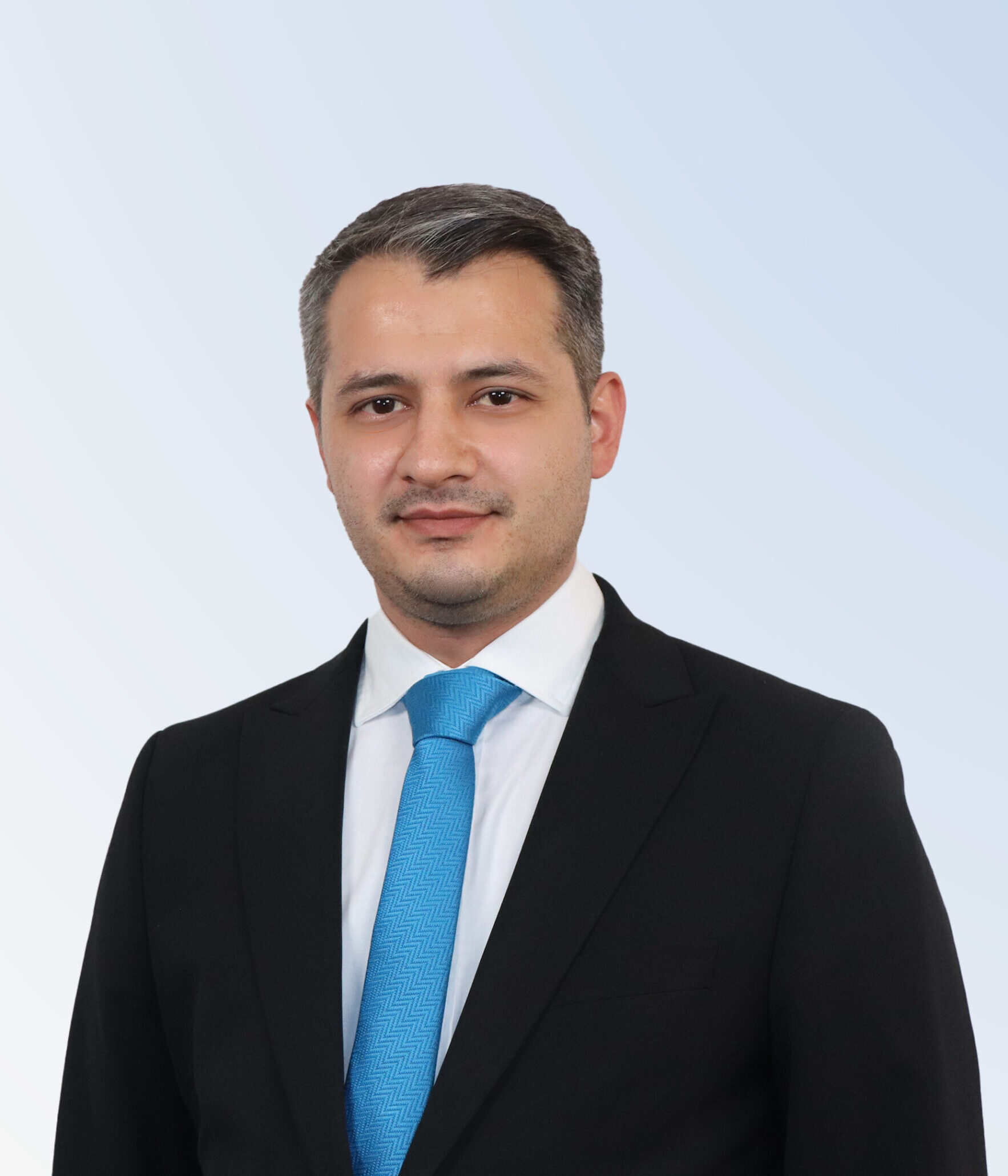
Who was Ali Haşim Muhtaroğlu?
Muhtaroğlu, 48 years old when he was killed, began to take part in the Iraqi Turkmen Front in 2003. He became chairman of the Selahaddin provincial office and formed the organizational structure of the ITF. Tuz Khurmato, one of the main centers of the ITF, was transformed into a key center for the Iraqi Turkmen population by Muhtaroğlu. After an attack at the tomb of Imam Murtaza on Aug. 22, 2003, the Turkmens held demonstrations in Tuz Khurmato. Muhtaroğlu participated in these demonstrations and was injured while protesting. On Jan. 30, 2009, he was elected as a member of the Selahaddin Provincial Assembly. He had been the vice president of the ITF since 2011.