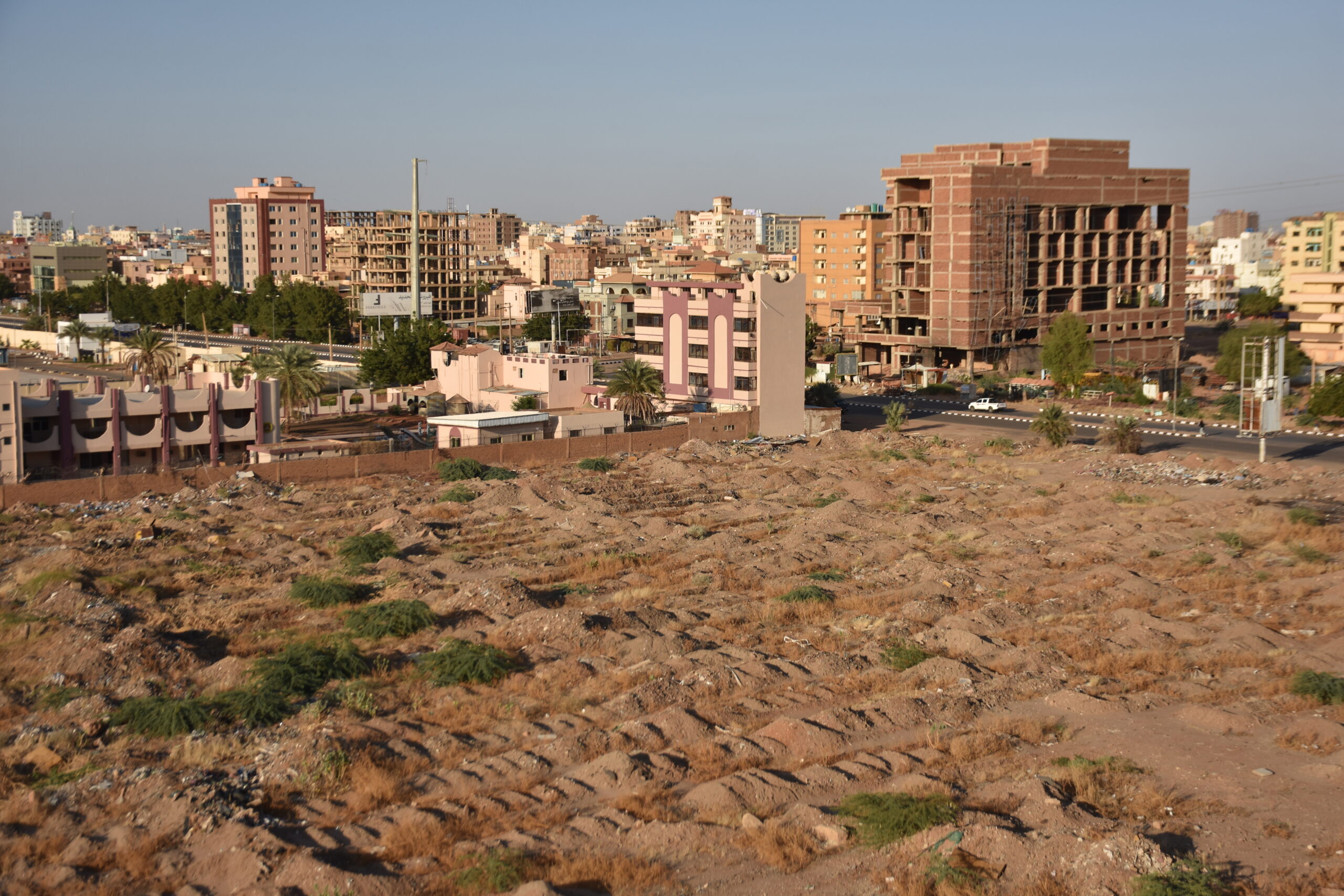
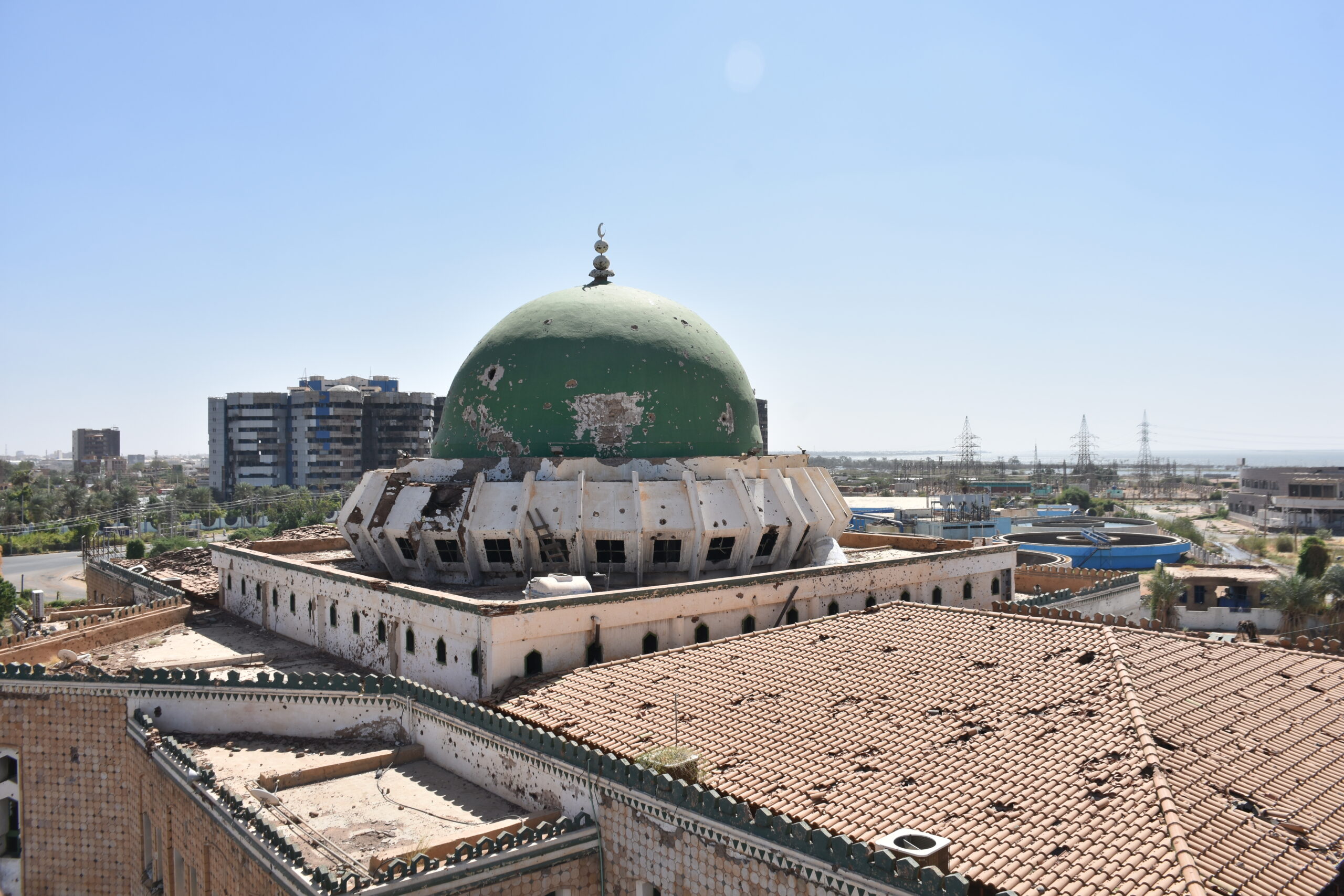
The near-complete recapture of Sudan’s capital, Khartoum, by the Sudanese Armed Forces (SAF) marks a significant turning point in the war that has ravaged the country for almost two years. The chaos that erupted in April 2023, following the Rapid Support Forces’ (RSF) sudden and effective assault on the capital, allowed the RSF to legitimize its presence there for an extended period. However, as of March 2025, the army’s reclamation of the Presidential Palace, Khartoum International Airport, and several key strategic locations in the city center has altered both the geographical and psychological boundaries of the conflict.
This development is not only a military victory but also a declaration of political superiority. For the army, regaining control of Khartoum strengthens its claim to legitimacy on the international stage, while for the RSF, it marks the reversal of its greatest gain since the war began. The key issue, however, is not merely the army’s dominance over the capital, but whether this development paves the way for peace in Sudan or pushes the country toward deeper, more prolonged fragmentation.
Psychological center of the war: The meaning of Khartoum
Capitals in wartime are not only strategic centers but also symbols of political and psychological dominance. In Sudan’s case, Khartoum embodies state authority. It hosts the Presidential Palace, government buildings, diplomatic missions, and the offices of international organizations. The RSF’s partial capture of Khartoum in 2023 created a perception — among both Sudanese citizens and international actors — that the army was weak and disorganized. The current situation, however, is quite the opposite. By reclaiming Khartoum, the army has declared that “the state has not collapsed” and that authority has not been ceded to the RSF. This is a critical signal for international stakeholders, as peace initiatives often hinge not just on territorial control but on which actor is seen as the legitimate representative of the state. The loss of Khartoum has significantly curtailed the RSF’s diplomatic leverage.
Still, despite the army’s significant victory in the capital, it is far too early to consider this the end of the war. The RSF continues to maintain a presence in the southern parts of Khartoum and still controls large swaths of territory in western Sudan, particularly in Darfur, where it holds four of the five states. Since the conflict began, the RSF’s strength has relied less on conventional military capabilities and more on asymmetric warfare tactics and local militia networks. A militarily weakened RSF in Khartoum could further entrench its dominance in Darfur, effectively transforming the conflict into a two-front war. This raises the possibility of Sudan becoming a de facto divided state, a scenario reinforced by the parallel government the RSF recently established in Kenya. Thus, while the army’s control of Khartoum marks a critical rupture, the continued RSF dominance in Darfur will be the key test of whether this victory is lasting.
Will external actors reassess their strategies?
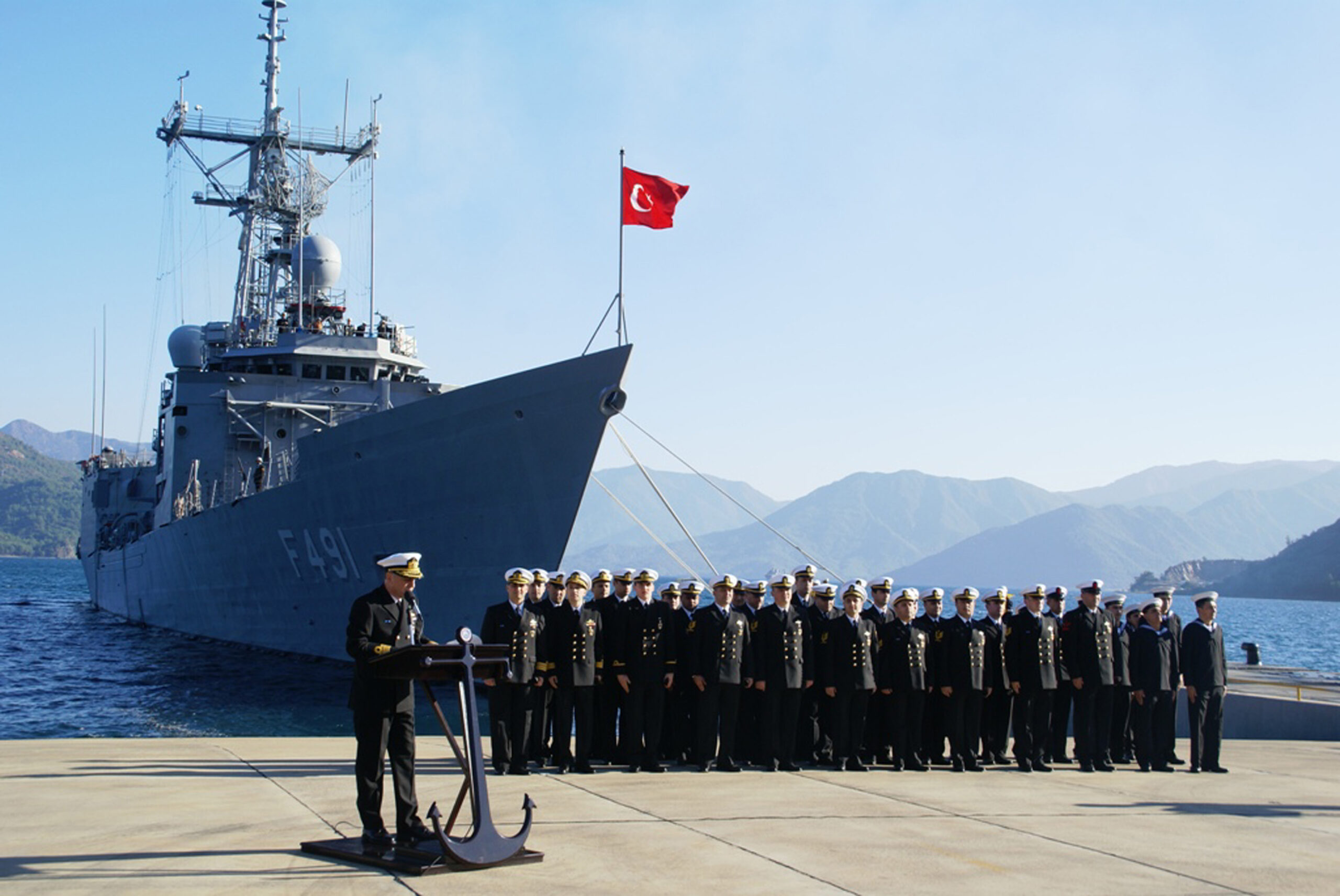
The developments in Khartoum will also prompt external actors to reevaluate their positions. For countries like Egypt and Saudi Arabia, which have leaned toward supporting the army, this victory validates their backing. Egypt, in particular, has played a pivotal role through military training programs and contributions that facilitated the effective deployment of Turkish-made drones, enhancing the SAF’s air capabilities and shaping the war’s trajectory.
On the other hand, for the United Arab Emirates (UAE), a covert supporter of the RSF, the loss of Khartoum narrows Abu Dhabi’s sphere of influence in Sudan. While the RSF continues to fund its war economy through gold mines, its position in terms of international legitimacy has weakened. This shift requires a recalibration of strategy for both the UAE and the RSF.
The U.S. and European nations, meanwhile, may try to leverage this development as an opportunity to bring the warring parties back to the negotiating table. However, past experiences show that mutual trust between the factions is nearly nonexistent and that ceasefires often fail to hold. Therefore, support for peace initiatives centered around Türkiye will be crucial, as they could help align Western actors with Sudanese stakeholders and improve coordination.
Is peace possible — or is deeper division looming?
The army’s recapture of Khartoum clearly signals a shift in military momentum in its favor. However, this does not mean the elimination of the RSF. On the contrary, the RSF remains strong in the western regions and retains popular support in certain areas. This leaves Sudan with two primary scenarios for the future:
- The parties continue the war, resulting in a long-term or even permanent division of the country.
- Or, under international pressure, they return to the negotiating table and establish a temporary framework for compromise.
The first scenario risks turning Sudan into a fragmented state with parallel governments, similar to Libya. The second scenario is only viable if foreign intervention is limited, the flow of arms is halted, and local populations increase their pressure for peace.
In conclusion, the army’s recapture of Khartoum marks a critical threshold in Sudan’s war. While it has shifted the balance of power on the ground and bolstered the army’s diplomatic standing, the war’s multi-centered nature, the RSF’s territorial advantages, and its foreign backing suggest that a lasting peace remains a distant goal. Sudan once again finds itself caught in the paradox of a “capital reclaimed, but country unchanged.” True victory will not be the reclaiming of Khartoum — but the reclaiming of peace. In this war where two bears are dancing, it is the bears who will decide when the dance ends.