The Turkmens have been an integral part of Iraq for centuries. During the Ottoman era and throughout modern Iraqi history, they have played strategic roles politically, culturally and economically. Under Ottoman rule, they held key positions in high-level bureaucracy and military administration. In modern Iraq, they have been indispensable actors in state institutions, education, trade and cultural life. However, over the past two decades, political upheavals, security crises, demographic pressures, sectarian divisions and institutional weaknesses have posed serious threats to the integrity of Turkmen identity. In this context, the concept of identity erosion refers not only to the loss of cultural values, but also to the weakening of national consciousness and political cohesion. Although this erosion varies by region, it has manifested in different ways particularly in the provinces of Tal Afar, Mosul, Erbil and Salahaddin.
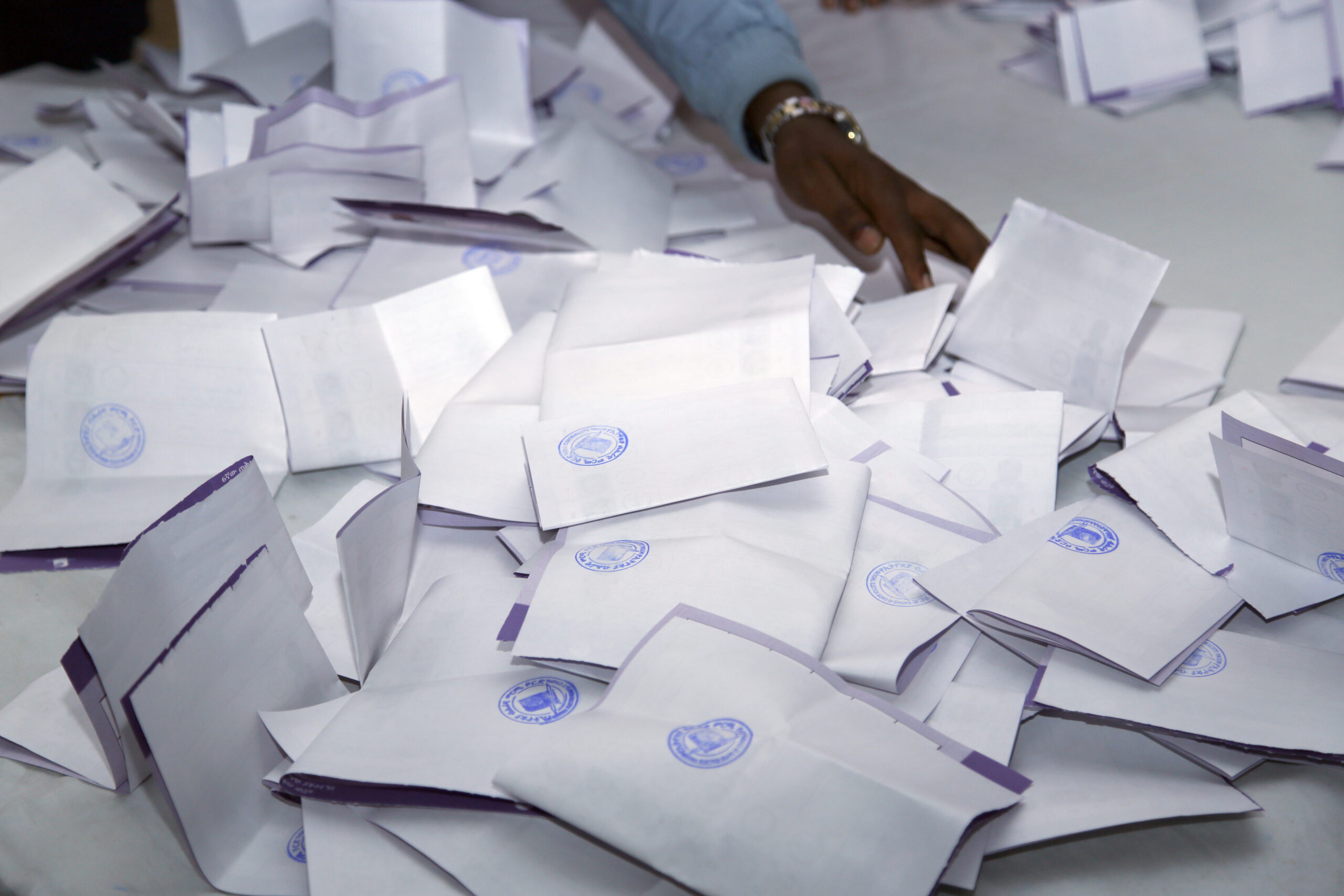
Before the Iraqi parliamentary elections scheduled for Nov. 11, 2025, the Center for Middle Eastern Studies (ORSAM) conducted field research in Iraq’s Nineveh province. As part of this research, direct contact was established with various segments of Nineveh’s population. Observations were made and ideas exchanged with academics, researchers, journalists, members of parliament, parliamentary candidates and representatives of various political groups regarding the election process and the overall situation in the province ahead of the vote. In this context, the fieldwork also identified the influences affecting Turkmen identity in the province.
Fault lines of identity in Tal Afar
With a population of around 500,000, Tal Afar is not only the largest district in Iraq but also the main population center for Turkmens. Once a sanjak, an administrative division, during the Ottoman era, the city has long been regarded as a stronghold of Turkmen identity due to both its strategic location and social fabric. For centuries, Turkmens in Tal Afar were able to preserve their cultural, linguistic and social cohesion. Turkmen identity served as a unifying element that often took precedence over other affiliations. However, the U.S. invasion of Iraq in 2003 deeply disrupted the region’s social balance. The weakening of central authority and the resulting security vacuum turned Tal Afar into the area where sectarian division among Turkmens was most intensely felt. The occupation by the terrorist group DAESH from 2014 to 2017 forced many residents to flee. In addition, part of the Turkmen population organized under the Popular Mobilization Forces (PMF), also known as Hashd al-Shaabi, integrating with militia groups heavily influenced by Iran.
This situation has led to a sense of alienation among Tal Afar Turkmens who once attended the same schools, traded in the same markets and participated in the same national events. Some Turkmens from Tal Afar have migrated to Mosul, Erbil or Türkiye. Others have moved to Karbala, Najaf and Baghdad, altering the district’s demographic balance. The vacuum left behind by this migration allowed Arabs forcibly relocated to Tal Afar by the PMF to settle permanently in certain neighborhoods. As a result, a unified Turkmen political movement has also weakened. The erosion of social cohesion and the diminishing ability to unite around shared goals have prevented the formation of a strong and effective system of representation. The socio-cultural consequences of identity erosion in Tal Afar are also impossible to ignore. Among the younger generation in particular, the use of Turkmen Turkish is declining, while Arabic is becoming the dominant language in daily life. Shared cultural rituals — such as religious holidays and traditional Turkmen weddings — are now either celebrated separately or see significantly reduced participation due to growing divisions.
In terms of security, the presence of the PMF stands out as both a stabilizing and controlling force in the city. However, this control has also led to an increase in pro-Iranian ideological influence, contributing to further erosion in the perception of national identity.
Silent loss of identity in historic province of Mosul
During the Ottoman era, Mosul was one of the empire’s most important provinces. The city held a central position not only in military and administrative terms but also economically and culturally. Turkmens are known as the second-largest ethnic group in the city after Arabs. They played significant roles in trade, crafts, education and the bureaucracy. However, throughout the 20th century — particularly during the Baath regime in the 1970s — Arabization policies weakened the Turkmen presence in Mosul both numerically and culturally. In the 1990s, the rise of the Kurdish political movement in the region brought attempts at Kurdification, especially in the northern districts of Mosul. During this period, some Turkmens, due to administrative pressure, forced resettlement policies and economic reasons, changed their identity and integrated into either the Arab or Kurdish populations.
Since 2003, Mosul has experienced one of Iraq’s most complex security situations. During DAESH’s occupation in 2014, Turkmens were subjected to mass displacement due to the group’s pressure. Many displaced Turkmens sought protection under the PMF in southern Iraqi provinces. This period brought political activity among Mosul’s Turkmens to a near halt. Although some returns have taken place in the post-DAESH period, many Turkmen families have been unable to go back due to administrative and other challenges. Those who did return have faced serious security and property issues. The local governance arrangements established after DAESH have not provided adequate political representation for Turkmens. Their representation in the provincial council has remained low, often reducing them to a balancing factor between Arab and Kurdish blocs rather than a strong political force.
Culturally, Turkmens in Mosul continue to be influenced heavily by Arab identity. Only a small portion of Turkmens still embrace their Turkmen identity and culture. While Turkmen Turkish is partially preserved in rural neighborhoods, it has largely been forgotten in the city center. National holidays, cultural events and representatives of Turkmen literature attract little interest, especially among younger generations. This represents not only a loss of language but also an erasure of social memory.
Another dimension of the erosion of Turkmen identity in Mosul is political fragmentation. Some Turkmens prefer to align with Arab political lists, while others ally with Kurdish lists. This situation not only prevents the formation of a unified, nationally based political movement but also significantly weakens the Turkmens’ bargaining power in Iraq’s broader political landscape.
Mutual problems, future risks
The identity erosion in Tal Afar and Mosul stems from similar structural problems. Sectarian divisions prevent national identity from becoming a common ground. At the same time, political and institutional weaknesses hinder the formation of a centralized representation mechanism. Arabization, Kurdification and migration have caused both a quantitative and qualitative decline in the Turkmen population.From a security perspective, the DAESH occupation, PMF control and the presence of other armed groups have made stability in Turkmen areas fragile. Culturally, language loss, a decline in cultural activities and the socio-cultural changes brought by urbanization are accelerating the erosion of national consciousness among younger generations. The reversal of this process is only possible through holistic and long-term policies.
First and foremost, the Turkmen political movement must develop an inclusive and unifying discourse that transcends sectarian differences and brings the shared national identity back to the forefront. Implementing language, history and culture-focused educational programs across all Turkmen regions — especially in Tal Afar and Mosul — will be a critical step in passing on identity awareness to younger generations. Additionally, the Iraqi Turkmen Front (ITF) and other Turkmen organizations should adopt innovative and inclusive policies that can unite different ideological and sectarian tendencies while expanding their social base. Establishing political and cultural cooperation channels among the Tal Afar, Mosul, Erbil and Salahaddin provinces will strengthen regional solidarity and help prevent further erosion of Turkmen identity.
Although the Iraqi Turkmen identity is rooted in a strong historical foundation, it is undergoing a deep erosion process, especially in Tal Afar and Mosul. Preventing this decline requires not only the preservation of cultural values but also strengthening political unity, security balances and institutional capacity. Otherwise, Turkmens in these regions risk losing both their political influence and cultural presence in the long term.