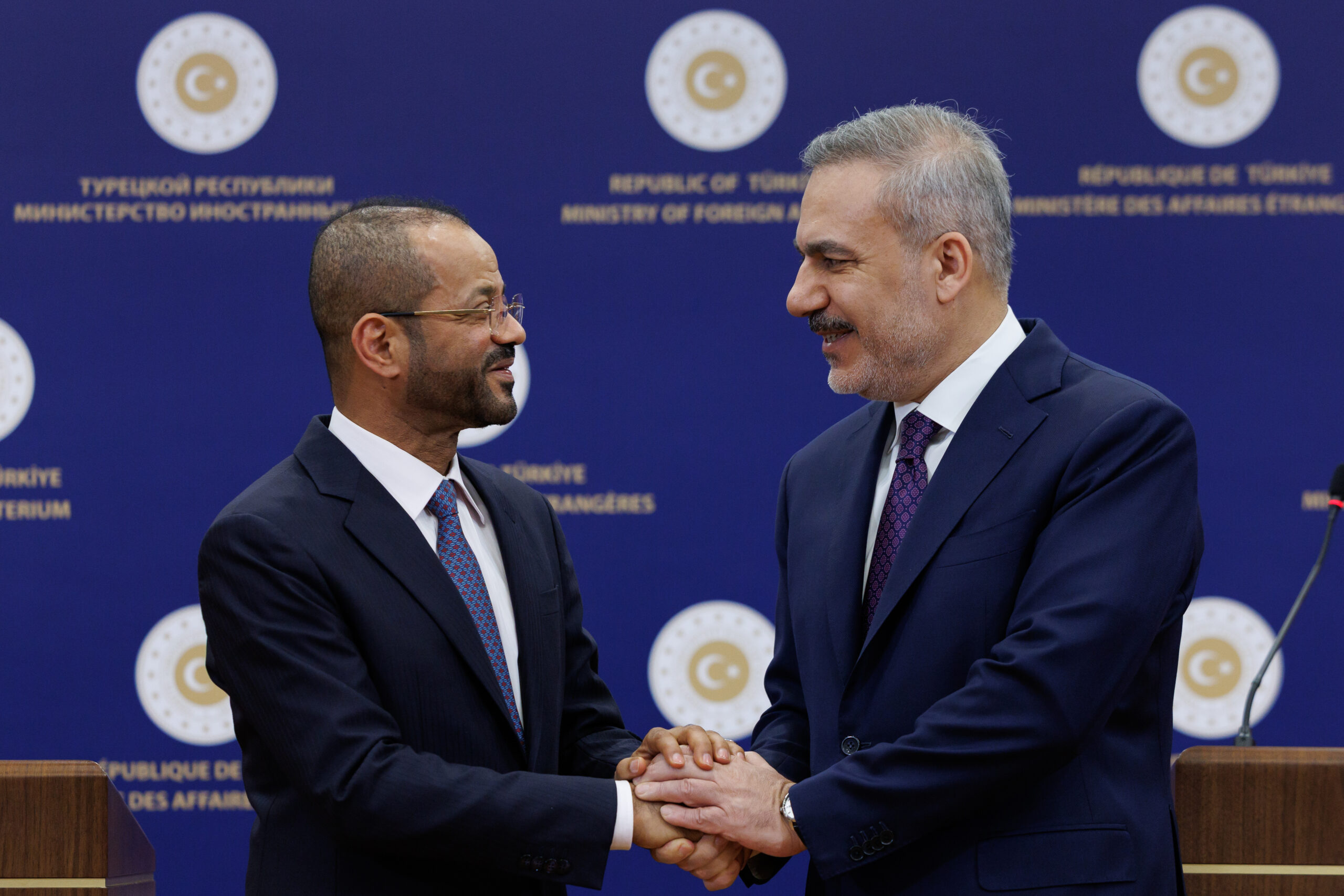
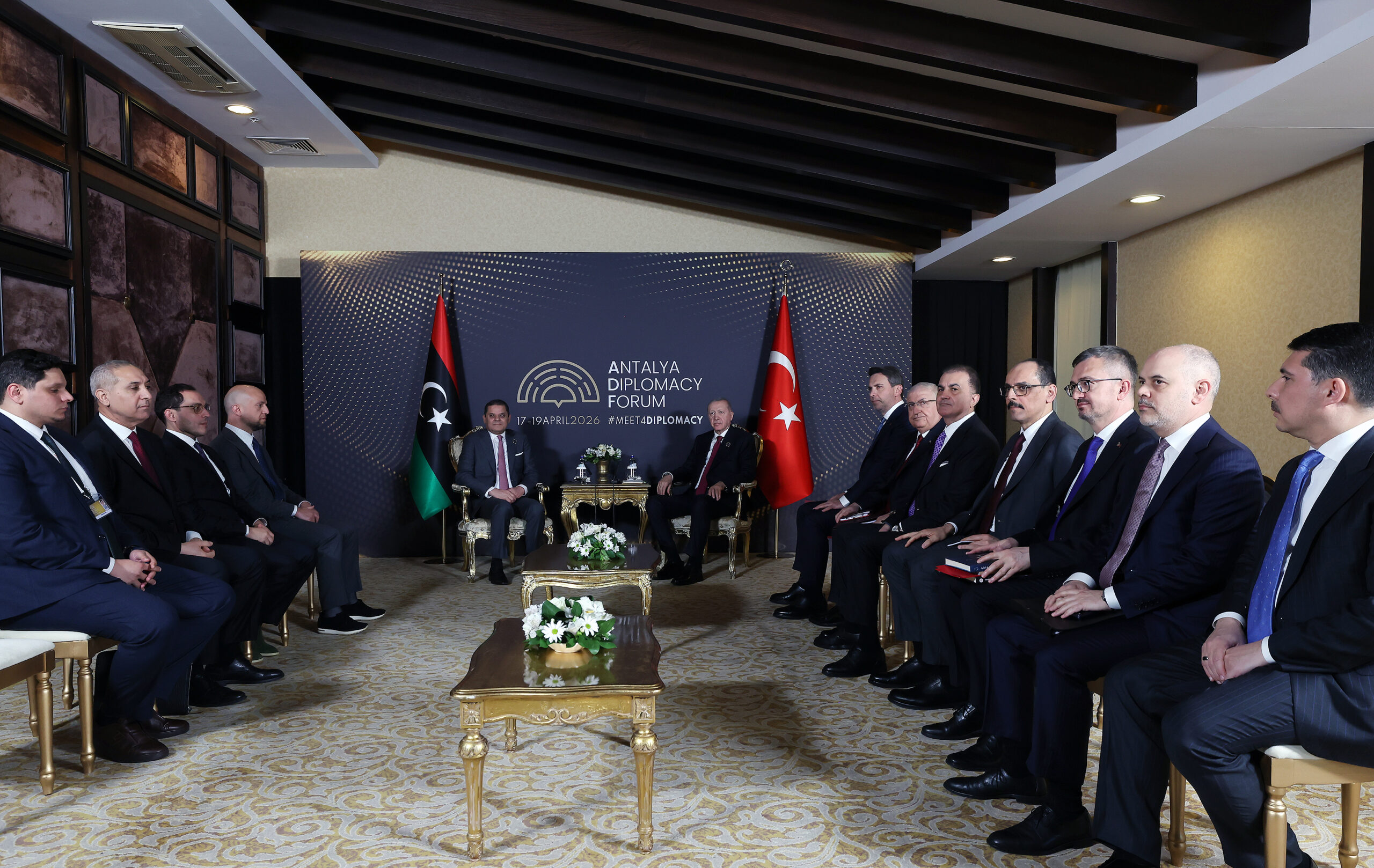
Foreign Minister Ahmet Davutoğlu has paid his first visit to the Iraqi capital, Baghdad, in four years, meeting with central Iraqi government officials and important political figures. Davutoğlu's official visit, which included an extensive program of meetings, signals the importance Turkey attaches to restoring its relations with Iraq.
The talks held with Iraqi Shiite figures, and the particular importance placed on Shiite rituals in the month of Muharram, were particularly notable.
We should analyze this visit through the following categories:
The Syrian issue: The deadlock in Syria has reached a point that is damaging for both Turkey and Iraq. But after the outbreak of the conflict in Syria, the West decreased its support for Turkey, and the country has become isolated in its Syrian policy. The fact that the opposition has grown weaker against Bashar al-Assad, and radical groups such as al-Qaeda have grown stronger, worries Turkey and Iraq. While Turkey's Syrian policy has been interrupted in political terms, Iraq, which seemed to take sides with Assad's administration and received open support from Iran in this regard, has been put in a difficult position. Therefore, it appeared that seeking regional reconciliation before the Geneva II conference might help to solve the problem in Syria.
The al-Qaeda threat: Al-Qaeda and groups linked to the terrorist organization have the upper hand within the opposition against Assad in Syria and have become almost the only fighting group. Opposition groups such as the Free Syrian Army (FSA) ganging up against the Assad regime, along with a loss in their grassroots support, have paved the way for al-Qaeda's growing strength. The development of al-Qaeda and al-Qaeda-linked groups in Syria has started to damage Iraq as well. The security situation in Iraq has become very unstable in the past three months. Similarly, al-Qaeda also poses a threat to the security of Turkey. Hence, taking a joint position on terrorism has become essential for both countries. Al-Qaeda poses a common threat to Turkey, Iraq and Iran. Therefore, it is possible that Iran will lean towards an improvement of relations between Turkey and Iraq. Similarly, it is likely that the US will support the same purpose.
Developments in Iraq's domestic politics: Relations between Turkey and Iraq, which became fragile following Iraq's parliamentary elections on March 7, 2010, have reached an even more fragile point due to instability in the Iraqi government and the good relations between Turkey and groups opposing Nouri al-Maliki. When Iraqi Vice President Tariq al-Hashimi, accused of terrorism, took shelter in Turkey, relations between Turkey and Iraq were on the verge of collapse. The fact that the Maliki government began to exert pressure on Sunnis exacerbated the instability of Iraqi domestic politics. Anti-government demonstrations continue to take place in Sunni-dominated provinces. It was agreed to hold general elections in Iraq on April 30, 2014, during this process.
As Iraq entered the election process, Maliki felt the need to calm domestic politics. Therefore, an agreement was signed between Iraq's Kurdistan Regional Government (KRG) and the central Iraqi government in June 2013 to settle the problems between the two parties. For that reason, it was important for Iraq's domestic stability to receive the support of Sunnis in the following period. From this point of view, the fact that Turkey, which has good relations with Sunni groups, played a role in integrating Sunnis into the Iraqi political process, as it did in 2005, could provide an advantage to Maliki. Thus, it will be in Maliki's interest to restore good relations with Turkey.
Turkey's energy and trade interests: More than 1,800 Turkish companies have invested in Iraq. While the majority of those companies operate in provinces controlled by the KRG, there are also Turkish companies which invest largely in southern Iraq. These companies encountered difficulties as relations between Turkey and Iraq worsened. In fact, some Turkish companies' licenses were revoked. Improving relations with the central Iraqi government could pave the way for more Turkish companies to operate in the country and might also create energy opportunities for Turkey.
The triangle of Turkey, the central Iraqi government and the KRG: Turkey attaches importance to maintaining the balance between these parties. While developing relations with the central Iraqi government, in contrast with its former policy, Turkey also tries to maintain good relations with the KRG. As a matter of fact, Turkish Prime Minister Recep Tayyip Erdoğan will meet with KRG President Massoud Barzani on Nov. 16. This meeting between the two figures is very important in terms of the Kurdish movement in the region. With this meeting, it is implied that relations between Turkey and the KRG will continue in the same manner. Turkey's improving relations with both the KRG and the central Iraqi government could pave the way for Turkey to act as a mediator between the two.