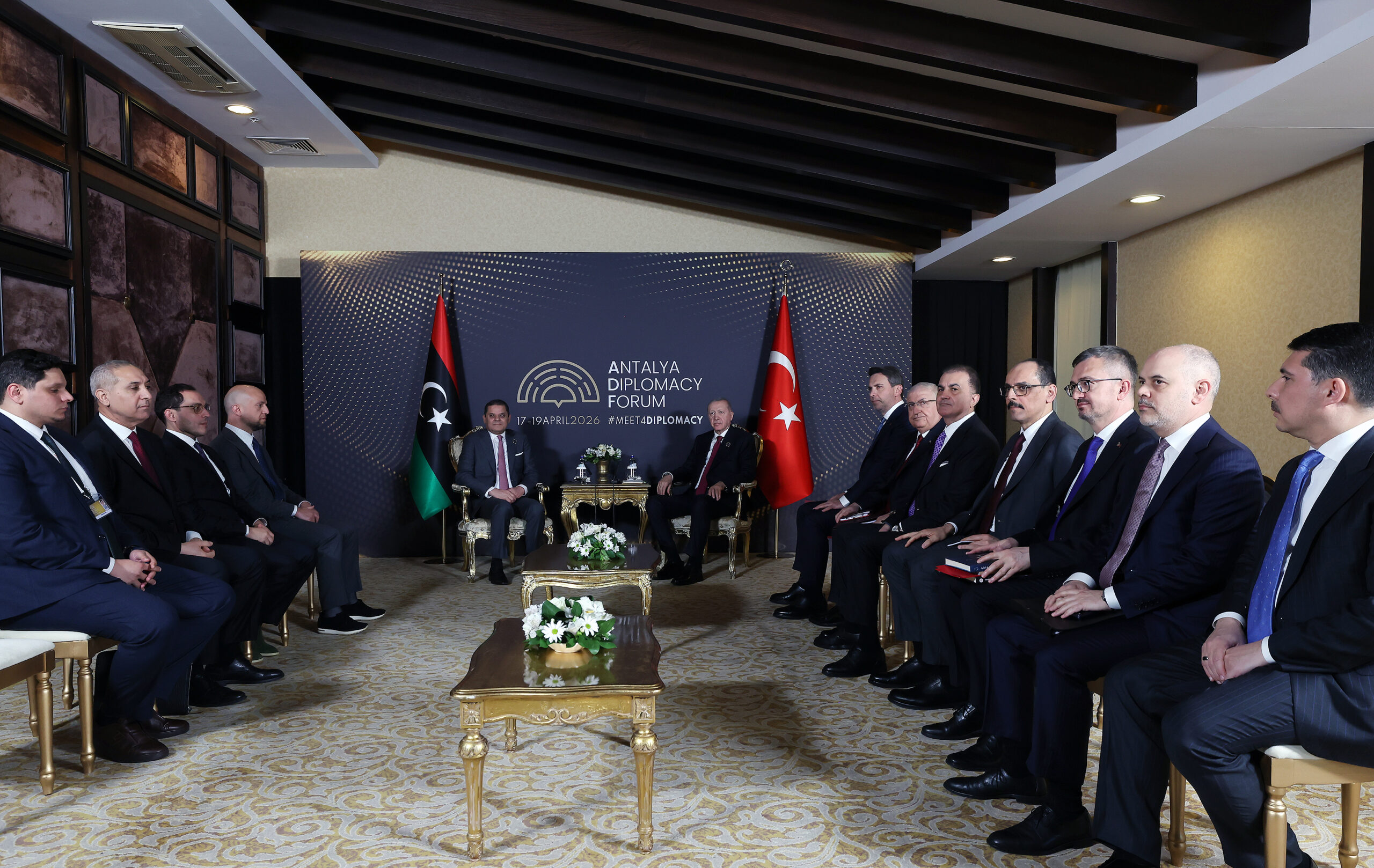
Turkish President Recep Tayyip Erdoğan’s visits to Saudi Arabia and Egypt carry significance that goes beyond bilateral relations. Rising U.S.-Iran tensions, the emergence of regional micro-alliances such as Türkiye-Saudi Arabia-Pakistan, and competition over energy resources are all taking shape as elements of the regional power balance. The fact that the visits came at a time when this balance is being formed amid growing strains makes them particularly meaningful. By assuming a constructive and guiding role rather than remaining confined to crisis areas, Türkiye is shaping a power equilibrium that could pave the way for regional stability and enable it to act as a founding force in its immediate neighborhood and an effective actor on a global scale. In this context, President Erdoğan’s summit diplomacy takes on added significance.
Türkiye-Egypt relations have an impact that extends beyond the borders of both countries, shaped by historical ties as well as the current global and regional context. Crises, proposed solutions, and potential areas of cooperation along the geopolitical and geoeconomic corridor stretching from the Middle East to the Eastern Mediterranean and Africa are being shaped within the framework of Türkiye-Egypt relations. The two countries’ positive agenda not only produces mutual gains but also makes a significant contribution to stability across this broad geography. This dynamic can be observed in multiple cases where the two countries’ paths intersect, namely Palestine/Gaza, Libya, the Eastern Mediterranean and Sudan, each of which represents both a regional crisis and a potential area for cooperation. Of course, Türkiye and Egypt are not the only actors capable of influencing developments in these regions. However, there is a notable correlation between regional instability and the interests of both countries based on their respective positions in these crisis areas. Strategic divergence between Türkiye and Egypt, often driven by factors beyond their own preferences, creates space for instability and rival regional actors, while rapprochement and cooperation between the two translate into mutual gains and help de-escalate crises. This pattern becomes clear when comparing the period of estrangement between 2013 and 2021 with the positive agenda that has emerged since rapprochement began, and its reflections in the regional crisis areas outlined above.
After entering a renewed normalization process in 2020, Türkiye-Egypt relations began to deepen through a cooperation model centered on shared interests, both bilaterally and on regional issues. This trend was set in motion by President Erdoğan’s visit to Egypt on Feb. 15, 2024, and was institutionalized with Egyptian President Abdel Fattah el-Sissi’s visit to Türkiye on Sept. 4, 2024. The signing of 17 agreements and memorandums of understanding during that visit signaled the start of a new phase in bilateral relations.
Moreover, since that period, the Egyptian Armed Forces’ growing interest in Türkiye’s defense industry has indicated that the deepening of relations is expanding from political and commercial domains into the strategic sphere. Expectations that comprehensive projects in the defense industry and energy sectors will be on the agenda during today’s visit further suggest that this trend will continue.
Positive agenda amid regional crises
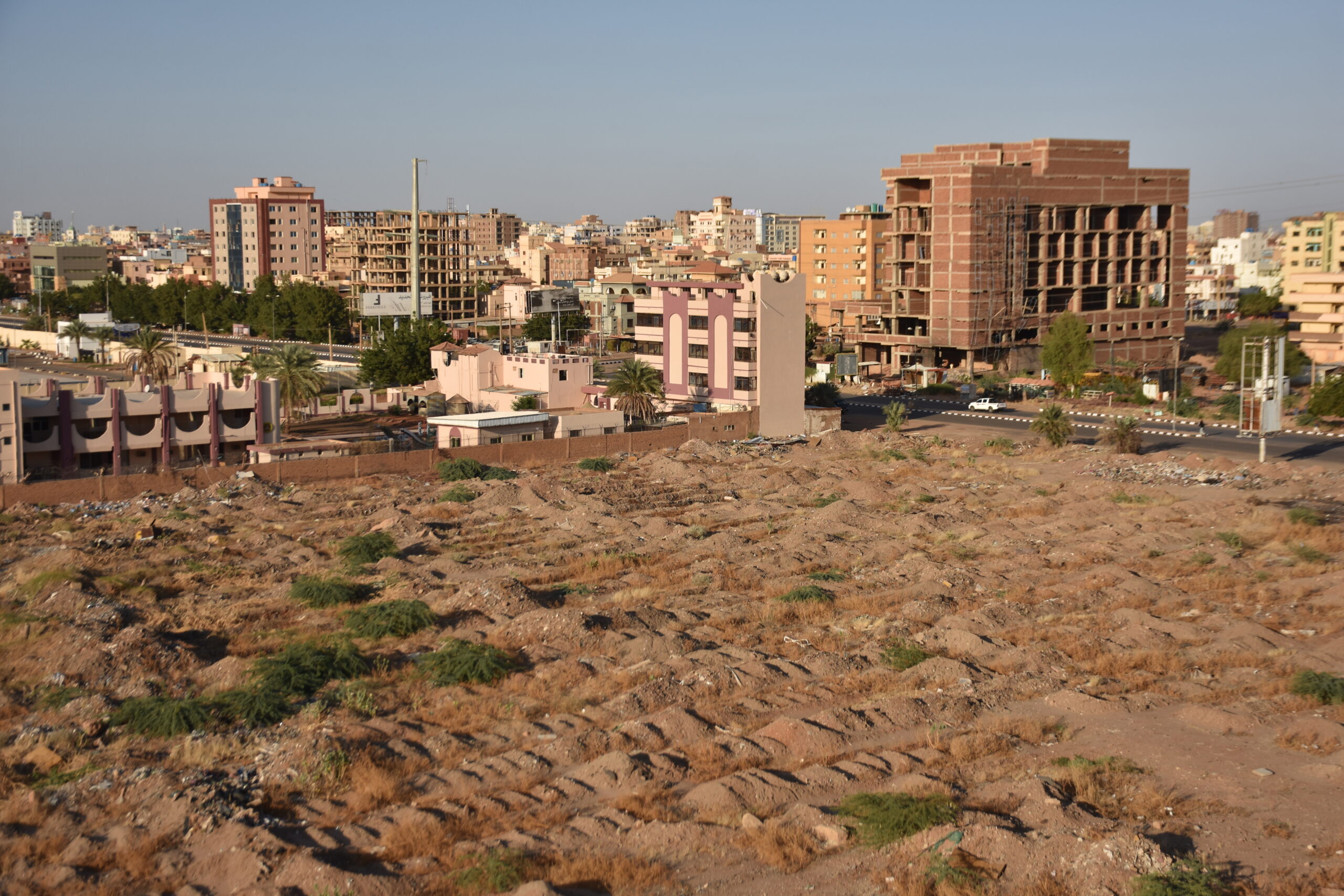
Differences in foreign policy decision-making processes and the distinct engagements undertaken by the two countries have also led to divergences on regional issues. As such, the cautious pace of relations despite normalization should be assessed within this context. However, the costs produced by strategic divergence, combined with the new regional equation triggered by Israeli aggression after Oct. 7, have served as a catalyst for Türkiye-Egypt rapprochement. It remains possible to speak of differences in approach between the two countries on many issues, but what matters most at this stage is the overlap of priorities and the handling of challenges through a strategic lens. Expecting full alignment on all issues would, in any case, be unrealistic given the nature of international relations. That said, it is undeniable that the convergence at the level of strategic assessment has begun to reflect itself in crisis areas. In this sense, while each case requires analysis within its own context, emerging trends in Libya, Sudan, Gaza, and the Eastern Mediterranean stand as concrete indicators. In Libya, consensus continues that ensuring stability rather than conflict represents the best scenario for the interests of both countries. A similar approach can be observed within the framework of the Sudan crisis. Moreover, cooperation on Gaza and the Eastern Mediterranean is clearly poised to have a decisive impact on regional stability and mutual gains.
Two key fronts: Gaza and the Eastern Mediterranean
Türkiye and Egypt’s shared position on Gaza, one of the most critical items on the agenda of President Erdoğan’s visit, is of major importance for the implementation of a peace plan and for constraining Israel. The two countries are well positioned to assume complementary roles in ensuring the sustainability of a ceasefire in Gaza, the reconstruction of the city, and, more broadly, the restructuring of Palestinian politics. Cooperation — which has emerged and must continue to do so — on maintaining the ceasefire, engaging in dialogue with Hamas, determining a technocratic government for Gaza, and carrying out reconstruction efforts carries the potential to shape Palestine’s future. The emergence of this synergy depends on addressing shared threats and shared gains within a strategic framework. The common understanding both countries hold regarding the root causes of the problem must be translated into concrete cooperation.
For Egypt, which views Palestine as a cause and has historically sought to reinforce its standing in the Arab world through the Palestinian issue, Palestine and Gaza represent far more than a rhetorical matter. At the same time, Israel’s attacks on Gaza after Oct. 7 have created strategic-level threats for Egypt. Some of these threats have become clearly visible, while many others remain potential in nature, and it is not possible for Egypt to neutralize them on its own. The emergence of a plan by the Donald Trump administration that included a ceasefire was made possible only by the formation of a shared political will. It is clear that Türkiye played an undeniable role in the emergence and maintenance of this will. It should not be forgotten that President Erdoğan, along with the leaders of the United States, Egypt and Qatar, signed the agreement concluded in Sharm el-Sheikh. Therefore, the continuation of the process that began with the ceasefire and is expected to extend to the comprehensive reconstruction of Gaza depends on the preservation of this emerging unity. Efforts to sideline Türkiye at any stage of the process are unlikely to succeed and could instead facilitate Israeli aggression and shift instruments that could generate collective benefit onto a cost-producing trajectory. It should be remembered that one dimension of this initiative is not the fulfillment of Israel’s demands, but the containment of its expansionism; another is the reconstruction of Gaza and Palestinian politics.
Another key issue in Türkiye-Egypt relations is undoubtedly the Eastern Mediterranean. Since the early 2000s, the discovery of hydrocarbon energy resources has added a new dimension to the geopolitical competition in the region, bringing geoeconomic rivalry into a more concrete realm. For neighboring Türkiye and Egypt, energy resources in the Eastern Mediterranean have been a point of contention for the past two decades. Yet, considering the energy needs of both countries, cooperation might have been expected to take precedence. Efforts such as the East Med Gas Forum, aimed at excluding Türkiye and expanding each member country’s influence over energy resources, have ultimately been unsuccessful in the face of Türkiye’s actions.
In the early 2000s, Egypt exported gas to Israel, Syria, and Jordan via the Arab Gas Pipeline, but after 2012 it became an importer. Considering that electricity generation also depends on natural gas, the importance of utilizing Eastern Mediterranean gas reserves becomes even clearer. To restore balance in its energy dependence, Egypt must put these reserves into use. Moreover, the fact that Egypt had to sign a $35 billion agreement with Israel in December 2025, even if only to meet short-term energy needs, highlights the country’s current level of energy dependence. This situation alone indicates that Egypt’s Eastern Mediterranean policy has fallen short in supplying the national economy and underscores the need for revision. Over the past fifteen years, engagements with Israel, Greece, and the Greek Cypriot administration will make this revision challenging. Yet, seeking ways to soften these engagements to establish meaningful and effective cooperation with Türkiye would facilitate the process.