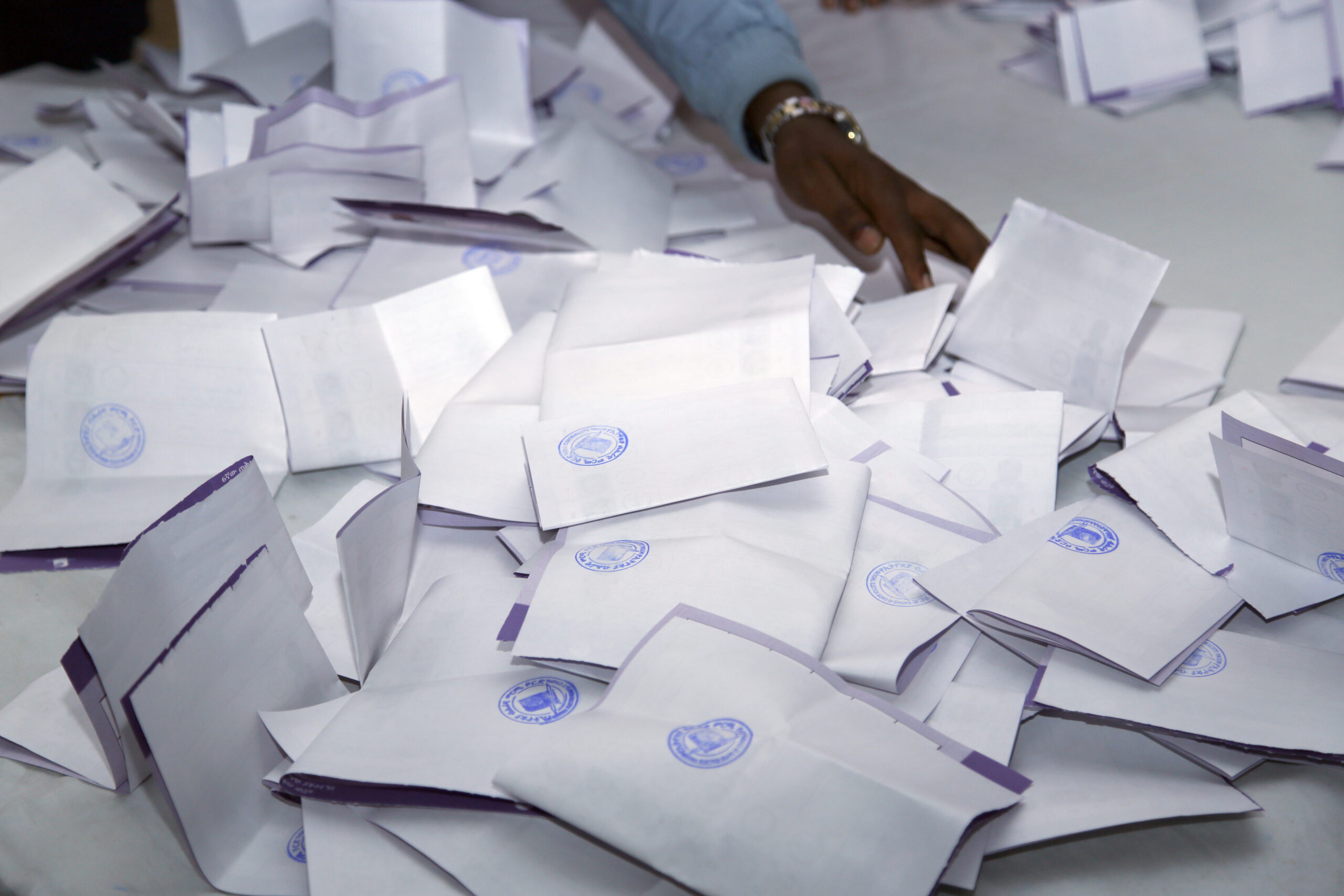
Ahead of Iraq’s parliamentary elections scheduled for Nov. 11, our visit to Mosul as part of Center for Middle Eastern Studies (ORSAM) offered a valuable opportunity to observe the city’s current political, economic, and social dynamics on the ground. As the most populous province after Baghdad, Mosul holds a pivotal role in shaping the outcome of the elections due to the number of parliamentary seats it commands. With its diverse mix of ethnic, sectarian, and political identities, the province represents one of Iraq’s most complex and competitive political arenas.
Mosul’s multilayered structure gives rise to shifting power dynamics at both the local and national levels during election periods. A wide range of forces can be observed on the ground — from rivalries among Sunni Arab groups to the influence of Shiite militias, from the Kurdistan Democratic Party (KDP)’s presence in rural areas to the new political trends shaped by the city’s economic revitalization. Under these circumstances, Mosul stands out not merely as a reflection of Iraq’s broader electoral process, but as a potentially pivotal center in shaping the country’s political future.
Meanwhile, shifts in regional dynamics following the events of Oct. 7, developments in Syria, and the ripple effects of the Iran-Israel conflict have all contributed to a tense and uneasy atmosphere across the country ahead of the elections. Against this backdrop, the question of whether the elections can actually be held has become a central concern for both political actors and the public. Despite the uncertainty, political parties continue to prepare for the vote.
Economic, social transformation
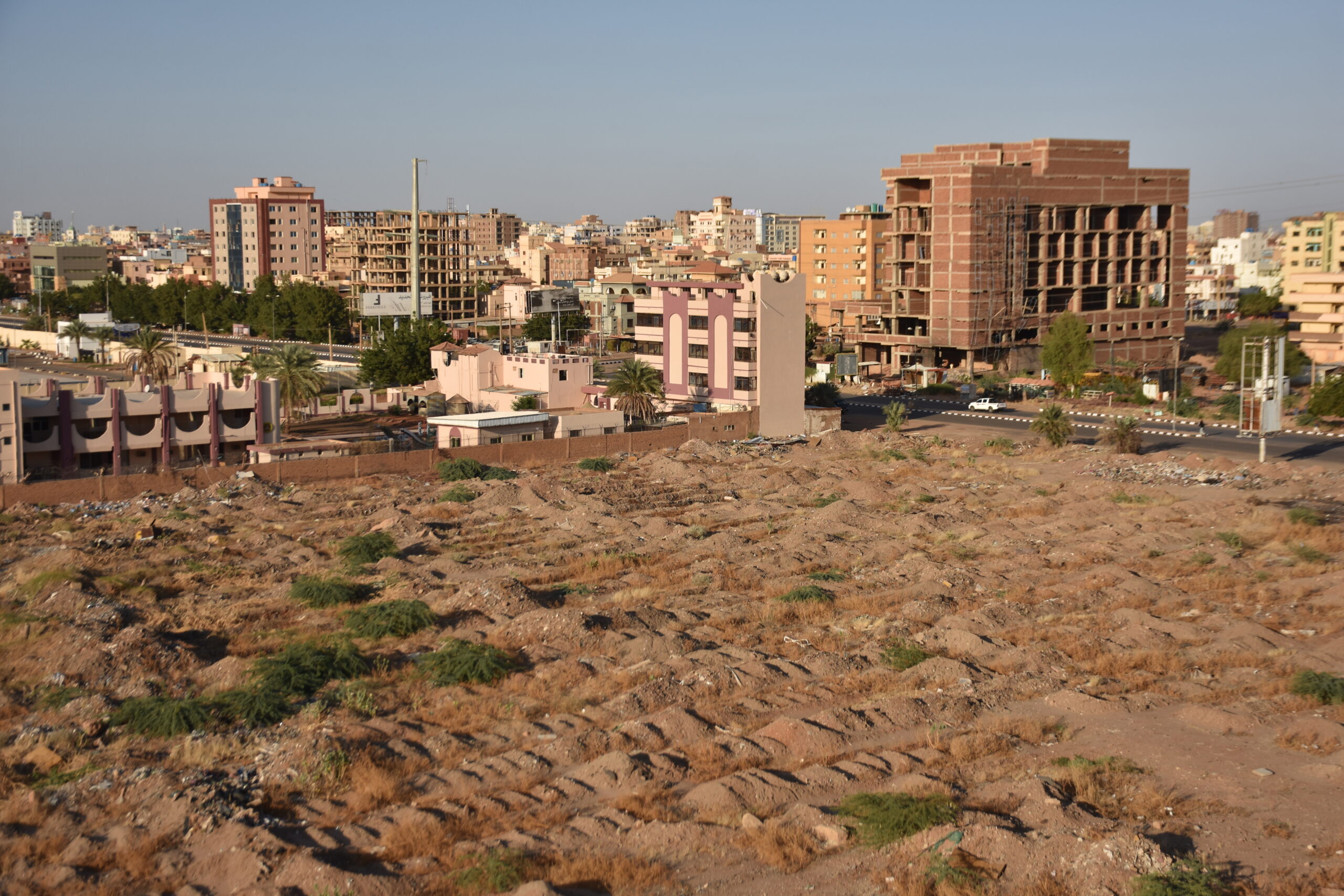
As I observed during several visits since 2020, Mosul stands out from many of Iraq’s southern provinces when it comes to social and economic investment. In the city center, it is common to hear residents say, “We’re in a better condition than those in Baghdad.” Locals report that problems with electricity supply have eased to some extent, with parts of central Mosul now receiving up to 18 to 20 hours of uninterrupted power each day.
New roads, newly built parks, and recently opened social venues have brought a noticeable vibrancy to Mosul’s appearance and daily life. Once deserted after dark due to security concerns, the city’s streets now remain lively well into the night. This shift has not only revitalized social life but also helped accelerate the local economy. Restaurants and cafes stay open late, keeping pace with the steady flow of people. Taxi drivers confirm the trend, saying they continue to pick up passengers as late as 2 a.m. While daily life appears to be returning to normal, numerous police checkpoints across the city help maintain a relative sense of security.
The visible development in Mosul’s city center is also reshaping the city’s migration dynamics. Many residents who fled to other provinces or countries during the DAESH threat are now choosing to return — not to surrounding districts, but directly to central Mosul. The main drivers of this return include greater job opportunities, higher expectations for quality of life, and a more stable security environment. However, this trend is unlikely to be sustainable for the city center in the long term. Thus, ensuring lasting security and launching investment projects in surrounding areas such as Tal Afar, Qaraqosh and Sinjar are crucial for fostering balanced and inclusive development across the broader Mosul region.
Local political competition
The relative rise in prosperity seen in Mosul in recent years has also brought some political figures to the forefront. Many residents credit former Governor Najm al-Jubouri with playing the most significant role in shaping the city’s current state. The current governor, Abdulqadir al-Dakhil, whom we had the opportunity to meet, is also prioritizing investment projects. In fact, the capital inflow into the city has shown continuity; during Jubouri’s tenure, effectively channeling these funds into the right projects helped establish him as a prominent political figure in Mosul. Dakhil, having inherited the office from Jubouri, appears determined to follow the same path and is unlikely to pass up the opportunity to become one of the city’s key political players.
On the political front, a phrase increasingly heard in Mosul has come to define the local discourse: “Mosul will now be governed by Moslawis.” This slogan reflects growing intra-Sunni Arab political competition — used notably by Thabit Abbasi in opposition to Mohammed al-Halbousi — and has evolved into a rhetoric that reinforces divisions within the Sunni camp. At the same time, it has become a rallying cry against the presence of militia groups operating in the city, emphasizing, “You’re not from Mosul.” As such, the phrase has become a symbol of both internal political rivalry and a defense of local identity against outside actors.
Iraq’s current Defense Minister, Abbasi, has emerged as another key figure in Mosul’s political landscape. Abbasi is entering the upcoming elections with two electoral lists: The National Resolve Alliance, or the Hasm Alliance, and Nineveh for its People. The slogan “Mosul will now be governed by Moslawis” is being prominently used by Abbasi — who hails from Mosul’s Tel Afar district — as a counter-narrative to Anbari politician Mohammed al-Halbousi of Fallujah. The message appears to resonate strongly with the public and holds the potential to influence the election outcome. Meanwhile, Halbousi’s Taqaddum Party, aware of Abbasi’s growing influence in Mosul, is focused on retaining the eight parliamentary seats it secured in the previous election. However, under the current political climate, it seems likely that the Hasm and Nineveh for its People lists could draw a significant number of seats away from Taqaddum.
In terms of Shiite political actors, the Popular Mobilization Forces (PMF), also known as Hashd al-Shaabi, stand out as a significant reality in Mosul. However, their legitimacy is increasingly being questioned, particularly as some brigades in the region have been linked to corruption and extortion. PMF groups operate jointly with federal police and the Iraqi army at key checkpoints throughout the city, while in areas like the Nineveh Plain they maintain a more autonomous presence. Beyond their military role, they also play a major economic role as key players and partners in many local commercial activities. Politically, Faleh al-Fayyad’s Asaib Ahl al-Haq, which is part of the Akid Alliance running on Prime Minister Mohammed Shia al-Sudani’s list, wields considerable influence, primarily in Mosul’s military and economic spheres. The Badr Organization also holds electoral potential in the Nineveh Plain and central districts. Nevertheless, alongside the vote shares of Sunni political groups and the KDP, these Shiite actors do not emerge as the primary players, a dynamic that is likely to be reflected in the number of parliamentary seats they secure.
Regional security dynamics and Mosul’s strategic position
Following the weakening and collapse of the Baath regime in Syria, the fear-driven narrative, built around the idea that “DAESH will return,” has failed to gain widespread traction in Mosul, where it is often seen as a remnant of past anxieties. Some militia groups seeking to legitimize their presence on the ground have attempted to highlight security threats originating from Syria, using propaganda centered on Syrian President Ahmad al-Sharaa. However, the disconnect between developments in Syria and these claims has largely undermined the impact of such messaging. At this juncture, measures taken by the central government to strengthen border security have emerged as a reassuring factor for the people of Mosul. Moreover, even under the shadow of regional crises, Mosul’s reputation as a “safe province” appears to have reinforced residents’ confidence and satisfaction with the current situation.
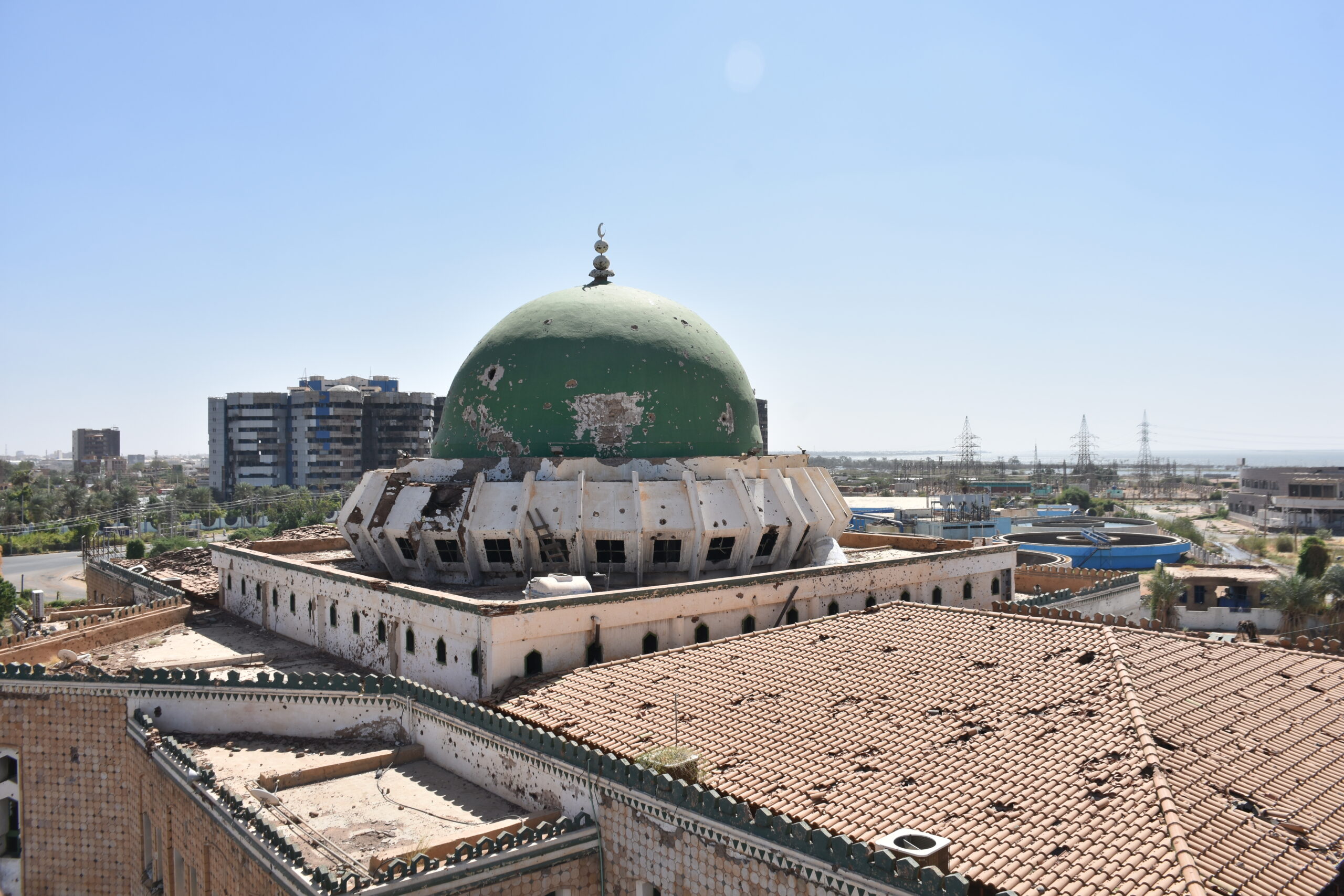
When it comes to both internal and regional crises, the overwhelming attitude among Mosul’s residents can be summarized as, “We are satisfied with our current situation; we just want to stay out of trouble.” This stance signals that any actors, whether from Baghdad or within Mosul itself, seeking to destabilize the city risk being socially marginalized. Indeed, the city has significantly moved away from the social fabric, expectations, and ideological radicalism that characterized the period between 2010 and 2014.
At this point, a clear divide emerges between politics and society — or more broadly, between the community and the political system. The priorities of Mosul’s residents are shaped less by sectarian concerns and more by a desire to prevent a recurrence of the deep traumas experienced during both the al-Qaeda and DAESH eras after 2003, and to preserve the current level of stability and prosperity. At the same time, the community is keenly aware that sectarian motives continue to dominate the political machinery in Baghdad. Therefore, it is not surprising that the sectarian power struggles played out through identity-based rhetoric during the election process are perceived as a routine part of the established political order.
The KDP and other parties within the Iraqi Kurdish Regional Government (IKRG) should be considered on a separate level. The possibility that the KDP could frame post-election alliances with Sunni Arab political groups around a shared “Sunni” identity stands out as an important issue that warrants close attention. The formation of new political equations between Sunni Arab groups and the KDP after the elections is a key scenario that should not be overlooked.
While the KDP holds the highest electoral potential in areas outside Mosul’s city center — such as Sinjar, Zummar, and Hamdaniya — it does not appear to wield significant influence there. Even KDP members of parliament elected from Sinjar continue to face serious security challenges, and the party is unable to conduct visits to the area lasting longer than a few hours. This suggests that the central Iraqi government has yet to fully establish security control in Sinjar, which remains largely under the influence of terrorist groups like the PKK and other non-state armed actors.
A field visit to Mosul provides a comprehensive view of the city’s recent transformation, the unique dynamics of local and national political competition, and its position amid regional developments. Economic revival, relative improvements in security, and the resurgence of social life positions Mosul, Iraq’s second-largest province, as a strategic center where political balances will be shaped. The leadership contest among Sunni Arab groups, the politically limited yet militarily and economically visible presence of Shiite militias, and the KDP’s voter base in rural areas all contribute to a diverse array of potential post-election alliance scenarios. However, the population’s primary concerns, centered less on sectarian political fears and more on maintaining security, stability, and economic well-being, represent one of the most significant social trends distinguishing Mosul from other Iraqi provinces. Amid regional crises and internal political struggles, Mosul’s ability to maintain its image as a “safe province” is increasing its appeal both as a destination for investment and as a political arena. Yet the sustainability of this situation depends on establishing lasting security in surrounding districts and ensuring that development projects extend beyond the city center to the entire province in a balanced manner. For these reasons, Mosul will remain one of the most critical determinants of Iraqi politics, both in the upcoming elections and beyond.