The Syrian Democratic Forces (SDF), which emerged during the Syrian civil war, have over time ceased to be merely a military-political structure affecting northeastern Syria and have instead become an actor directly shaping the security architecture of regional states, particularly Iraq and Türkiye. The main drivers of this transformation include the cross-border nature of the PKK elements that form the backbone of the SDF, its structural relationship with the U.S., and its capacity to turn regional power vacuums into strategic opportunities. The agreement occured between the Syrian government and the SDF on Jan. 18, presented to the public as a “cease-fire” or “integration” deal, introduces new and serious risks, especially for Iraq’s Turkmen population.
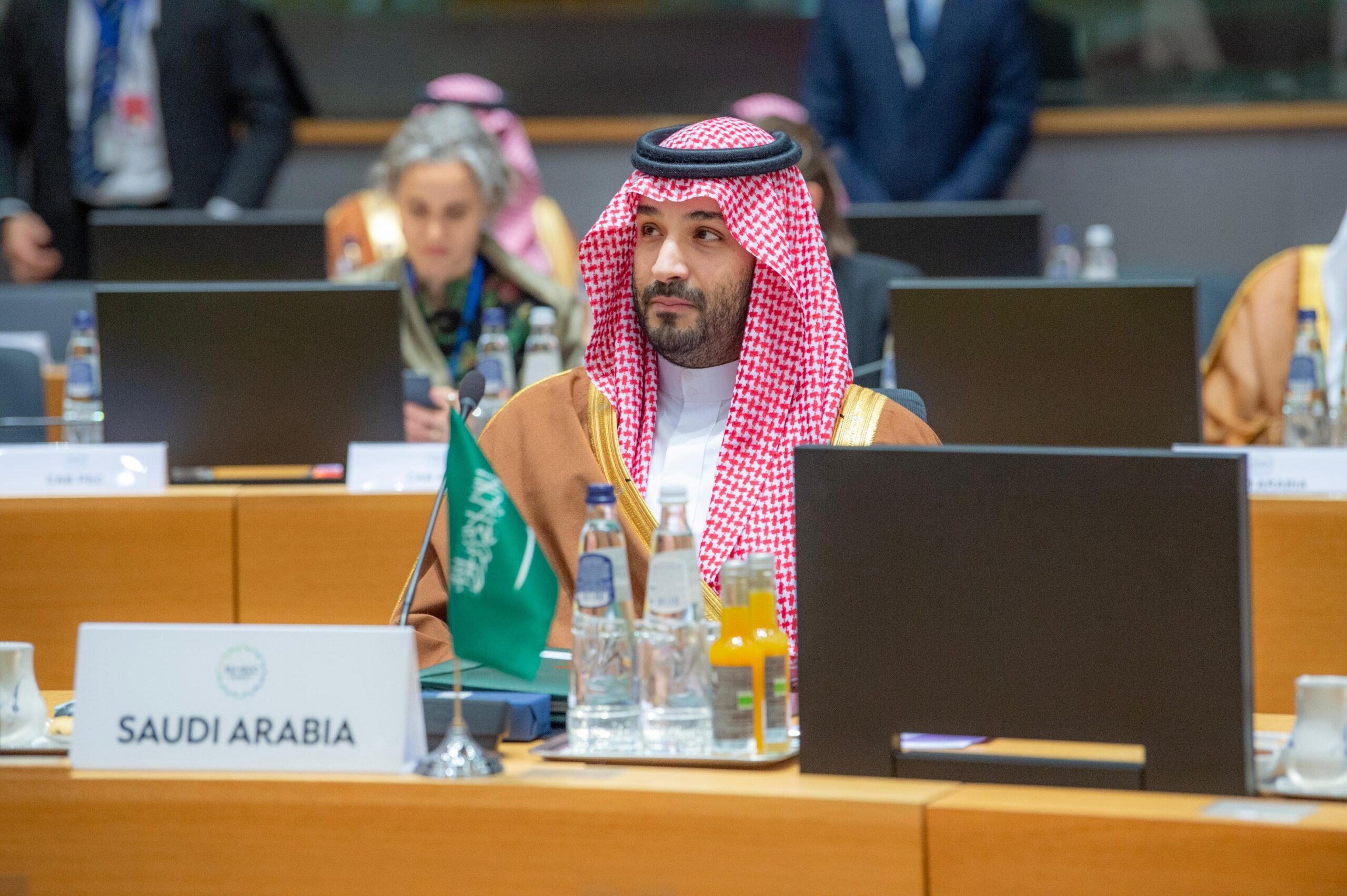
In the period leading up to the agreement, the meeting held on Jan. 17, in Erbil between U.S. Special Envoy for Syria Tom Barrack, Kurdistan Democratic Party (KDP) leader Masoud Barzani, and senior figures from the SDF and the PKK demonstrates that the deal cannot be assessed solely within the framework of Syria’s internal dynamics. The meeting indicates that the future of the SDF is being coordinated not only with Damascus, but also with Washington, Erbil and, indirectly, the Qandil axis. At this point, Erbil’s role is of critical importance. The Iraqi Kurdish Regional Government (KRG) has in the past pursued both confrontational and covert balancing policies toward the PKK, at times using the group’s presence as a tool in regional bargaining. The Erbil meeting has also raised the question of which geographies PKK elements might be redirected to should they be removed from Syria.
The agreement signed on March 10, 2025, between SDF leader Mazloum Abdi and Ahmad al-Sharaa, which envisaged the dissolution of the SDF and its integration into the Syrian Arab Army, initially appeared promising. The agreement recognized Syria’s Kurds as one of the country’s core components and provided for the integration of civilian and military structures formed in northeastern Syria into the state apparatus. However, the SDF’s interpretation of the deal based on “autonomy,” and its insistence on this framework, pushed the process into a deadlock. This situation further deepened the uncertainty surrounding the future of PKK elements.
Strategic significance of Article 12
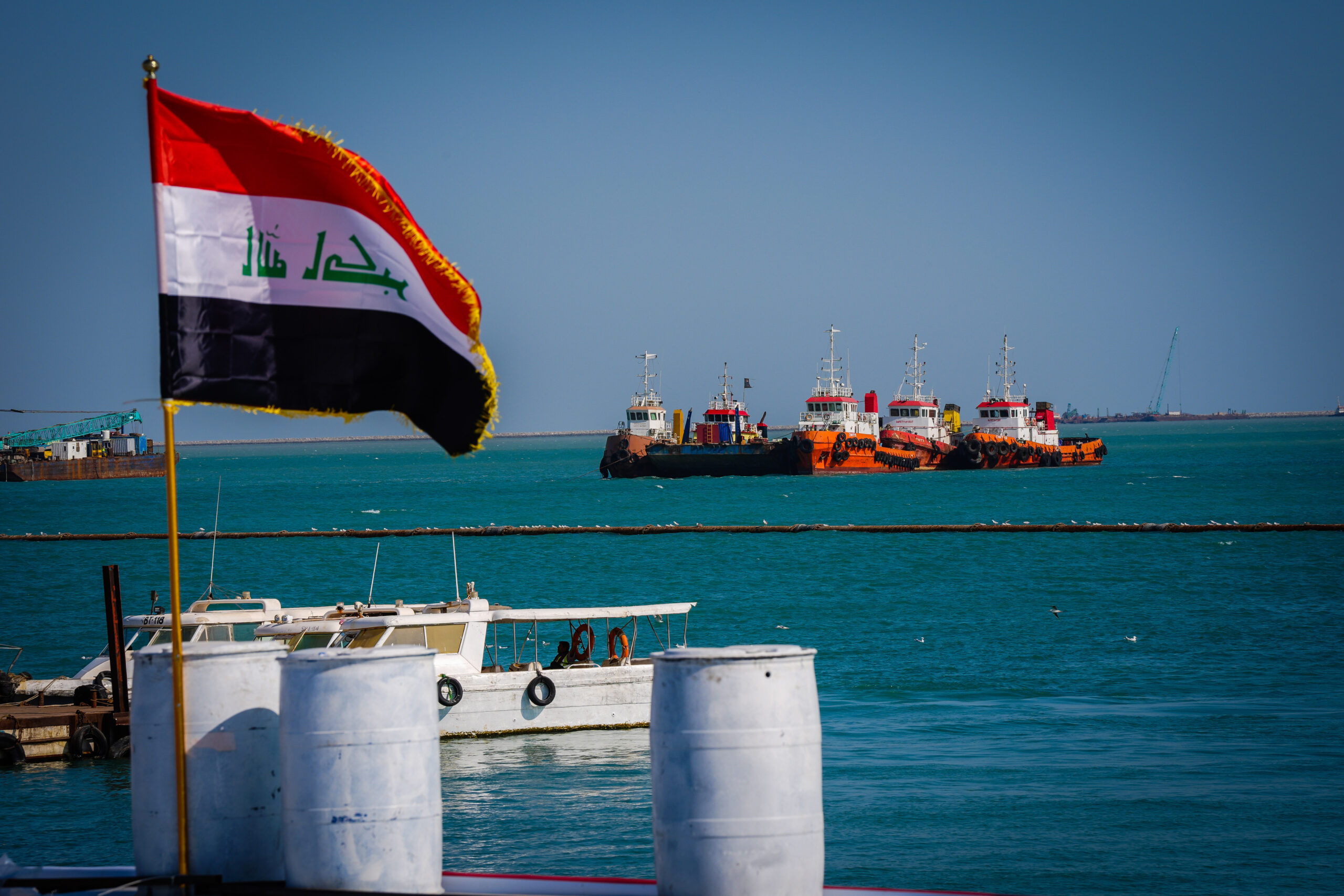
Article 12 of the 14-point agreement signed between the Syrian government and the SDF leadership constitutes the most critical provision from Iraq’s perspective. Under this article, the SDF commits to removing all non-Syrian PKK elements from the country, outside the borders of the Syrian Arab Republic. The text justifies this step as necessary to “ensure sovereignty and the stability of neighboring countries.” However, this wording contains serious ambiguity in practical terms. The removal of PKK elements from the country does not mean their disarmament, dissolution, or elimination. On the contrary, it increases the likelihood that these structures will be redirected toward other fragile geographies. At this point, Iraq is the most immediate destination that comes to mind. Northern Iraq, and particularly Turkmen-populated areas such as Tal Afar, Mosul, Kirkuk, Tuz Khurmatu and Kifri, offer highly conducive environments for such infiltration due to ethnic fault lines and security vacuums. The Iraqi government has also reinforced its border regions with troops to guard against a potential security vacuum.
Fragility of Iraq’s Turkmen regions
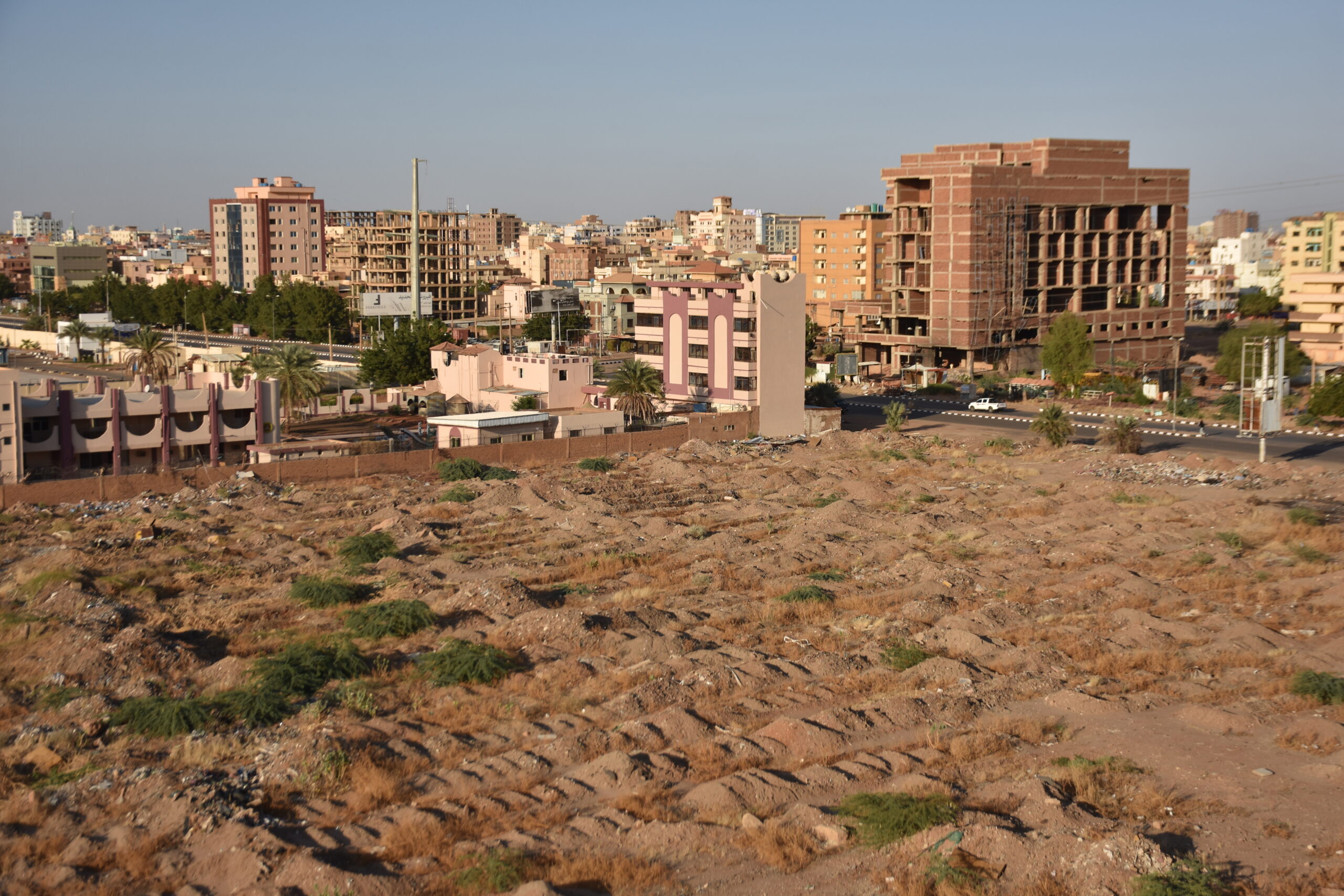
Turkmen areas have remained under security threat since the weakening of state authority in Iraq after 2003. Even in the post-DAESH period, the central government’s inability to establish full control in and around Kirkuk has turned these areas into zones with significant security vacuums for armed groups. The PKK’s past presence in Sinjar, Makhmour and the rural areas of Kirkuk demonstrates that this threat is practical rather than merely theoretical. If PKK elements slated to be removed from Syria under the agreement are redirected toward Iraq, it is assessed that they are likely to prioritize infiltration activities in security-fragile areas with dense Turkmen populations. Among the main reasons are the disputed status of Turkmen areas between Arab and Kurdish political actors and a fragmented structure in which security responsibilities are divided among different actors, increasing the region’s vulnerability.
Against this backdrop of risks, a statement by Arshad Salihi, a Kirkuk lawmaker from the Iraqi Turkmen Front (ITF), clearly reflected the concerns of the Turkmen community. Salihi directed the following questions to the Iraqi Armed Forces: “Does the Iraqi Armed Forces have confirmed intelligence indicating that PKK terrorists will infiltrate Iraq following the agreements between the Syrian administration and the SDF? What military and security measures will be taken to prevent possible PKK entries into Mosul, Kirkuk and Tuz Khurmatu?” In doing so, he adopted a warning posture toward the government. This statement demonstrates that Turkmens view the issue as not limited to Syria, but as one directly related to Iraq’s internal security.
Following the Turkmen warnings, a statement by Muqtada al-Sadr, one of Iraq’s most influential religious and political leaders, also drew attention. Sadr said, “Developments in Syria near the Iraqi border are not a matter that should be approached simply or naively, because danger is at the door,” placing the issue within a national security framework. This statement indicates that risks stemming from the PKK/SDF are not perceived solely by Turkmens, but are also taken seriously by Iraq’s Shiite political elite. However, it remains unclear to what extent this awareness will translate into concrete measures on the ground.
Turkmen balance in Kirkuk under Syrian gov’t-SDF influence
Simultaneously with these regional developments, the provincial council elections held in Iraq on Dec. 18, 2023, brought the country’s most sensitive political arenas, particularly Kirkuk, back into focus. Due to Kirkuk’s highly multiethnic and multiparty composition, the post-election outcome was no longer merely a matter of local administrative power-sharing. Instead, it became a process directly linked to power balances in Baghdad, intra-KRG competition, and regional security dynamics. Under an agreement among Turkmen, Kurdish, and Arab components, the governorship was to be rotated. The first year of the four-year term was allocated to the Kurds and the second year to the Turkmens, a significant gain for Turkmens, who have long faced political underrepresentation and administrative exclusion. However, it is notable that as the Kurdish term neared its end, the PKK threat originating from Syria began to feature more prominently in Kirkuk’s political agenda.
The growing narrative that the PKK’s operational space has expanded through the Syrian government-SDF relationship is creating a perception of increased security risks in Kirkuk. This perception can serve as a functional justification for delaying the administrative transition. In this context, the security discourse increasingly appears to function as an indirect pressure tool aimed at postponing or effectively neutralizing the Turkmens’ assumption of the governorship. The central government’s tendency to maintain the status quo under the pretext of preserving stability and prioritizing security represents a significant risk to the durability of the political gains Turkmens secured after the elections. Therefore, the debate over administrative balance in Kirkuk should be viewed not only as a power-sharing issue among local actors but also in the context of the spillover of the Syrian government–SDF process into Iraqi domestic politics, the instrumentalization of the PKK threat, and Baghdad’s status quo–oriented reflexes in crisis management. Otherwise, every administrative transition postponed on security grounds may turn into a mechanism that effectively suspends power sharing in Kirkuk, potentially pushing Turkmen political representation back onto a fragile footing.
Although the Damascus-SDF agreement stipulates on paper the removal of PKK elements from Syria, in practice it significantly increases the risk that these elements will move into Iraq. The areas likely to feel this risk most acutely are those with dense Turkmen populations and heightened security vulnerabilities.
The Iraqi central government must manage this process not only through diplomatic statements but also with concrete military and intelligence measures. Otherwise, the transfer of PKK elements from Syria to Iraq would represent a new wave of security and demographic pressure for the Turkmens. For Turkmens, the issue is not merely a matter of security but also the protection of political representation, local governance rights, and their founding role in Iraq’s future. Therefore, the impact of the Damascus-SDF agreement on Iraq’s Turkmens should be considered not just as a regional development, but as a strategic issue with the potential to reshape Iraq’s internal balance.