Introduction
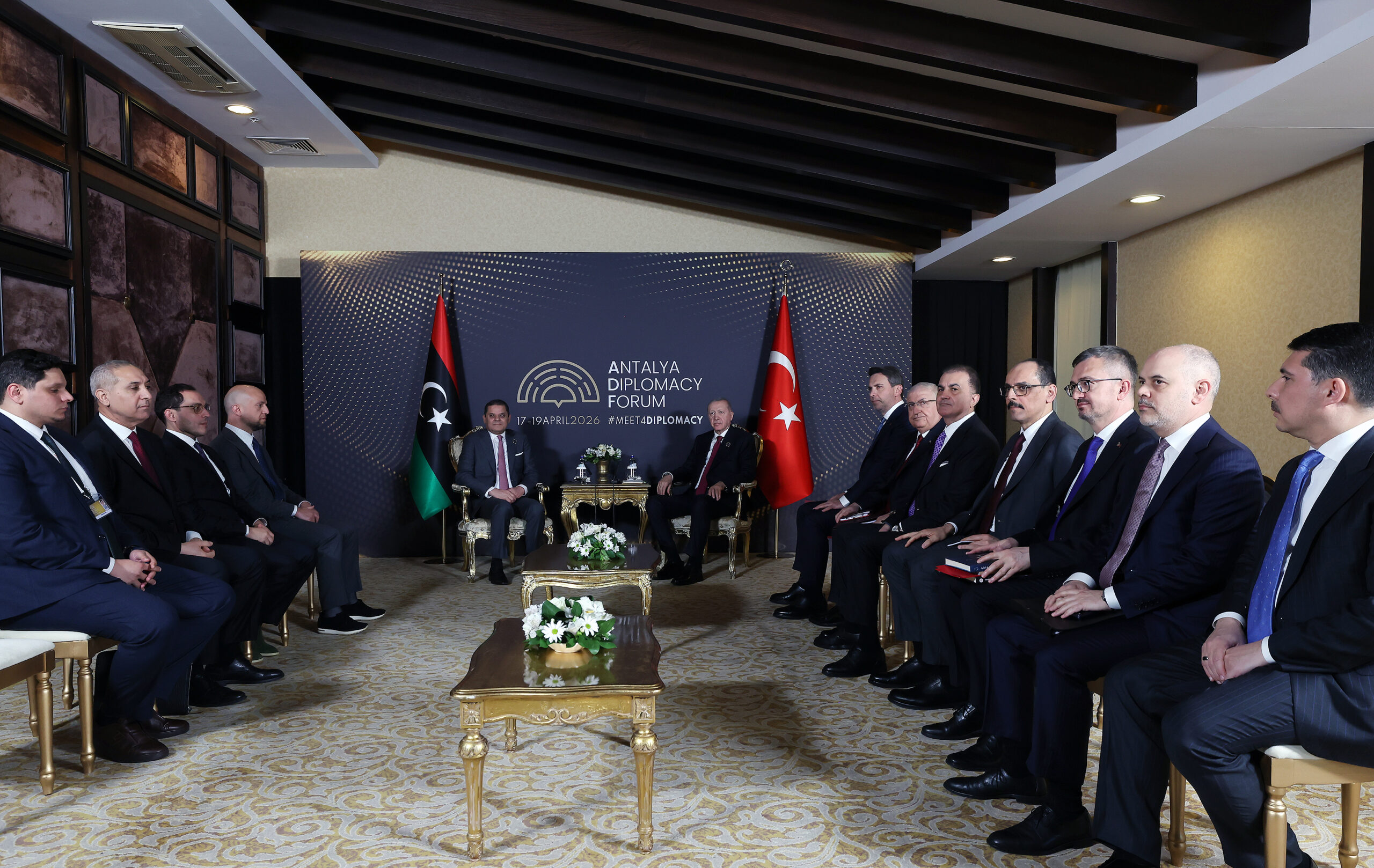
The visit by Turkish President Recep Tayyip Erdoğan to Saudi Arabia on Feb. 3, 2026, comes at a time when regional geopolitics are passing through a critical threshold. Signals of a possible U.S. military intervention against Iran, the civil war in Sudan, Israel’s recognition of Somaliland and questions surrounding Syria’s territorial integrity are deepening regional uncertainty. Most recently, the renewed intensification of regional competition between Saudi Arabia and the United Arab Emirates (UAE) has added a strategic dimension to the visit. In this context, the trip should be seen not merely as a bilateral engagement but as a critical step toward institutionalizing a form of stability-oriented cooperation driven by shared risks, most visibly emerging in the Syrian theater.
Potential agenda: Defense, strategic alignment
The most striking item on the agenda is a planned trilateral defense agreement among Türkiye, Saudi Arabia and Pakistan. Türkiye’s inclusion in the strategic framework signed by Saudi Arabia and Pakistan in September can be seen as a signal of a new regional security architecture. Statements by Turkish Foreign Minister Hakan Fidan expressing Ankara’s desire to address regional issues based on “mutual trust and comprehensive cooperation,” along with comments by Pakistan’s Federal Minister for Defence Production, Mohammad Raza Hayat Harraj, regarding negotiations that have been underway for 10 months, indicate that the process has reached a mature stage.
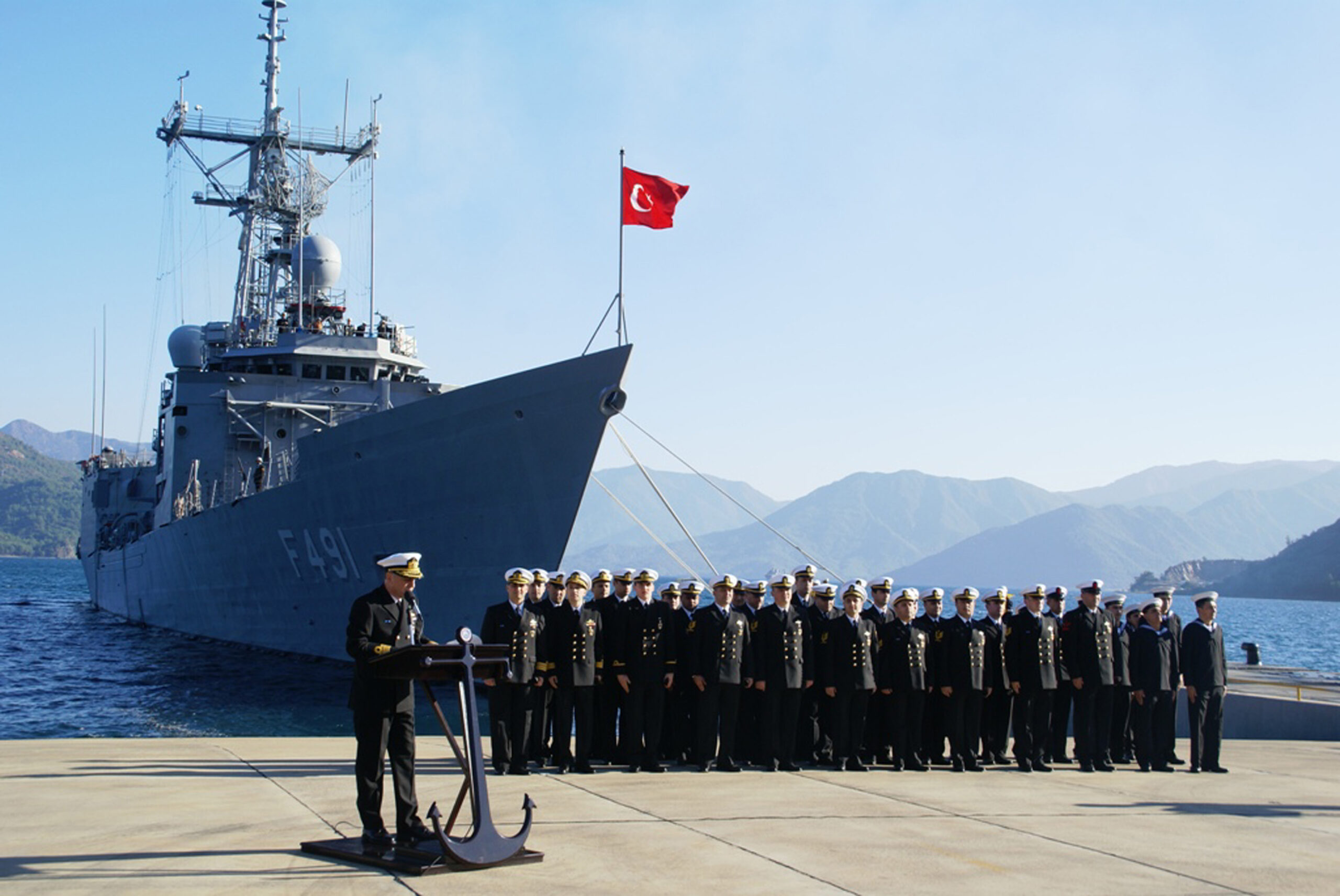
First reported by Reuters, the trilateral framework carries Türkiye’s growing diplomatic engagement with the Gulf and South Asia onto a military footing. This rapprochement, particularly centered on the defense industry, has moved into a phase of “risk-based alignment” in crisis zones such as Yemen, Libya, and Sudan. The first joint meeting held by the Turkish and Saudi naval forces in early January represents a concrete, on-the-ground manifestation of this previously theoretical convergence.
The proposed trilateral defense pact promises a “complementary power architecture” that brings together the distinct capabilities of its members. In this equation, Saudi Arabia underwrites the mechanism’s sustainability through the vast financial depth it provides to joint projects, while Türkiye forms the pact’s technological backbone with its proven and advanced defense industry base, ranging from unmanned aerial vehicles (UAV) and armed drone technologies to air defense systems. Pakistan, for its part, elevates the partnership beyond conventional defense cooperation by contributing strategic deterrence as the only nuclear power in the Islamic world. This hybrid combination of financial capital, technological innovation and nuclear capacity carries significant potential in the context of cooperation-based deterrence.
Shifting threat perceptions and regional dynamics
This cooperation process is not independent of the shifting security paradigms that have emerged since Oct. 7. The erosion of Iran’s military capacity exercised through proxy forces, along with Israel’s direct strikes targeting Doha in September, have triggered a radical shift in threat perceptions among Gulf states. At this stage, Israel has become a more immediate security concern than Iran for many Arab capitals.
The targeting of Doha has led to questions over U.S. security guarantees in the region and accelerated efforts to diversify alliances. At this juncture, Türkiye and Saudi Arabia — unlike the UAE and Israel — converge around a doctrine that prioritizes “central state authority” in conflict zones. Indeed, Saudi Arabia’s move to target a UAE-linked shipment at the Port of Mukalla in Yemen and label Abu Dhabi a destabilizing actor points to the fragility of existing alliances and underscores Ankara’s rising strategic priority in Riyadh’s calculations.
Multifaceted agenda: From security to economy
Another top priority on the agenda is presenting a unified stance in the face of U.S.-Iran tensions. Ankara and Riyadh agree that a military intervention against Iran would plunge the region into irreversible instability. In addition, a recent visit by the commander of the Saudi Air Force to Turkish defense firm ASELSAN has underscored Saudi interest in Türkiye’s domestically developed fifth-generation fighter jet, KAAN, as well as in Turkish air defense systems. This interest in the defense industry is expected to evolve into a strategic partnership through formal engagements. Beyond security, the talks also carry a strong economic dimension, including efforts to expand bilateral trade volume, encourage investment and deepen private-sector cooperation. Saudi Arabia is expected to include Turkish partner companies in its ongoing investments in artificial intelligence and digitalization, while Turkish firms, particularly those operating in tourism and construction, are likewise anticipated to increase their investment footprint in the kingdom.
Meanwhile, the conflict in Sudan and peace efforts in Libya, Syria’s reconstruction, and diplomatic steps to counter Israel’s move on Somaliland form other critical pillars of the talks. This security-focused cooperation is expected to serve as a lever for new partnerships in energy, trade, civil defense, and the broader economy.
The visit formalizes the elevation of a process that gained momentum with the agreement signed between the kingdom’s state-owned defense company, Saudi Arabian Military Industries (SAMI) and Turkish drone magnate, Baykar, in 2023 to the level of “high politics” and security. When assessed alongside Türkiye’s engagements on the Egypt and Pakistan axis, Ankara’s efforts to build a new regional order based on mutual trust appear to be gaining traction. While this institutionalizing cooperation remains open to testing by shifting geopolitical dynamics, the process can be expected to serve two core missions. The first is to anchor existing economic and military cooperation within a durable institutional framework. The second is to send a strong message of solidarity aimed at ensuring regional stability and advancing a cooperation-based deterrent alliance in response to Israel’s regional expansionism and destabilizing policies.