Russia’s reduced military presence in Syria and its focus on Libya points to a new power struggle in both the Middle East and North Africa. The advance of Hayat Tahrir al-Sham (HTS) in Syria and the fall of the Bashar Assad regime caused Moscow to reassess its position in the country. Russia’s decision to end its military presence in Tartus and move its naval assets to Libya can be interpreted as part of its effort to protect and expand strategic interests in the Mediterranean and Sahel regions.
Russia’s decision to withdraw from Syria and its geopolitical agenda
Changes in the course of the civil war in Syria have influenced Russia’s decision to reduce its military presence in the country. HTS’s successful operations have threatened Russia’s naval assets at the Tartus base. Moreover, the failure of the Assad regime to reestablish control in the aftermath of the civil war has raised concerns that Russia will not be able to recoup its investments there. In this context, Moscow is believed to have decided to move its military and logistical elements to a more secure and strategic location, taking into account the increasing costs of maintaining its presence in Syria.
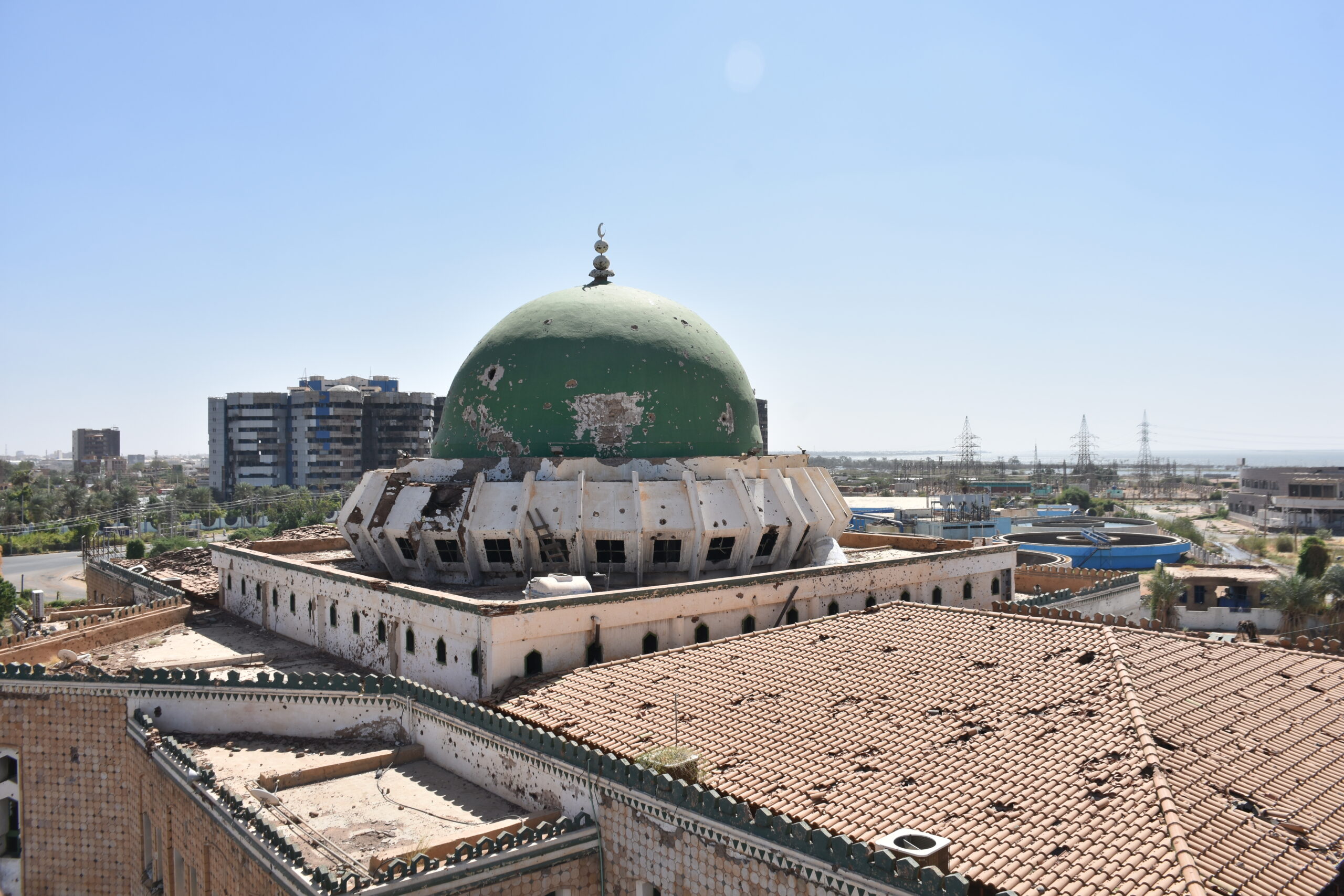
Another important motivation for Russia in this process is to maintain its influence in the Mediterranean, which is critical for international maritime transportation and energy security. While the Tartus base is a key center supporting Moscow’s logistical and military operations in the region, the fact that this base is at risk has led Russia to search for alternatives. However, several developments have occurred, including the recent statement by Syria’s interim president, Ahmad al-Sharaa’s administration, which expressed that they do not want Russia to withdraw from Syria in a way that would negatively affect bilateral relations. Additionally, the visit of a Russian delegation to Damascus, along with the visit of the Port Sudan administration to Moscow regarding the planned Russian naval base on the Red Sea coast of Sudan, further contribute to these developments. Together, these events reveal the security-centered geopolitical agenda of the Putin administration, which extends from the Eastern Mediterranean to the Red Sea and from there to the Indo-Pacific region.
Libya: New geopolitical hub
Russia’s relocation of its military presence in Libya is an extension of Moscow’s strategic interests in the Mediterranean. Tobruk, in eastern Libya (al-Qadim and al-Jufra, both former outposts of the Wagner group) and the Maaten al-Sarra base in the south offer Russia an opportunity to recover the strategic advantages it lost in Syria. Tobruk, as a Mediterranean coastal region, could allow Russia to control energy and maritime transportation routes. Maaten al-Sarra, on the other hand, is strategically located on the border of Libya, Sudan and Chad and could serve as a logistical hub for operations in the Sahel region. Indeed, satellite imagery from open sources confirms this development.
Russia’s deployment of paramilitary groups such as the Wagner Group — now known as the African Corps — to Libya and the Sahel demonstrates Moscow’s efforts to solidify its military presence there. The Wagner Group, in cooperation with Khalifa Haftar’s Libyan National Army (LNA), is tasked with protecting and expanding Russia’s interests, particularly in the Cyrenaica region. These steps reveal that Russia sees Libya not only as a military base but also as a base for energy and geopolitical competition.
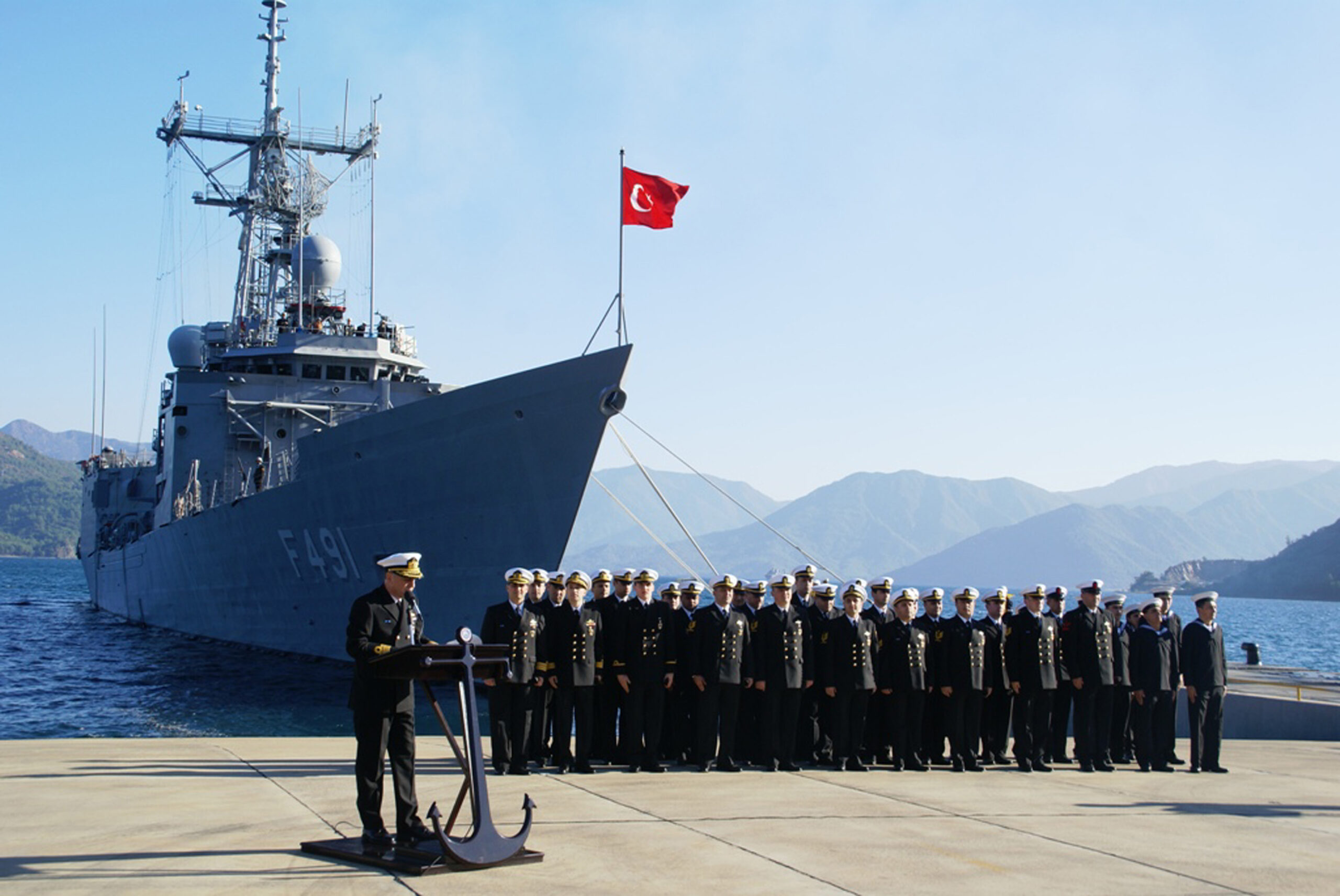
Russia’s effort to reduce its presence at the Tartus Naval Base in Syria and establish a naval base in Tobruk in eastern Libya is aimed at protecting and consolidating Moscow’s long-term strategic interests in the Mediterranean. Tartus was an important logistical and operational hub for Russia. However, the fall of the Moscow-backed Assad regime in Syria jeopardized the security of Tartus. Therefore, establishing a base in a more secure location, such as Tobruk, would strengthen Russia’s presence in a region close to NATO’s southern flank. The geopolitical significance of the Mediterranean is evident in its location at the crossroads of energy corridors and international trade routes. The planned naval base in Tobruk could give the Russian navy operational flexibility in the Mediterranean, while also increasing Moscow’s strategic leverage over NATO and Europe. This move could also be seen as a step towards enhancing Russia’s visibility as a global naval power.
Libya holds a strategic position in energy competition as it has one of the largest oil reserves in Africa and plays a critical role in European energy security. By controlling Libya’s energy resources, Russia aims both to expand its economic interests and to create a strategic pressure on European countries. While the European Union (EU) supplies a significant portion of its energy needs from Russia, it has developed policies to reduce its dependence on the country following the war in Ukraine. Accordingly, efforts to turn to alternative energy suppliers, such as Libya, have gained prominence. However, Russia may have the opportunity to undermine Europe’s strategic diversification goals by controlling the energy infrastructure in Libya. Russia’s growing interest in the energy fields in the Cyrenaica region controlled by Haftar is part of this strategy. Moscow’s use of paramilitary forces, such as the Wagner Group, to secure energy infrastructures supports its goal of controlling Europe’s energy supply chain while consolidating its presence in Libya.
On the other hand, Russia’s goal of expanding its military presence in Libya to the Sahel region is part of a long-term strategy to increase Moscow’s influence on the African continent. The Maaten al-Sarra Air Base in southern Libya plays a key role in this strategy. Located on the border between Libya, Chad and Sudan, it is considered an ideal hub for logistical support to the Sahel region. Given the Wagner Group’s activities in countries such as Mali, Burkina Faso and Sudan, it is clear that this base could make significant contributions to Russia’s military operations in the region. Indeed, the power vacuum created by France’s reduced military presence in the Sahel has opened new opportunities for Russia. Relations developed with the junta governments in the region and the security support provided are important indicators of Moscow’s growing influence in the Sahel.
In addition to supporting Russia’s operations in the Sahel, the Maaten al-Sarra base could provide direct military and logistical support to regional countries such as Mali, Burkina Faso and Sudan. Moreover, the deployment of Syrian soldiers and Russian technicians to reconstruct the base shows how important this is for Moscow. This base is becoming a critical hub for expanding Russia’s presence in Africa and filling the vacuum left by France’s decline.
Italy, Europe’s concerns
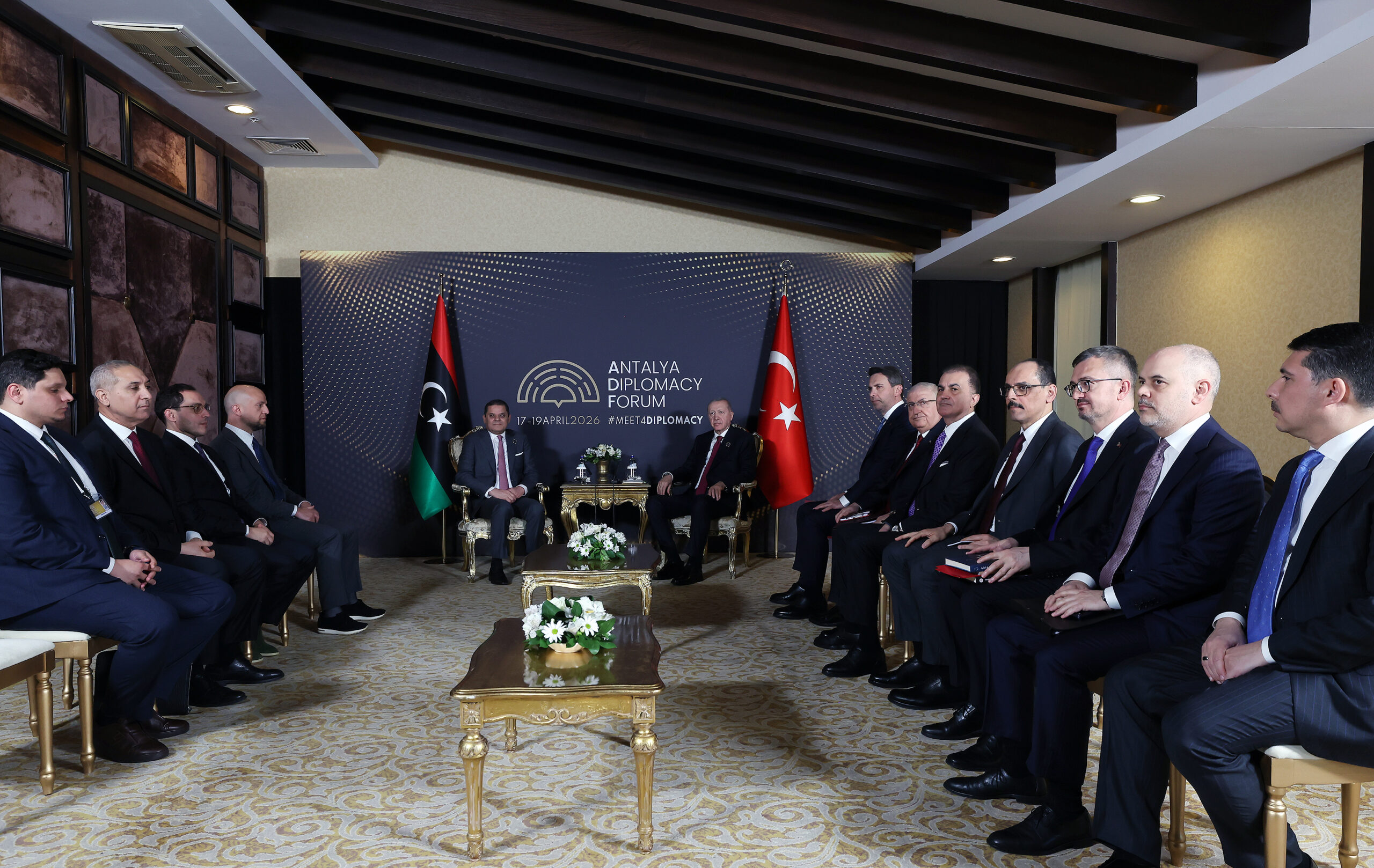
Russia’s withdrawal from Syria and focus on Libya stands out as a development that threatens particularly Italy’s geopolitical interests. Libya is a priority country for Italy in terms of energy security, migration management, and regional stability. Russia’s increasing influence in Libya by settling in strategic bases such as Tobruk and Maaten al-Sarra could not only weaken Italy’s control over energy infrastructure but also increase migration flows to Europe by deepening instability in Libya. Indeed, Italian Prime Minister Giorgia Meloni has called on the EU and NATO to be more active in this regard, viewing Russia’s moves as a threat.
Russia’s activities in Libya not only affect Italy but also have direct consequences for the EU’s energy security and migration policies. While European countries seek alternative energy suppliers to reduce their energy dependence on Russia during the war in Ukraine, Russia’s access to energy infrastructure in Libya jeopardizes these efforts. Although the EU has taken diplomatic and economic initiatives to establish stability in Libya, there has been a lack of coordination among member states. France has focused more on Libya as its influence in the Sahel region has waned, while Germany has adopted a more cautious policy, prioritizing economic aid. However, Russia’s growing influence makes it imperative for Europe to develop a more comprehensive strategy.
Italy is one of the European countries most closely following developments in Libya, and its geographical proximity to the country increases its sensitivity to the situation there. The presence of major Italian energy companies such as ENI in Libya is an important factor shaping Rome’s efforts to maintain stability in the region. However, Russia’s growing influence in Libya through its military and paramilitary forces threatens Italy’s interests in the region. Italy is working hard to establish a more effective Libya policy within the EU and to strengthen security on NATO’s southern flank. However, the success of these efforts depends on Europe’s ability to develop a unified strategy. Without an effective response to Russia’s presence in Libya, not only Italy but all of Europe will feel the negative consequences of this geopolitical rivalry.
As a result, Russia’s withdrawal from Syria and its shift to Libya is creating a new balance of power in both the Mediterranean and Sahel regions. Moscow’s focus on strategic bases such as Tobruk and Maaten al-Sarra are significant steps to consolidate its military presence in the Mediterranean and establish new spheres of influence deep in Africa. This poses serious risks to energy security, migration management and regional stability, especially for Italy and other European countries. The EU and NATO’s failure to develop a common strategy to counter these developments in Libya could pave the way for Russia to further expand its influence. Considering this, it is critical for Italy to take a leadership role and strengthen efforts to protect European interests in Libya. However, the success of these efforts depends on the ability of European countries to act collectively and develop a comprehensive political vision that supports peace and stability in Libya. Otherwise, the current power struggle in Libya could pose greater challenges to Europe’s security and economic interests.
This opinion piece was published in February 2025 in Türk Yurdu Magazine with the title “Rusya’nın Suriye’den Libya’ya Kayması: Jeopolitik Etkiler ve Bölgesel Rekabetin Yeni Safhası.”