The events that erupted on July 13, 2025, in the southern Syrian city of Suwayda — and swiftly sparked debate over their potential repercussions both within the country and across the regional security landscape — compel a reassessment of the balance between security and economic conditions in Syria. In particular, the clashes between the Druze community and central government forces, alongside Israel’s direct involvement during this period, have added a new dimension to the ongoing discourse on security, economy, and external intervention in Syria.
The incidents we observed this past March in Latakia and Tartus brought renewed attention to the Alawite/Nusayri minority. Meanwhile, the unresolved status of the Kurds and Arab tribes — alongside the Druze community, which triggered the latest unrest — underscores the urgent need to address Syria’s ethnic and sectarian tensions. Yet it is important to note that these developments are neither the first nor the last of their kind in Syria. What they reveal, once again, is the inadequacy of approaching the Syrian question solely through frameworks focused on economic development, reconstruction, or inclusive constitutional and governmental formulas. At the core of the crisis lies the absence of a viable power-sharing arrangement and security architecture capable of managing the country’s deeply complex ethnic and sectarian composition. Priorities often emphasized in a “positive agenda” — such as holding elections, forming a government, or pursuing economic growth — continue to collide with the harsh realities of identity politics and entrenched security concerns. In this context, re-evaluating the hierarchy of priorities in Syria has become an unavoidable necessity.
Intersecting crises in domestic landscape: The security–economy dilemma
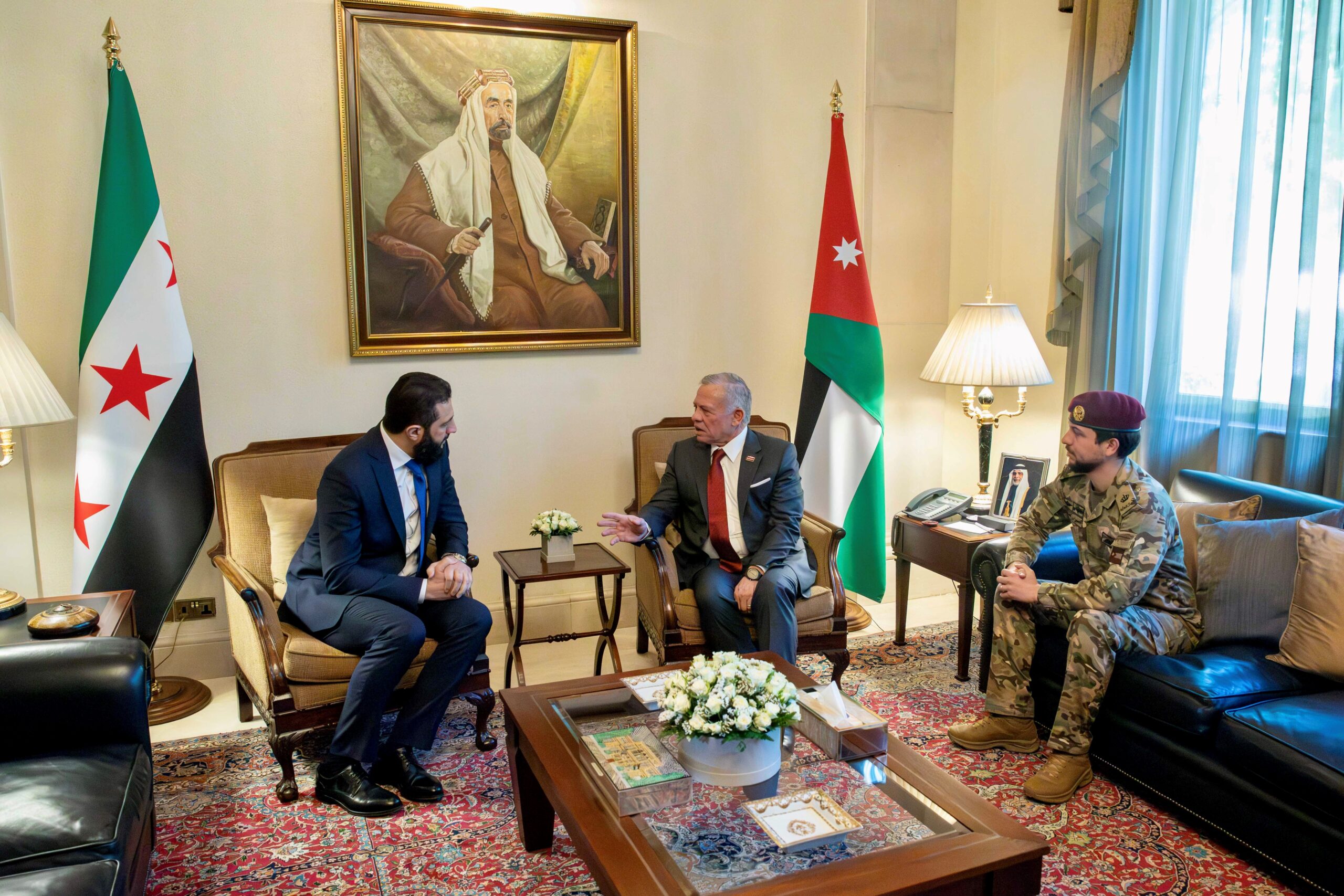
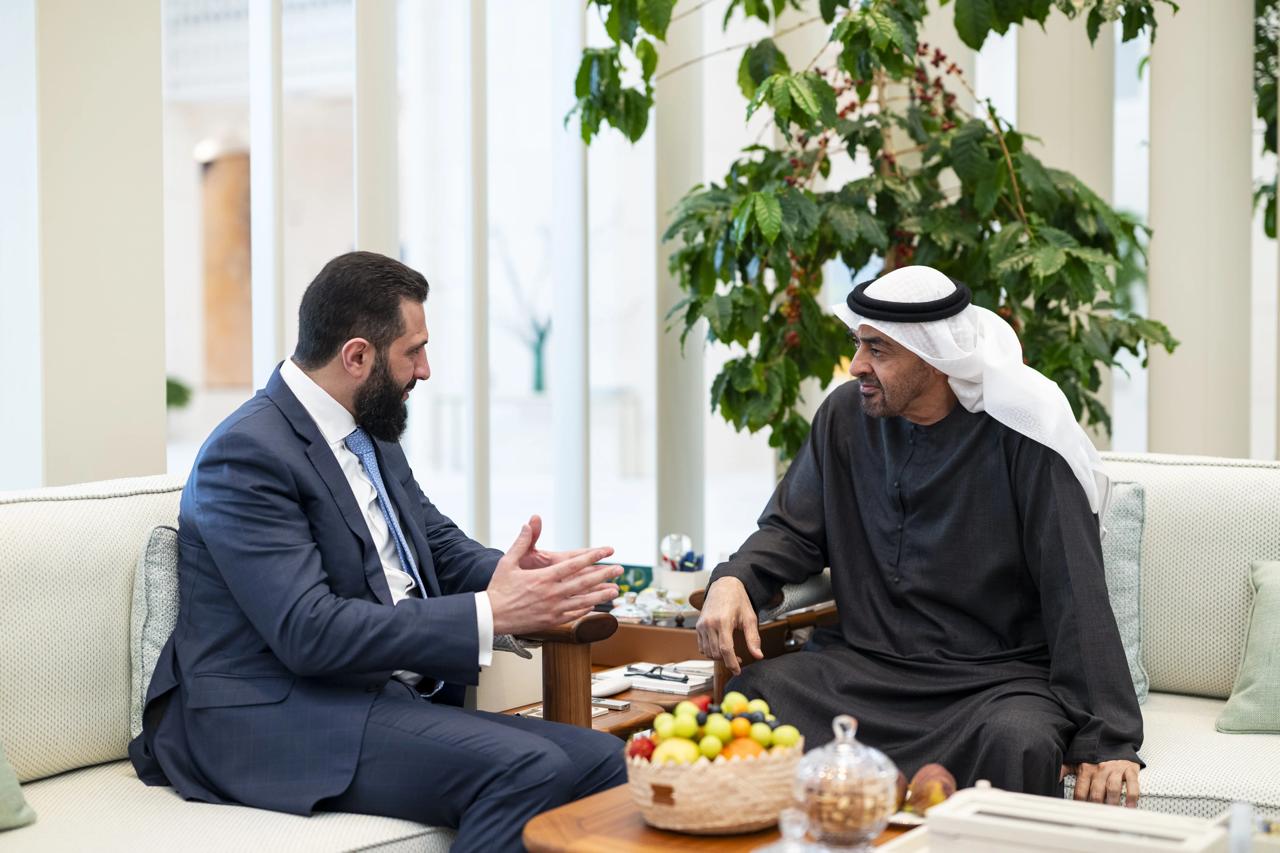
In recent months, regional and international actors — particularly those aligned with the Damascus government — have increasingly argued, with some justification, that the path to restoring order in Syria must begin with the lifting of sanctions, the end of economic isolation, and a renewed focus on rebuilding the state and its institutions. Within this framework, Syrian President Ahmad al-Sharaa formed a technocratic government aimed at credibility, merit, and strategic priorities. Al-Sharaa’s approach has centered on easing sanctions, opening diplomatic channels with Gulf states, and attracting investment for the reconstruction process. While security remains an urgent concern, rebuilding Syria’s post-revolution defense and security apparatus — almost entirely dismantled in the preceding years — has proven both controversial and costly. For this reason, al-Sharaa has adopted a gradual, long-term security strategy that prioritizes stability and the preservation of a unitary state structure.
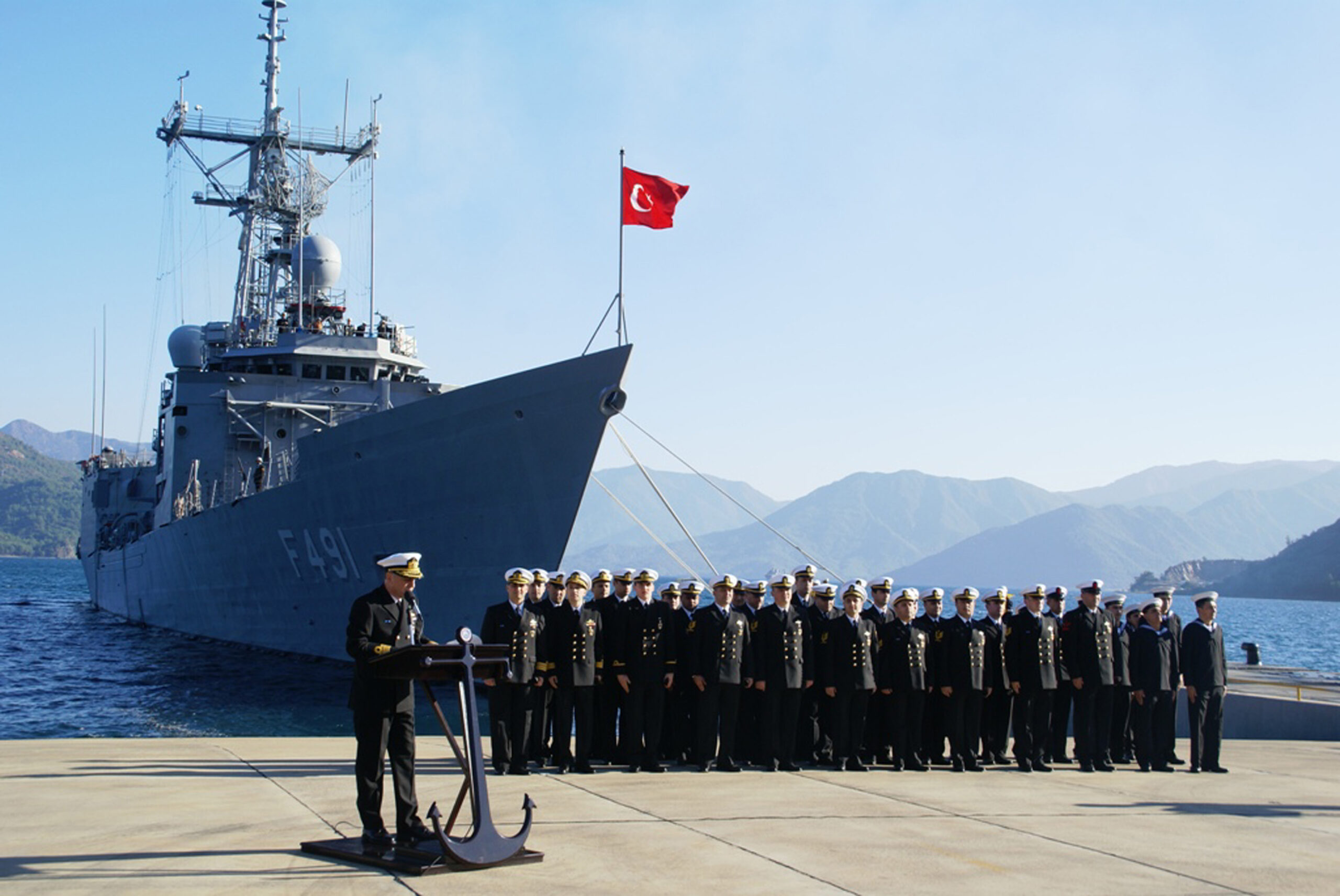
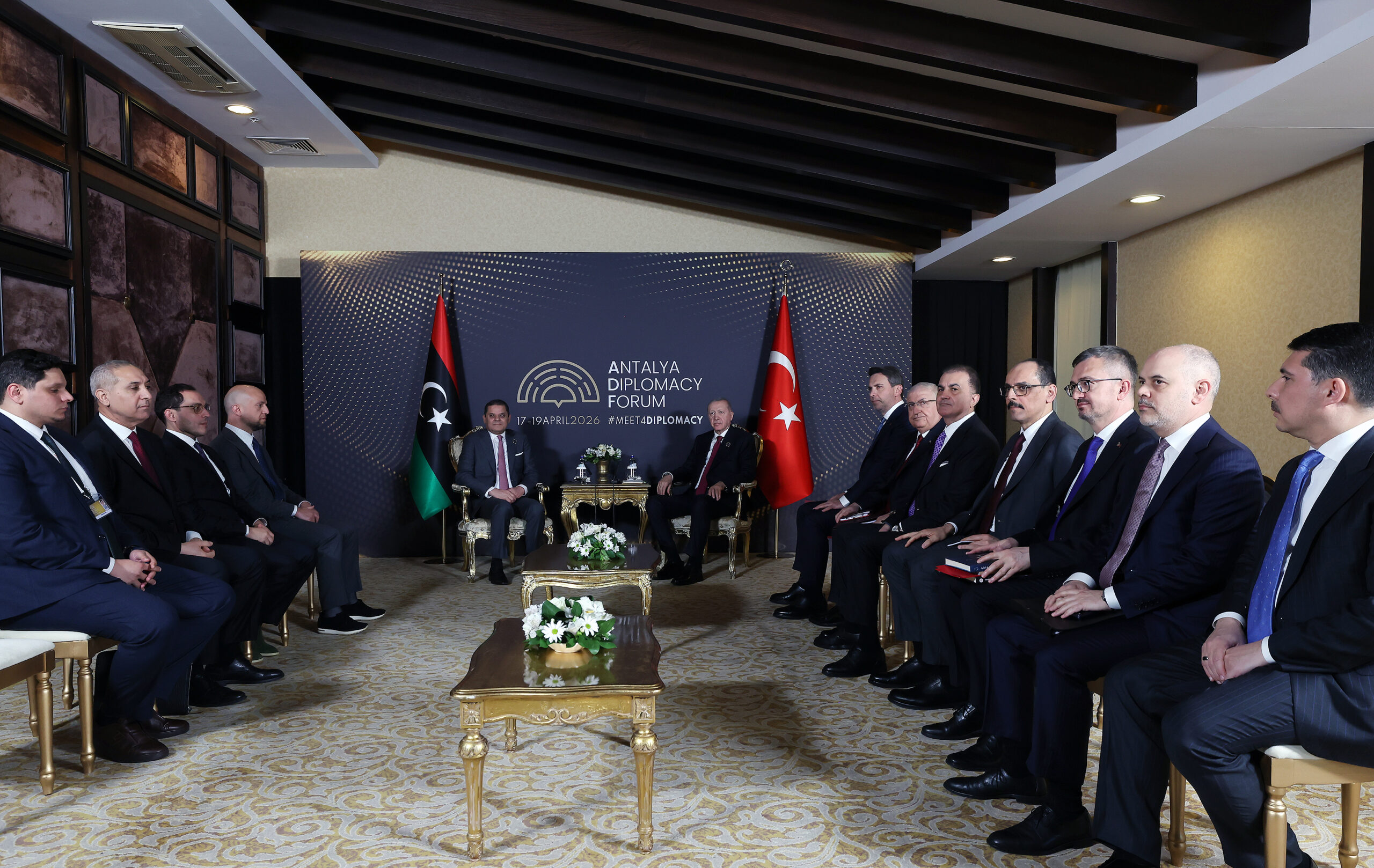
With support from Türkiye, diplomatic engagement soon began with Gulf countries, followed by the United States and European states. This signaled the possibility of a slow and cautious process of economic normalization. However, despite these efforts, the continued escalation of crises in the security sphere suggests that the government has struggled to synchronize the economic and security tracks. It was precisely at this juncture that the Suwayda events erupted. The fact that the Syrian government was still unable to establish security at a time when calls for economic recovery were gaining traction has raised serious concerns among external stakeholders regarding the government’s overall capacity and credibility.
Root of the problem: The absence of centralized power and a coherent security structure
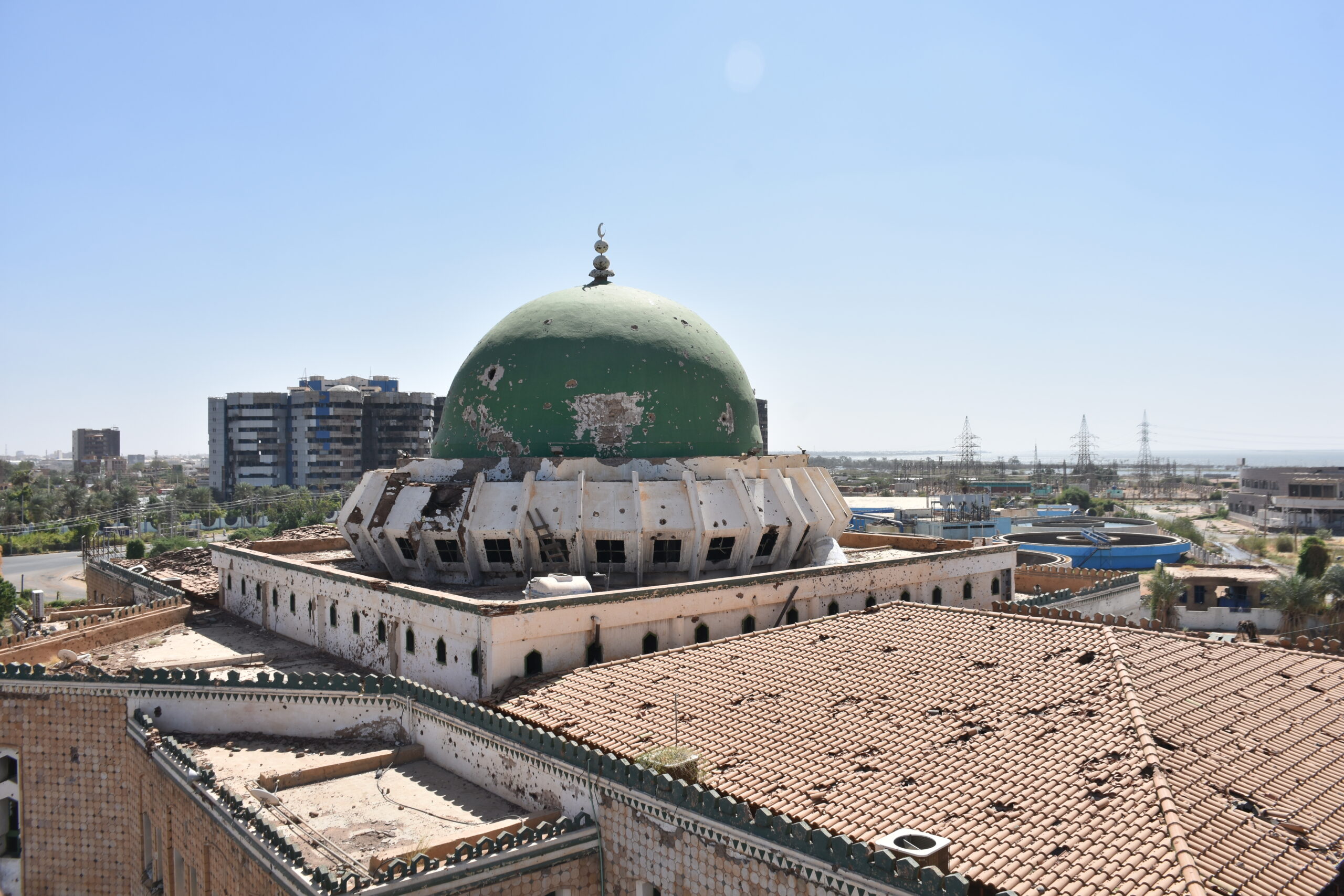
The recent clashes in Suwayda are not solely the result of minority-related tensions; they also reflect deep structural weaknesses in Syria’s security architecture. The inability of government forces to maintain stability in cities like Suwayda highlights not only the political but also the military fragmentation of the central state. At this stage, the critical question must be posed: If the al-Sharaa government has made measurable progress in regional cooperation and diplomatic engagement regarding sanctions relief, financial inflows, and economic reconstruction, why has it failed to demonstrate similar capacity in the field of security?
The failure to establish security in Syria cannot be explained by the government’s intentions alone; it is equally tied to the state’s institutional capacity, the agendas of regional actors, and the strategic calculations of global powers. Within six months, the Damascus administration has reactivated elements of its wartime security apparatus in an attempt to reassert control over parts of the country. Yet transforming this into a centralized military and security force will require more time. For Syria to achieve lasting stability, a comprehensive and institutionalized security reform is imperative. Without building a professional, inclusive security structure that extends across the entire country — rather than relying on ad hoc local arrangements — the establishment of a peaceful order will remain unlikely.
The Israel factor and regional power balances
Israel’s airstrikes on Damascus once again underscore that Syria faces not only internal turmoil but also regional power rivalries. Israel’s security policy is predicated on preventing the enhancement of Syria’s military capacity. As such, any attempt to build a centralized security structure in Syria stands in direct contradiction to Israel’s strategic posture. However, this dynamic should not be viewed solely as a bilateral Israel–Syria conflict, but rather as a symptom of a broader absence of regional security architecture. Curbing violations of Syrian sovereignty is only possible through regional security arrangements robust enough to deter such interventions. Indeed, as evidenced by Israel’s operations against Iran, interventions by a regional actor in violation of international law not only fail to restore stability but also serve to increase security costs across the entire region. In this context, it is essential that regional actors be included in the envisioned security architecture and that the process be conducted on the basis of international legitimacy, with the support of the UN and global powers.
Power sharing or power consolidation?
Syria’s future depends not only on political and economic reconstruction but also on the establishment of a legitimate, centralized, and inclusive security apparatus. Neither the government’s security capacity, nor the Druze community, nor Israel alone can be held solely responsible for the ongoing crisis. When these are understood as fixed variables, the core issue becomes the need for the Syrian government to extend its central authority across the country —while ensuring that it does not disregard the ethnic and sectarian balances in doing so.
Ultimately, the recent developments in Syria once again highlight the complexity of crisis management. Economic recovery alone is not sufficient; for it to be sustainable, the security architecture must be rebuilt, the capacity of the central state must be strengthened, and mechanisms that foster ethnic and sectarian reconciliation must be developed. Today, Syria is being tested not only as a state but also as a component of the broader regional equation. Its ability to withstand this test depends on establishing a governance architecture capable of balancing security and economic priorities while working in coordination with both domestic and international actors.