Türkiye’s initiative to build a spaceport on the Somali coast is not merely a “technology project,” but a multifaceted endeavor that reinforces the country’s long-term strategic presence in the Horn of Africa. The partnership, which has been evolving for years across the defense, energy and diplomatic sectors, is now entering a new phase through cooperation in space. Rather than serving as a prestige project, it reflects Türkiye’s goal of independent access to space, grounded in the equatorial advantage of the region and existing institutional partnerships. In this sense, it serves as a launchpad offering both economic returns and strategic benefits for both Türkiye and Somalia.
The 10-year Defense and Economic Cooperation Framework Agreement approved between Türkiye and Somalia in February 2024, along with the energy memorandum signed in March of the same year, provided the parties with a legal and institutional basis for legitimacy. These agreements called for joint capacity building in maritime security, energy cooperation and critical infrastructure projects. The deployment of Türkiye’s Oruç Reis seismic research vessel off the Somali coast and the cooperation between the Turkish Petroleum Corporation (TPAO) and Somalia’s petroleum authority have been concrete outcomes of this framework. Therefore, the spaceport is not an isolated or one-off initiative, but a natural extension of the existing cooperation architecture.
Legal Framework, technical advantage and market dynamics
The spaceport initiative rests on three pillars: institutional framework, technical rationale, and public interest. First, the defense and energy agreements signed in 2024 institutionalized the security and economic partnership between the parties. The 10-year agreement, ratified by the Somali Parliament, formally authorized Türkiye to take a direct role in areas such as protecting Somalia’s maritime jurisdiction and providing naval training. This framework provides a legal basis that addresses much of the criticism directed at the spaceport project.
Second, the equatorial advantage is a technically indisputable fact. By maximizing the benefit of the Earth’s rotational speed, more payload can be carried using the same propulsion systems, and per-kilometer costs are reduced. Europe’s Kourou Spaceport in French Guiana is the most well-known example of this advantage being utilized for decades. The Somali coastline shares a similar geographic logic, offering wide eastern evacuation corridors that provide favorable conditions in terms of both cost-efficiency and safety. Therefore, Türkiye’s decision to leverage this advantage — absent in its own geography — through a partnership with Somalia is a rational choice.
Third, the global space economy is growing rapidly, reaching nearly $600 billion in size as of 2024. The increasing dominance of the commercial sector is driving greater demand for new launch sites. A spaceport built in Somalia could not only meet Türkiye’s own needs, but also generate export revenue by offering launch pad rentals and tracking services to third parties. In this way, the project could shift from being perceived as a “budget burden” to becoming a foreign currency-generating venture based on a multi-stakeholder business model.
Security and perception
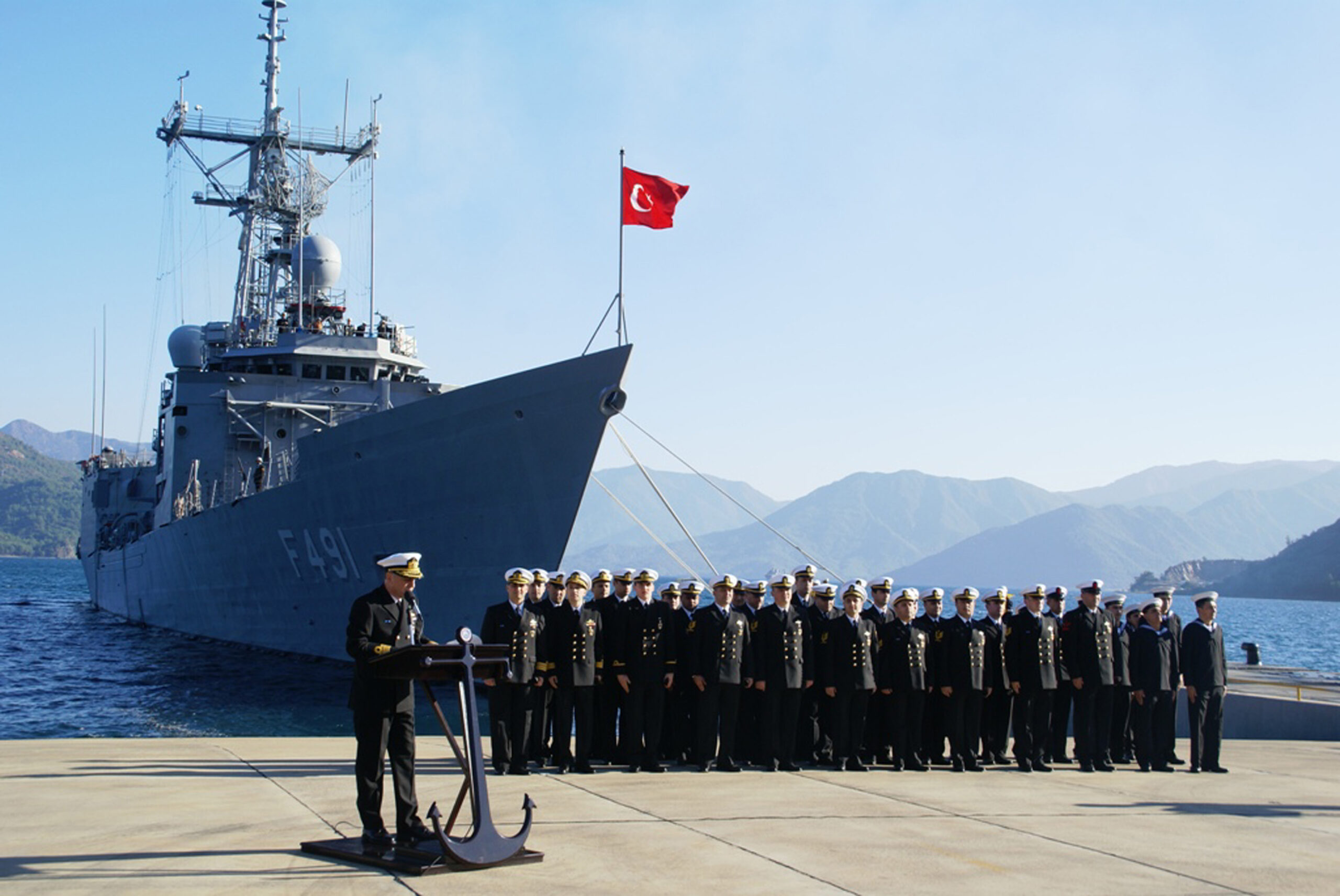
The al-Shabab threat, instability along the Aden-Red Sea corridor, and the recent rise in piracy are undoubtedly risk factors for any large-scale infrastructure project on the Somali coast. However, these risks are not unmanageable; on the contrary, they can be mitigated with existing tools. Türkiye’s TURKSOM Military Training Base, operational in Mogadishu since 2017, provides significant institutional experience in terms of security and logistics personnel. The training and equipment support provided to the Somali military has both enhanced the country’s own capabilities and given Türkiye valuable operational experience on the ground. This expertise offers a direct advantage in meeting the security requirements of the spaceport.
The prominent debate in terms of perception centers on the issue of dual use. The ability of spaceports to serve both civilian and military purposes is not unique to Türkiye — it is a globally recognized reality. What matters most is the governance design. For example, if the project’s contributions to areas such as agriculture, water management, disaster monitoring and telecommunications are made visible, and if long-range system tests are to be conducted, they should be carried out under a separate legal framework with transparent oversight mechanisms. As seen at Europe’s Kourou Spaceport, tools such as environmental impact reports, parliamentary oversight and international notification procedures can also be applied in the Somali case to strengthen legitimacy.
Strategic benefits for Türkiye, Somalia
For Türkiye, this project gives tangible form to its goal of “independent access to space.” Thanks to the equatorial location, it will be possible to enter the global market for launch services while maintaining a favorable cost-benefit balance. This is not only about producing technology, but also about generating economic value through service exports. Space-based observation and communication applications will directly contribute to public policy in areas such as agricultural productivity, disaster risk reduction and climate monitoring — supporting Türkiye’s domestic development goals as well.
For Somalia, the benefits are multifaceted. First, the project will provide high value-added employment and technology transfer to support the country’s long-standing development agenda. Scholarship programs for Somali youth, joint research and development (R&D) laboratories, and supply chain policies that prioritize local small and medium-sized enterprises (SMEs) will strengthen a sense of “local ownership” and broaden the project’s legitimacy. Additionally, turning Somalia’s equatorial geography into economic value will offer the country the opportunity to become a regional technology hub. Thus, this project will contribute to both bilateral and multilateral development.
On the diplomatic front, Türkiye’s mediation experience between Somalia and Ethiopia in 2024-2025 could reduce perception risks if regional actors are regularly informed. This would allow the spaceport to be framed not as a driver of competition, but as a tool that enhances shared benefits. In this context, maintaining transparent communication with the African Union and the Intergovernmental Authority on Development (IGAD) would both reinforce Ankara’s role as a facilitator and boost Somalia’s regional standing.
Existing partnerships in the energy sector also complement the project. Agreements between TPAO and Somalia, along with the research activities of the Oruç Reis, have already activated the logistics and maritime security chain. This infrastructure will facilitate the establishment of sea and air safety corridors on launch days. Therefore, the spaceport is not a separate investment from Türkiye’s policies developed with Somalia to date, but rather part of an integrated partnership framework.
In conclusion, the spaceport project in Somalia rests on a strong legitimacy foundation based on three pillars: technical efficiency (equatorial advantage), legal-institutional support (2024 agreements) and economic rationality (service exports in the global space market). Security risks can be managed through multilayered security mechanisms and existing institutional partnerships, while perception risks can be minimized through civilian-focused governance, transparent oversight and regional diplomacy. For Türkiye, this project transforms the “humanitarian diplomacy + high technology” combination into a realistic policy tool, while for Somalia, it creates a platform to turn its equatorial location into sustainable prosperity. Therefore, the spaceport to be built on the Somali coast will elevate not only rockets but also the reputation of the Türkiye-Somalia partnership to new heights. In the long term, it represents a strategically valuable investment for both countries.
This opinion piece was published in September 2025 in Kriter under the title “Türkiye’nin Somali’de Uzay Üssü Girişiminin Stratejik Anlamı.”