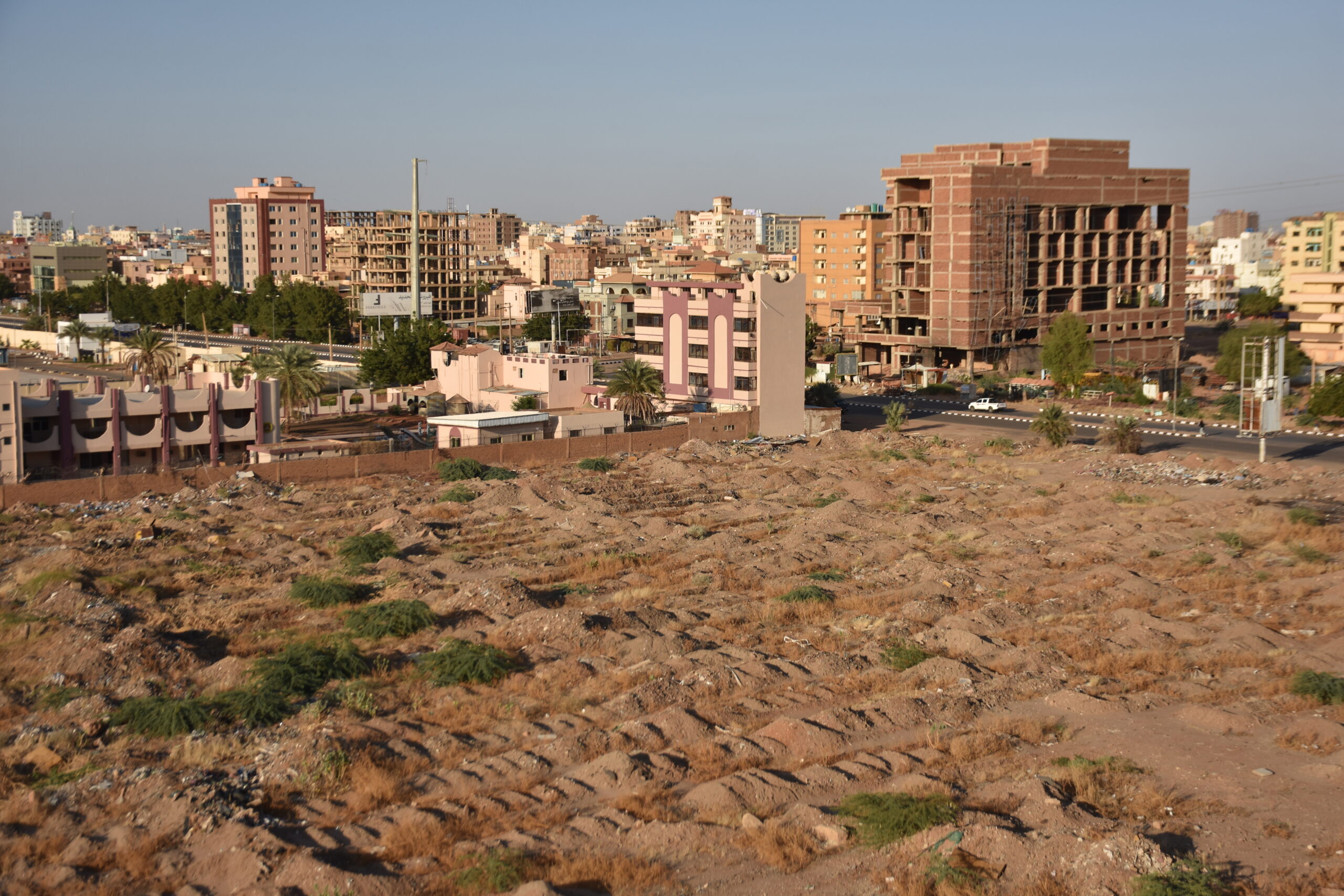
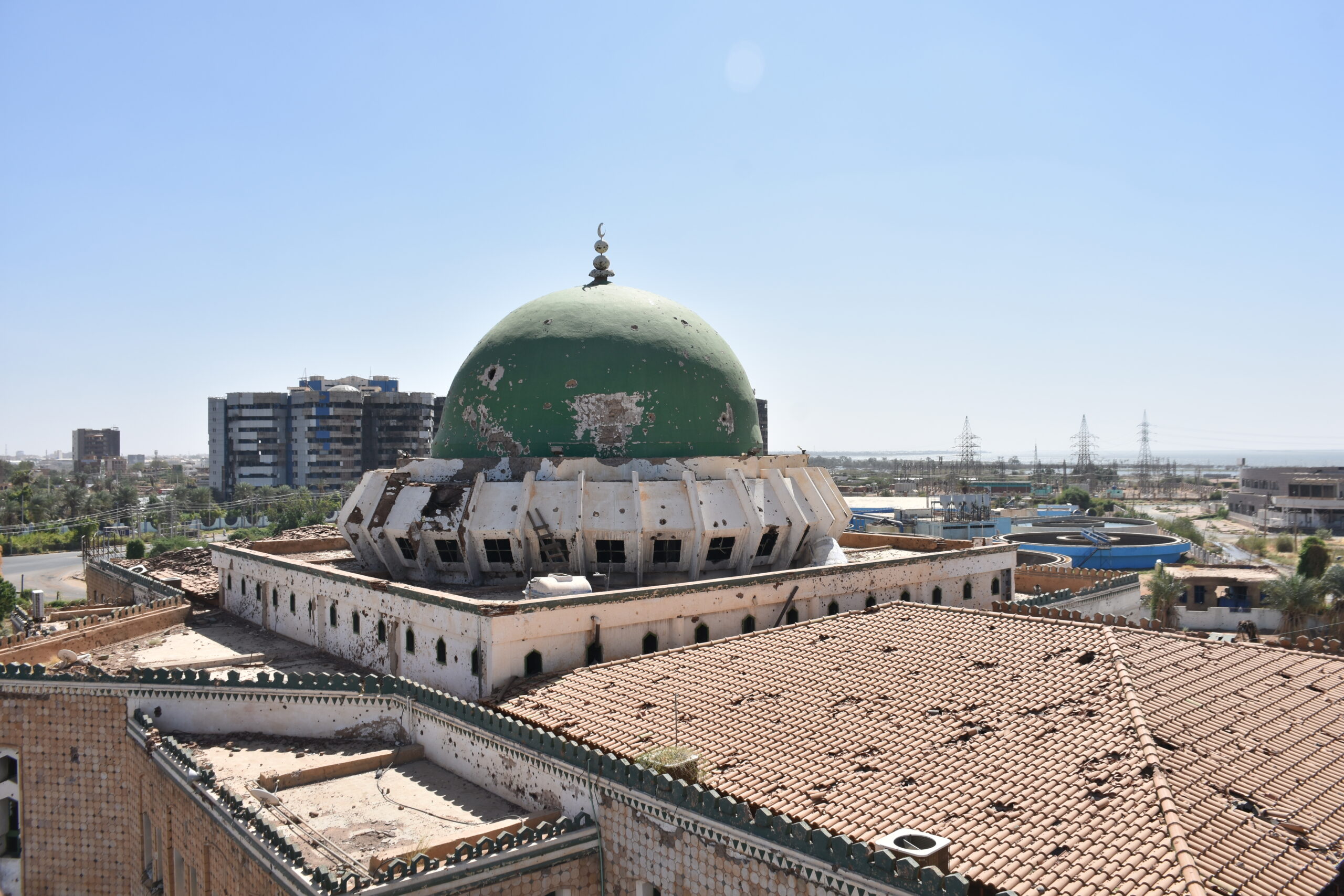
As of April 15, 2026, the war in Sudan has entered its fourth year. Three years is sufficient for a conflict to evolve from a temporary crisis into a structural order — indeed, into a self-reproducing war economy. During this period, the struggle in Sudan has deepened not only across military front lines but also through economic networks, supply chains and revenue-generation mechanisms. ORSAM’s field-based monitoring data show that the conflict has gradually spread into rural areas, civilian casualties have increased, and a sustained concentration of violence has emerged, particularly along the Darfur-Kordofan axis. In this context, by its third year, the war in Sudan has transformed from a conventional civil war into a multilayered political-economic struggle.
From state collapse to war economy
The first year of the war was marked by the rapid erosion of state capacity following the attack by the paramilitary Rapid Support Forces, or RSF, led by Mohamed Hamdan Dagalo, against the Sudanese Armed Forces, or SAF, under the leadership of Abdel Fattah al-Burhan. Fighting concentrated in the capital, Khartoum, led to the dysfunction of public institutions and the collapse of central revenue distribution mechanisms. This process detached the financing of the war from the conventional state budget and redirected it toward alternative and largely informal sources.
By the second year, the conflict had shifted away from its Khartoum-centered nature and moved toward the Darfur and Kordofan regions. This development represented not only the geographic expansion of the war but also the restructuring of its economic logic. At this stage, the gold trade, taxes collected at border crossings, and levies imposed on logistical routes became the primary sources of wartime revenue. Meanwhile, gum Arabic, less visible but highly valuable in volume, emerged as another significant component of the conflict economy. The looting of approximately 3,700 tons of gum Arabic during the first half of 2024, representing an economic value worth millions of dollars, constitutes one of the clearest indicators of this transformation.
By the third year, the war in Sudan had evolved into a structure characterized by intensified fighting centered on South Darfur and Kordofan, fragmented zones of territorial control, and localized revenue-generation mechanisms. Control over a given region no longer signifies only military superiority; it also means control over the trade passing through that region, the commodities transported via specific routes, and the revenue generated through these processes. This has tied the sustainability of the war directly to economic capacity.
Geography, supply chains, and revenue flows
The most significant transformation in the third year of the Sudan war has been the strengthening of the direct relationship between territorial and economic control. The South Darfur-Kordofan axis has become not only a zone of intense fighting but also an economic corridor where gum Arabic production areas intersect with critical trade routes. In this regard, the RSF’s control over production zones and transit routes in these regions has provided it with a decisive advantage within the war economy.
In contrast, the SAF have sought to maintain economic balance by controlling alternative trade and logistical corridors, particularly in the northern and eastern parts of the country. However, this competition has generated a fragmented and multilayered revenue system rather than a centralized economic order. In this system, revenue derived from transit routes is more decisive than production itself. In other words, the war economy in Sudan is based less on a “production economy” than on a “transit economy.”
Another consequence of this transformation has been the rerouting of supply chains. As direct exports from Sudan have declined, products are increasingly being relabeled and re-exported through neighboring countries. This process weakens traceability of origin and allows the conflict economy to integrate into the global system in a more concealed manner.
Another striking feature of the past three years has been that local producers have not experienced proportional income gains despite the increase in global prices. For example, although the international price of gum Arabic has risen significantly — between 50% and 100%, depending on the source — these increases have not been reflected in producers’ earnings because of security costs, intermediaries, road tolls and looting. This reflects one of the fundamental characteristics of war economies: While actors at the upper levels of the value chain profit, those engaged in production remain the most vulnerable segment. Consequently, rising prices do not translate into rising prosperity within a war economy; rather, they deepen existing inequalities.
Gum Arabic and the global dilemma
Because gum Arabic is a critical input for the food industry, particularly in soft drinks and confectionery, as well as for the pharmaceutical and cosmetics sectors, it holds strategic importance in the global economy. This creates a dilemma for international actors: On the one hand, access to gum Arabic remains essential; on the other, the connection between its supply chain and the conflict economy creates serious ethical and political risks.
In response, global companies and importers have sought to diversify their supply sources, particularly through other Sahel countries. However, as the Sudan case demonstrates, the relabeling of products through neighboring states limits the effectiveness of these efforts. This, in turn, enables the conflict economy to maintain its indirect integration into global markets.
Conclusion
Looking at the three-year trajectory of the Sudan war, it appears more likely that the conflict will evolve into a low-intensity but persistent structure rather than come to an end in the short term. The diversification and localization of the war economy allow the parties to preserve their financial capacity, thereby encouraging the continuation of the conflict. Nevertheless, international interventions targeting supply chains or changes in regional power balances could potentially weaken this economic structure. Yet, as long as external support for paramilitary groups continues, the most likely scenario remains the continuation of a fragmented conflict order in Sudan, sustained through divided territorial control and economic interests.
The picture that has emerged after three years in Sudan shows that the nature of the war is increasingly shaped by economic parameters. What matters now is not only military capacity but also the ability to generate revenue, control supply chains and manage economic networks. In this context, alongside gold, commodities such as gum Arabic, which may appear secondary at first glance, have assumed a critical role in financing the war. Therefore, understanding and addressing the conflict in Sudan requires going beyond military dynamics and analyzing the political economy of war. Unless this dimension is taken into account, humanitarian aid and diplomatic initiatives will remain insufficient to transform the structural foundations through which the conflict continues to reproduce itself.