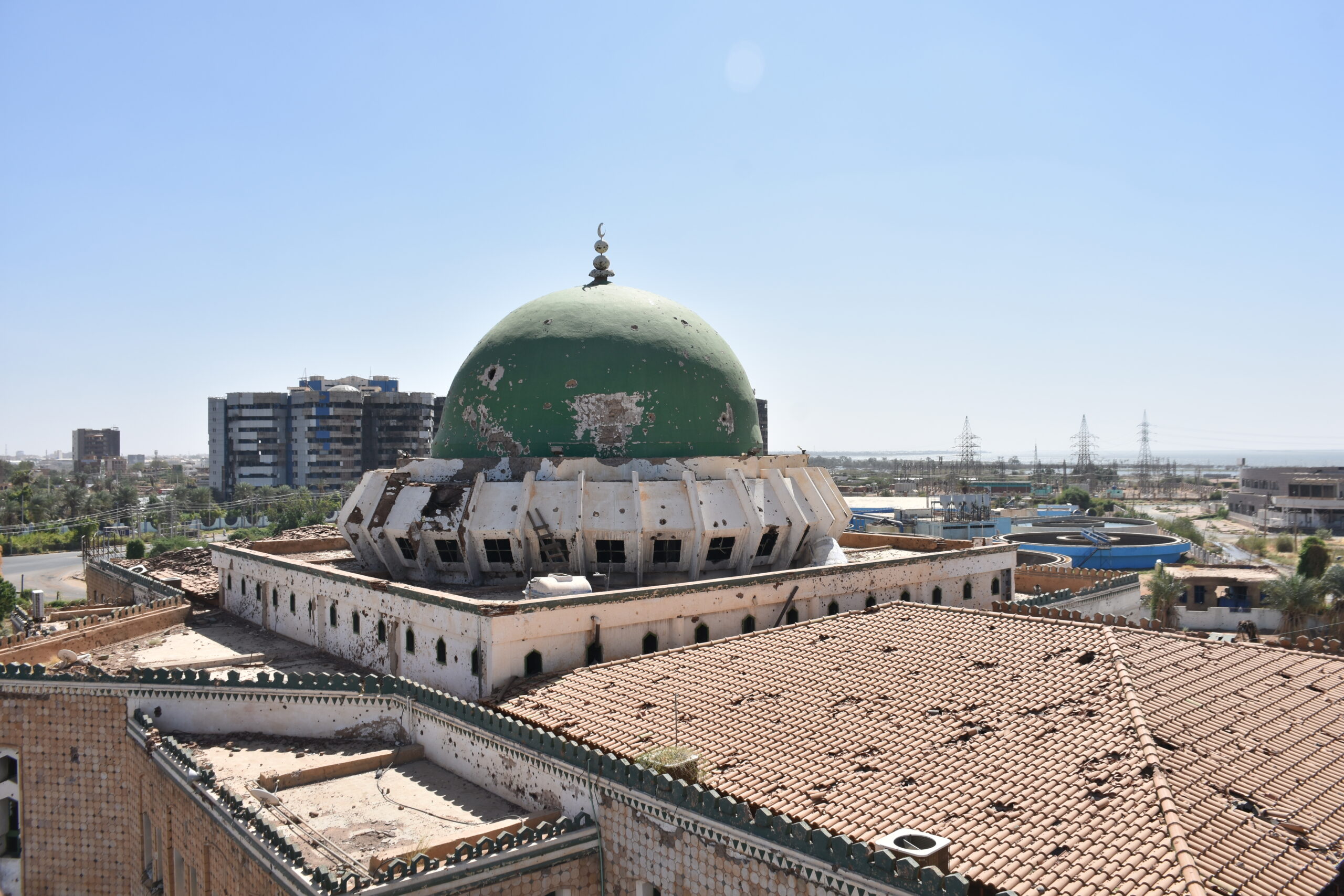
The district of Talafar is a strategic Turkmen settlement located in the northwest of Nineveh province in northern Iraq. The district possesses unique characteristics both in terms of its social structure and the influence of that structure on political preferences. In particular, ongoing debates over whether Talafar should become a province, and the associated campaigning during election periods, have given the district a political atmosphere that is more distinctive than in other parts of Iraq. This local dynamic could offer an advantage in representation if a special electoral list were established for Talafar in Nineveh elections. The demand-promise relationship observed during the electoral process, along with candidate profiles and election outcomes, will not only facilitate understanding of local balances but also allow for an analysis of Talafar’s distinctive political structure.
Pre-election atmosphere in Talafar
In the pre-election period, prominent candidates in Talafar included Iraq’s Defense Minister Thabit al-Abbasi, Khalil Muhammad Mola, Mukhtar al-Musawi, Riyad Muhsin Shihlar, Nureddin Kaplan, Zuleyha Bekkar, Sacide Efendi, Aide Muhammad Ali al-Kasap, and the district’s governor, Khalil Mohsen al-Habish. Considering local political dynamics, the influence of the tribal-based social structure, and favorable public perception, these individuals were regarded as candidates with a high potential for success. Indeed, some of these candidates had become trusted figures in the public eye, thanks to their roles within the Iraqi bureaucracy and their visibility in the district’s social and political life.
As of Oct. 3, 2025, the election campaign period had officially begun in Talafar, as it had across the country. During this period, candidates’ use of notable campaign methods emerged as a significant development. Examples included presenting infrastructure services, such as road paving, or free maintenance work in certain neighborhoods as campaign tools. Offering vocational courses, such as tailoring and barbering, free of charge also drew attention as another method aimed at voters. Additionally, promises to grant Talafar provincial status became one of the most emphasized themes of the campaign period.
The election atmosphere had a noticeable impact on the district’s economic activities. Pre-election economic uncertainties led local merchants to postpone their commercial decisions. Individuals who intended to purchase vehicles or engage in land transactions delayed these actions due to uncertainties that could arise from the election results. This situation demonstrated that the election period had created a slowdown in the markets and that economic expectations were shaped by political developments.
During the election period, allegations emerged that some candidates had attempted to buy votes in exchange for money. It was frequently noted in the public discourse that socioeconomically disadvantaged voters compared the material promises offered by candidates and based their voting preferences accordingly.
Security assessments of the election period indicated that no public order issues arose in connection with the elections. During the review period, no significant security violations that could disrupt public order were observed during election campaigns, propaganda activities, or the voting process. This situation demonstrated that local security forces had maintained their capacity to monitor the election period and that the overall election atmosphere remained generally stable.
Election day in Talafar
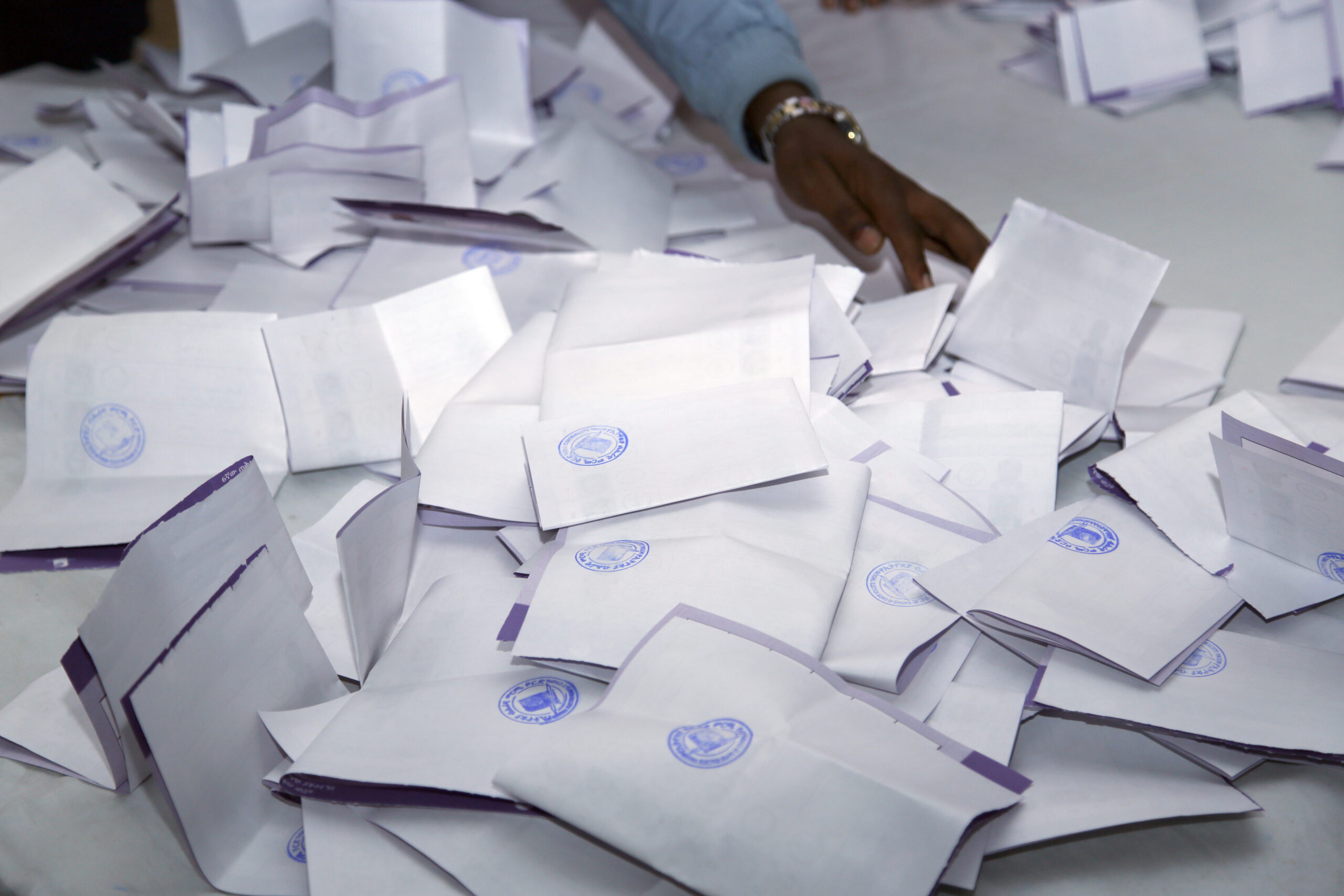
In the elections held on Nov. 11, voter turnout during the morning hours (7 a.m. to 12 p.m.) was observed to be approximately 20% to 25%. The main reasons for this low early turnout included the early start of voting, the day being an official holiday, and voters’ tendency to use this time for rest. However, after midday, turnout increased significantly, reaching an estimated total of around 70%. Across Nineveh, overall participation was recorded at 64.07%. By comparison, in the 2021 Iraqi parliamentary elections, voter turnout in Nineveh was approximately 42%.
A review of the total votes cast in Talafar showed that 101,785 ballots were used, closely aligning with the observed turnout rates. Additionally, according to information obtained from the Talafar office of Iraq’s Independent High Electoral Commission (IHEC), approximately 120,000 voter cards were renewed, and 93% of these reached the voters. This indicated that participation in the election process was high and that voters demonstrated significant engagement.
Another notable aspect of the election process in Talafar was that female voters participated at higher rates than males. In terms of spatial distribution, Hasan Village and the Green District (Hadra) showed high levels of participation, whereas the Qadisiya neighborhood exhibited lower turnout. Thus, it was observed that socioeconomically disadvantaged neighborhoods tended to participate more actively in the elections.
Election results and candidate-level distribution in Talafar
Following the announcement of election results by the IHEC, attention focused on the leading candidates in Talafar. The leader of the Hasim Coalition, Thabit Abbasi, won the district with 19,920 votes. However, among candidates with the second-highest vote totals, some were unable to win due to the fragmented distribution of votes. Halil Muhammad Mola, the candidate of Prime Minister Mohamed Shia Sudani’s Reconstruction and Development Coalition, received a high number of votes but did not secure a victory. Other high-vote candidates who were unsuccessful included Mukhtar al-Musawi with 11,599 votes, Zuleyha Bekkar with 5,045 votes, Riyad Muhsin Shihlar with 4,816 votes, Musa Dahil Levant with 3,913 votes, and Aide Muhammad Kasap with 3,403 votes.
Examining the election results centered on Talafar, the ranking of coalitions emerged as follows: Hasim Coalition, Reconstruction and Development Coalition, the Badr Organization, and Taqaddum. The primary reason that only one parliamentary seat was won in Talafar, despite the district generally being allocated four seats, was the competition among 44 candidates. The high number of candidates drew attention and was noted as having a negative impact on the local election process. Another important factor was that multiple candidates came from the major Turkmen tribes, along with internal divisions within these tribes. This led to a fragmentation of voter preferences, effectively dividing votes and, in a sense, penalizing candidates within their own communities. Moreover, the election results demonstrated the influence of candidates’ and voters’ sectarian affiliations on outcomes. This highlighted that the political and social structure in Talafar was shaped by both tribal and sectarian dynamics.
A review of the profiles of the 44 candidates from Talafar indicated that more than half of them had little chance of being elected. Nevertheless, for some candidates, the pursuit of financial support from their party or the goal of receiving more than 2,000 votes — driven by ambitions to obtain positions such as general directorates, parliamentary advisory roles, or other political appointments within the party’s allocated quota — negatively affected the election results.
This situation was directly related to candidates not uniting under a single umbrella or running on a joint list, instead participating in a fragmented manner. Had the candidates competed as a unified list, the likelihood of electing four parliamentary representatives from Talafar would have been considerably higher, taking advantage of the electoral system’s benefits. This observation underscores that the large number of candidates and the lack of strategic unity were decisive factors influencing the election results.
Expectations
The nationwide Iraqi elections held on Nov. 11 provide an important example of the political competition and local social dynamics in Talafar. Despite the district’s population size, it was represented by only one parliamentary seat, making the election, contested by a total of 44 candidates, highly competitive and fragmented. Candidate profiles were largely shaped by tribal affiliations, the presence of multiple candidates from the same tribe, and sectarian differences, which influenced voter behavior and hindered the development of a unified political stance.
The lack of strategic planning, impulsive approaches, and a weak culture of consensus among political actors in Talafar significantly limited the district’s capacity to represent its interests. With a population exceeding 500,000, Talafar was represented by only one parliamentary seat, which made the rational management of political competition necessary. However, the existing fragmented candidacy structure hindered the effective exercise of this representation. As a result, Talafar was unable to achieve an optimal level of political influence both in national decision-making processes and in advancing local demands.