The weeks following the revolution in Syria in Dec. 2024 were marked, as may be recalled, by debates centered around the authenticity and sincerity of the ideological transformation undergone by the military groups led by Hay’at Tahrir al-Sham (HTS) and its leader Ahmed al-Sharaa, who carried out the revolution. During these discussions, one of the most frequently raised questions was whether the transformation encompassed all the fighters within these groups. Had the transformation occurred only among the leading cadres of HTS, such as al-Sharaa, or was it also valid for all the military groups acting alongside HTS and the fighters within them? If not, wouldn’t this pose a risk of certain divisions in the near future? And wouldn’t such divisions lead the country back into a new environment of conflict?
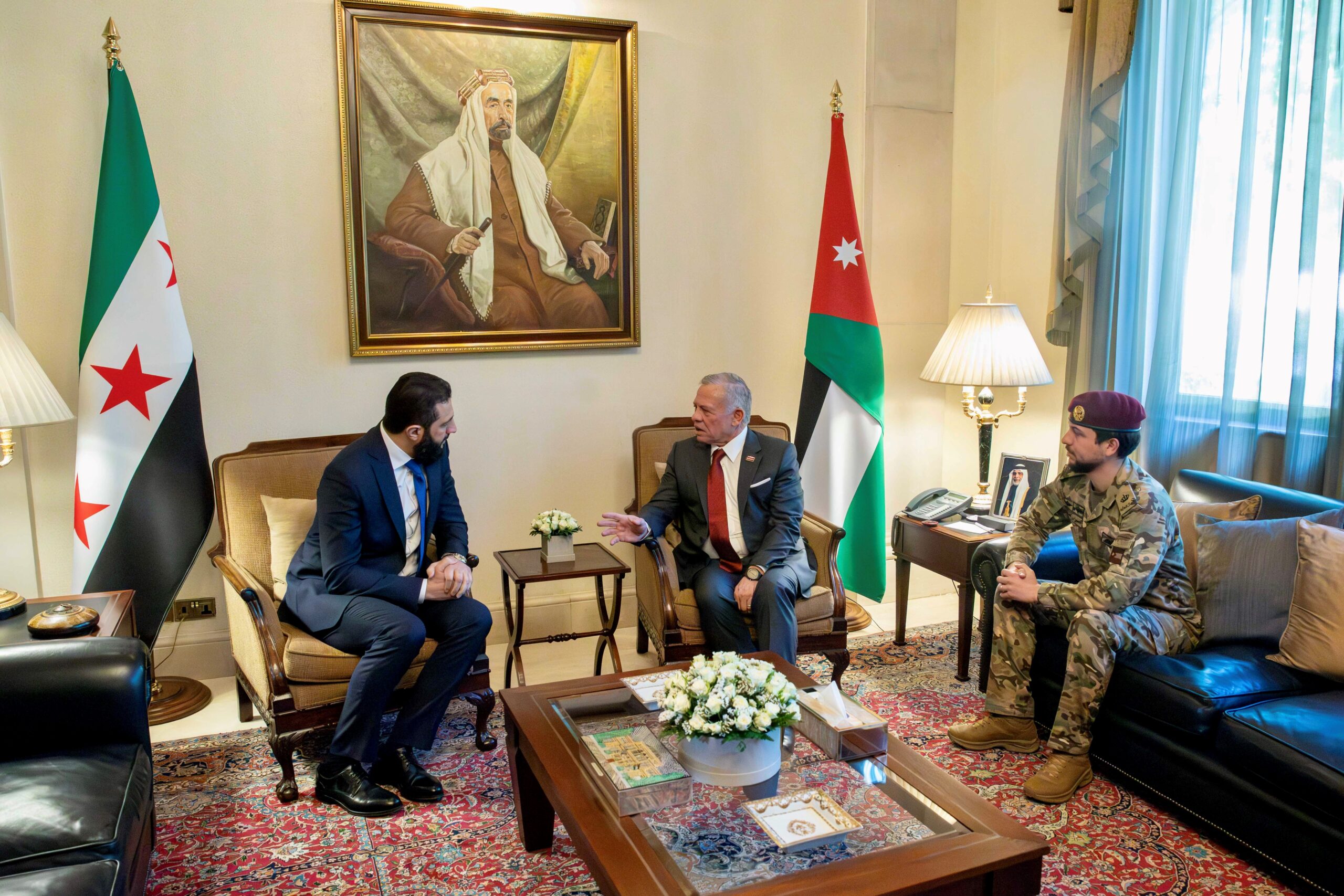
Revolution leader al-Sharaa also appeared to be fully aware of all these questions and concerns, as he was careful not to exclude those who had carried out the revolution alongside him after coming to power in its aftermath. He appointed individuals he had worked with in the Idlib administration to key positions in the post-revolution government and sought to integrate the military groups into the newly established central army of the country. In a sense, these efforts seemed to reflect a reasonable strategy on al-Sharaa’s part to include all revolutionaries in the ideological transformation. Otherwise, those left out might have felt alienated from the process, become disillusioned, and thus remained within the rigid ideological framework shaped during the civil war. This, in turn, could have led to Shara and the new administration being questioned within the framework of jihadi-Salafi political doctrine and risked perpetuating the conflict in the country. Nevertheless, despite some domestic opposition questioning his inclusiveness, the new administration under al-Sharaa remained committed to this strategy.
The civil war in Syria, which lasted for nearly thirteen years, had been instrumental in shaping the ideological worldview of the country’s opposition military groups around a jihadi-Salafi doctrine. After the revolution, however, loosening this rigid religious-political framework presented a difficult and time-consuming challenge for the new leadership. Meeting this challenge required a charismatic leadership that was both trusted and respected. Only under such a leader could the transitional process enable a transformation among a population that had long fought under strict ideological convictions. Indeed, the first six months following the revolution offered a model in which such leadership largely managed to keep this population under control and integrate them into the transformation process. So much so that, during this six-month period, there was no significant opposition or dissent — neither from within HTS nor among its allied factions — positioned in a more conservative stance against al-Sharaa or the new administration.
On the other hand, as noted above, this journey of transformation appears to be a long and difficult one. Every development along the way carries the potential to undermine the new structure in a country where the process of institutionalization and state-building remains incomplete, both ideologically and structurally. Some groups still hold onto unresolved religious-political doctrinal sensitivities, which continue to pose the risk of reactivating certain fighters. It is evident that al-Sharaa and the new administration will face such challenges, particularly in the policies they adopt during the state-building process and in their efforts to integrate into the international system. Indeed, a clear example of this occurred recently when, following al-Sharaa’s meeting with U.S. President Donald Trump in Riyadh, DAESH targeted him in its weekly publication Al-Naba, calling on foreign fighters in the country to join their ranks — an indication of the ideological resistance still at play.
The principle of al-wala’ wa’l-bara’ (the concept of loyalty and disavowal) — which refers to aligning oneself with Muslims while cutting off all ties with non-Muslims, distancing from them, considering them enemies, and even harboring hatred toward them — has long been one of the most dominant theopolitical doctrines of the radical Salafi ideology represented by groups such as al-Qaeda and DAESH. Within these organizations, the boundaries of engagement with the “other” have been defined strictly in accordance with this principle. In fact, under DAESH, the scope of this “other” based on the doctrine expanded beyond just non-Muslims to include all individuals and groups who did not share their worldview — including other Muslims. According to this perspective, it is absolutely unacceptable for a Muslim leader to enter into any form of alliance or relationship with non-Muslim actors.
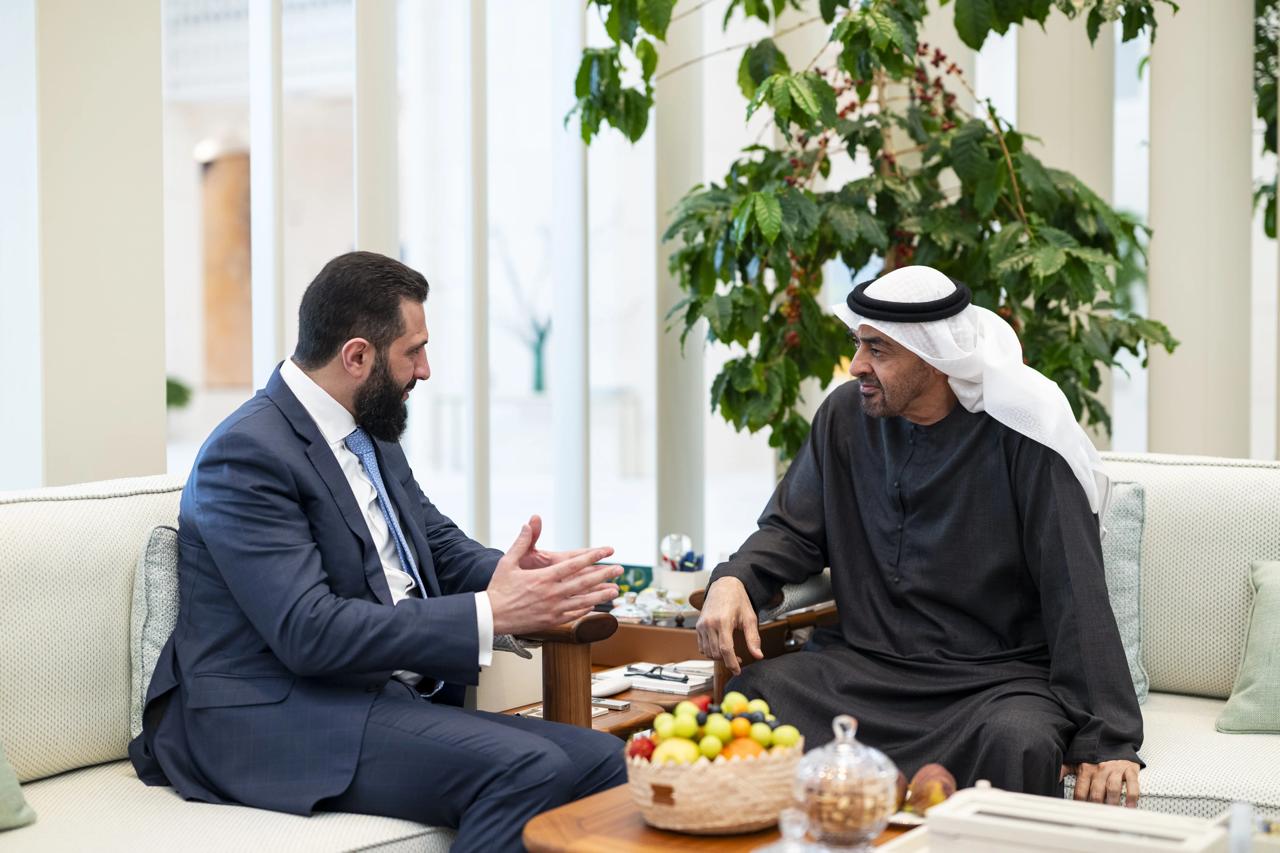
Within the context of the exclusionary nature of Syria’s prolonged civil war, the ideological framework that shaped some fighters poses a significant challenge for al-Sharaa and the new administration — particularly in terms of their international diplomatic engagements. These engagements, which are crucial for establishing the new government’s legitimacy, are harshly criticized by radical groups like DAESH from this particular theopolitical perspective. Moreover, fighters who had previously subscribed to this ideology are being targeted by such groups with the aim of recruitment. As mentioned earlier, the article in Al-Naba, DAESH’s official publication, condemned al-Sharaa’s meeting with Trump as a violation of the al-wala’ wa’l-bara’ principle. In the article, al-Sharaa is accused of abandoning the “Nation of Abraham” — a concept used in jihadi-Salafi literature to define the Muslim community — in favor of participating in the Abraham Accords, thereby “reinforcing the protective walls of the Jewish state.” The piece also emphasized that, through his agreement with Trump, al-Sharaa had allegedly betrayed the foreign fighters he once fought alongside in order to protect his own interests. Furthermore, a strong call was issued in the article inviting these foreign fighters to join DAESH.
In sum, all of this demonstrates that the nation-building process being carried out under al-Sharaa’s leadership — along with the ideological transformation intended to extend across all ranks — must be recognized as a long-term endeavor. Demanding that the new administration or al-Sharaa himself join the Abraham Accords or expel foreign fighters with whom they have fought for years, without accounting for the residual complexities of Syria’s civil war, is disconnected from the realities on the ground. Western countries, in particular, many of which have long viewed the Syrian conflict primarily through the lens of DAESH, must avoid pressuring the new government on such sensitive matters if they wish to prevent the resurgence of similar extremist groups in the region. Instead, they should allow time and space for the Syrian administration to manage these issues internally. Otherwise, sidelining fighters whose mindsets and ideological orientations were shaped by thirteen years of brutal conflict risks playing directly into the hands of DAESH, which continues to seek opportunities to recruit and reestablish itself in the area. Therefore, it is essential that all international actors adopt a multidimensional perspective when formulating demands and conditions in their relations with Syria.