A century ago, under the Ottoman Empire, Iraq was divided into three provinces. After the fall of Mosul, on June, the country stepped further toward the return to that situation. In this brief article I argue that the fall of Mosul contribute positively into Turkey and the KRG relationship.
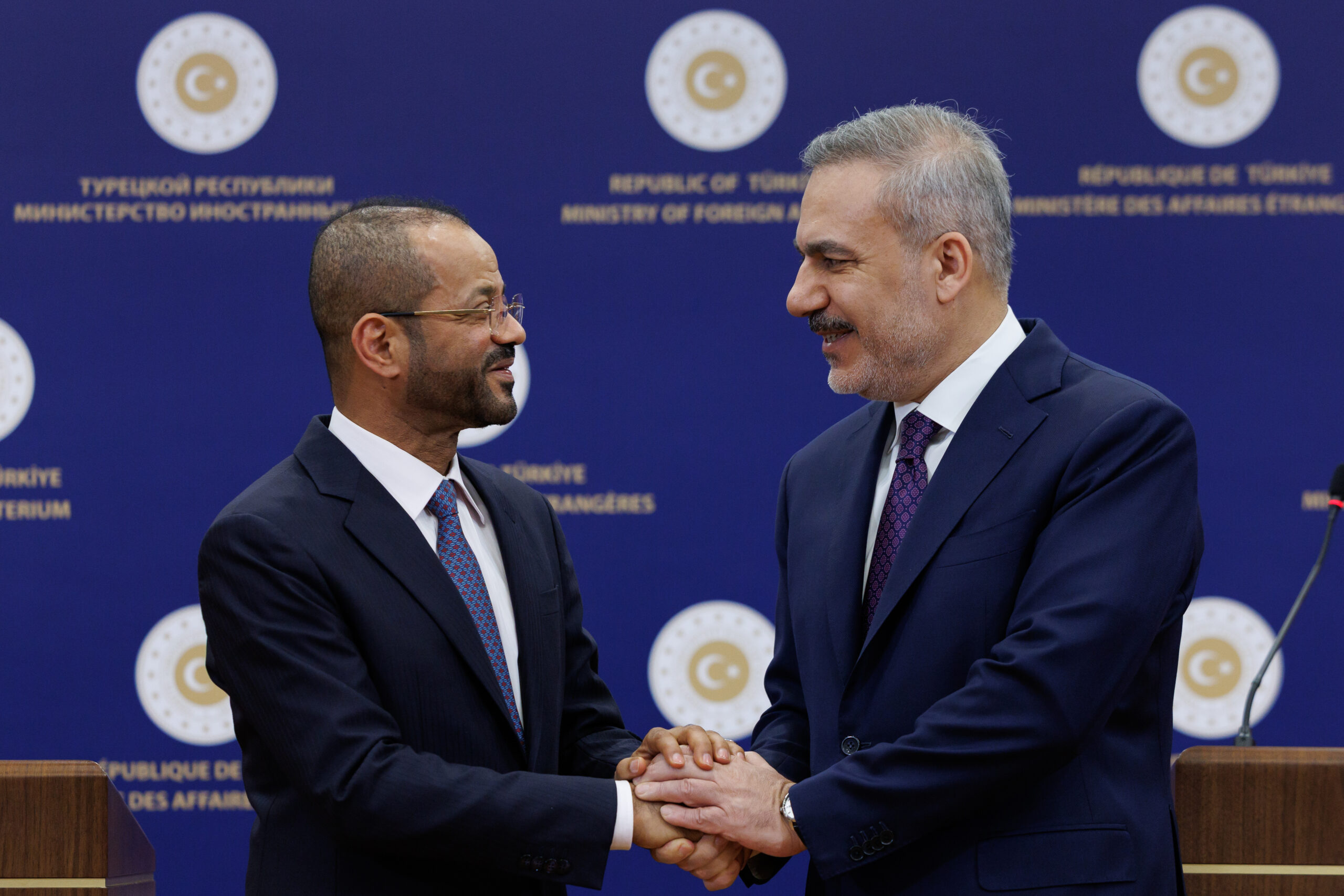
The fall of Mosul will deepen and strengthen Turkey and the Kurdistan regional Government (KRG) relationship. If in the past, factors such as peace, trade and balance of power shaped Turkey and the KRG relationship, the fall of Mosul will add another factor. It is no secret that the KRG desires more presence and influence within Iraq and the whole Middle East region. On the other hand, Turkey at the same time desires more and more influence in the world and particularly in the Middle East. It is only through a strong influence in the Middle East Turkey can become a strong power on the global stage. Kurds are playing essential role in Turkey’s Middle East policy. This is a marriage of convenience and a paradigm shift in Turkey and the KRG relationship. The KRG emerged when the centralist government lost its grip on the territory of the country. As a result, Iraq changed from a Soviet style centralist to a failed state. This situation prepared the ground for the emergence of the federal Iraq. Turkey, for a long time, like many other international powers, supported a centralist unified Iraq. This fixated view stressing on preservation of Iraq’s territorial integrity shattered Iraq’s societal cohesion beyond repair. Turkey’s stand appeared more ideological than looking after Turkey’s interests (It is worth mentioning that nowadays the two main oppositional political parties in Turkey maintain this rather obsolete view).
In the early year of post Saddam era, Turkey realised that it is impossible to have one policy toward Iraq. The latter required a package of policies, addressing different components of the country and their different interests. The fall of Mosul distances the disparate Iraqi groups more from each other. It is a harsh geopolitical fact: the more chaotic Iraq, the closer Turkey and the KRG. This conclusion was based on certain reasons. With the emergence of the Islamic State of Iraq and al-Sham (ISIS) the landscape of power changed in Iraq undyingly. The ISIS is media’s favourite name for an almost uncountable mélange of Sunni militant groups. The Sunni groups primarily are nationalist (Baathists) and Islamists. Neither of these groups is willing to share power with others nor with each other. These are all factors of instability in the region. But both ISIS and the Baathists are exclusively Sunni community based groups, therefore, currently aiming to hold the ground and govern the Sunni community. We are witnessing purification process (ethnic cleansing) when Shia Arabs and Turkmens are forced to migrate from the ISIS dominant area to the south of the country, while in other places the Sunni are fleeing. This relocation and forced migration was part of making a new Iraq for the last few decades; Kurds were the first victim of it. Iraq is becoming three purely demographically different spaces. Moreover, each community demand to be autonomous and ruled by themselves. This indicates Iraq is dividing into three different groups of people who reject to be governed by member of different groups: a total rejection of any sense of multiculturalism. As a result, Iraq becomes a country with three different cultures, sects, languages, and ways of life. This makes Iraq a limited geographical expression without any civilisational unity.
In this case, Turkey and the KRG are pushed toward each other for different reasons. If in the past the PKK was the factor that initially distanced the two sides and later on brought them closer to each other, today the ISIS is contributing into the relationship in a similar manner. The ISIS is a problem for Iraqi Sunni, Shi’a, Kurds and Turkey. Only through closer relation with the KRG (and Kurds in Rojava) Turkey can secure its border and maintain its interest in the region. Kurds in Iraq and Syria contribute to securing more than ninety present of Turkey’s border with the troubled areas in the Middle East. Thus, it is clear that the stronger the Kurds the more secure Turkey’s borders and better markets. While Iraq is heading toward more de facto confederation, Turkey and the KRG have many shared interests to pursue. In near future the Sunni of Iraq, for geographical and cultural reasons, will become part of Turkey’s strategic depth via Kurds. This makes Turkey stronger player inside Iraq’s territory. Through this, Turkey can influence the whole Iraq indirectly. For Turkey to maintain its dynamism as a trading state, in a time when the region experiencing a moment of remaking, the deeper the strategic depth the more pivotal the country will become.
Iraq constitutionally was divided into three parts: federal Kurdistan, disputed areas and the rest. Today Iraq is experiencing more divisions. If the Kurds took ownership of ‘the disputed area’, the war is between Shi’a and Sunni over gerrymandering of the whole country.
These days the KRG parliament is in a process of issuing new legislations as to how to govern the new part of the Region. Among these legislations one focuses on the right and duties of different communities within the new KRG. The legislation will grant full rights and recognition of other communities which makes the KRG a multicultural community. The Iraqi Turkmens are benefiting more than others. They eventually end up to be the second ethnic group in the Region, which grants them more rights and influences. This is another factor that will add into the stronger Turkey and the KRG relationship.