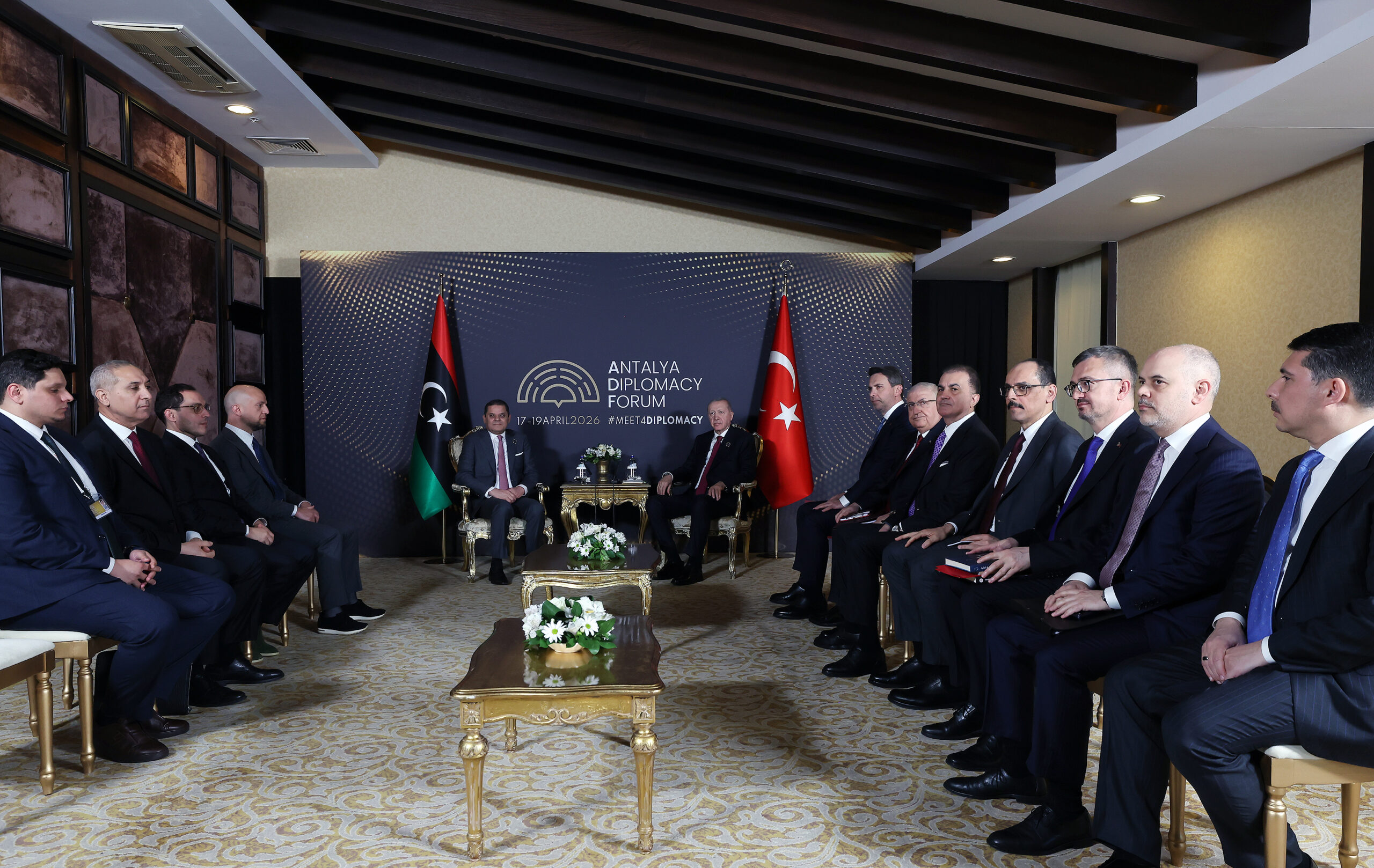
President Recep Tayyip Erdoğan’s visit to Kuwait, Qatar, and Oman from Oct. 21-23, represented one of Türkiye’s most carefully structured diplomatic engagements toward the Gulf in recent years. The three-day trip unfolded at a time when the region is under intense political and security pressure because of the ongoing war in Gaza. Türkiye approached the tour with clear bilateral and multilateral priorities: expanding economic partnerships, developing defense industry cooperation, deepening political coordination, and anchoring its presence more firmly within Gulf security. The visit carried both practical and symbolic weight, producing investment agreements, defense cooperation frameworks, and a shared political stance on one of the region’s most urgent issues — the fragile cease-fire in Gaza. The three-day tour followed a planned route. The delegation began the visit in Kuwait City on Oct. 21, continued to Doha on Oct. 22, and concluded in Muscat on Oct. 23. Each stop in the Gulf capitals carried a distinct focus. Kuwait offered an entry point for discussions on trade, investment, maritime cooperation, and energy issues. Qatar centered on strategic coordination, defense industry partnerships, and consolidating already strong political dialogue. Oman provided a platform for longer-term conversations about logistics, connectivity, and energy corridors linking the Gulf to the Mediterranean and the Indian Ocean. The trip allowed Türkiye to link immediate economic deals with medium-term strategic objectives, moving step by step from defense cooperation and joint regional vision.
Kuwait
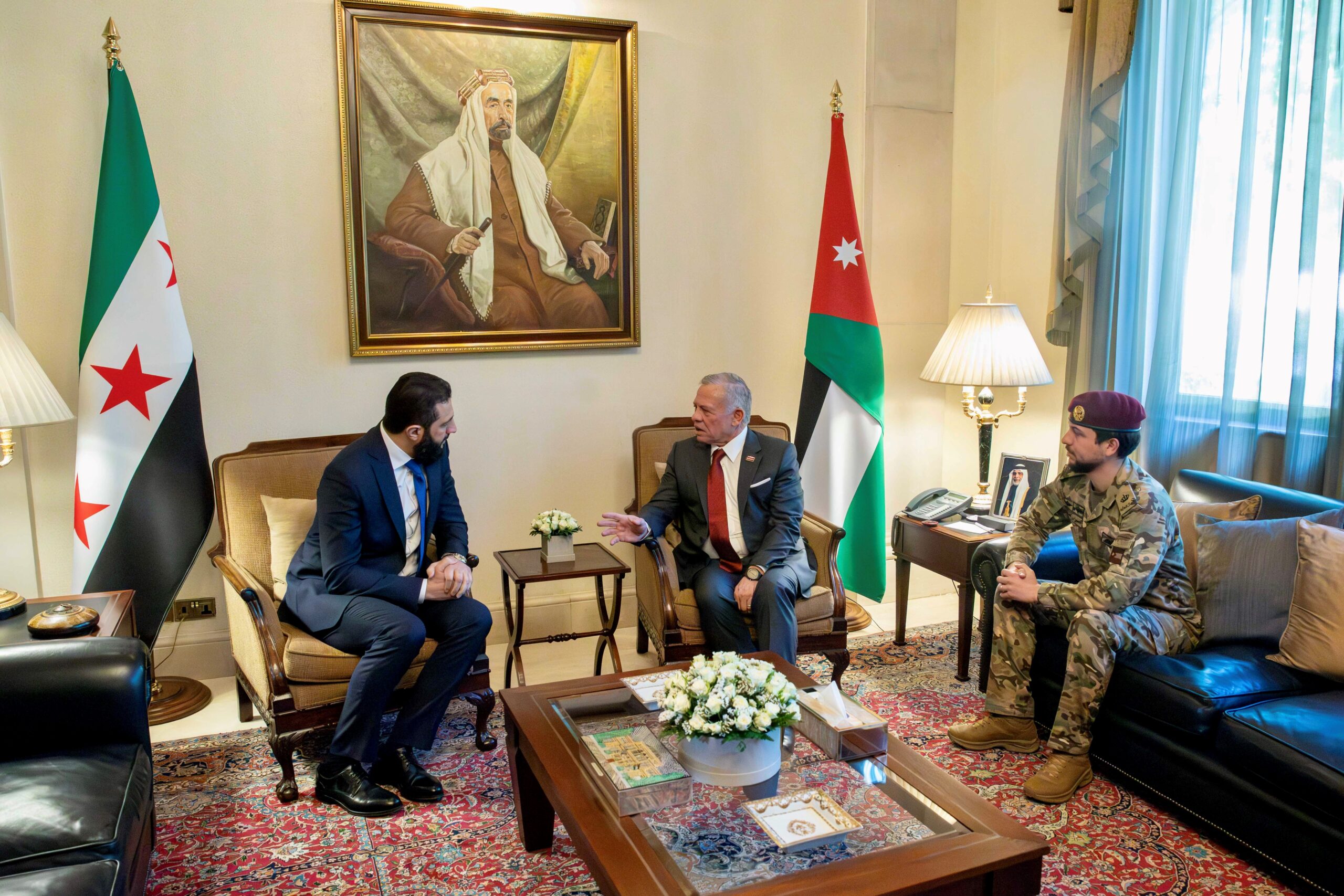
The Kuwait leg of the tour set the tone for the rest of the trip. Türkiye and Kuwait already maintain strong relations, and Kuwait’s emir visited Türkiye in 2024. During the recent visit, President Erdoğan and the Kuwaiti Emir Sheikh Meshal al Ahmad oversaw the signing of several key agreements. These included a maritime transport agreement and mutual recognition of seafarers’ certificates between the Turkish Ministry of Transport and Infrastructure and the Kuwaiti Ministry of Interior; a memorandum of understanding (MoU) on cooperation in energy and renewable energy between the two countries’ energy ministries; and an investment framework between Türkiye’s investment office and Kuwait’s direct investment authority. The agreements reflected a shared commitment to deepen economic ties in tangible ways. The two countries have set a goal of reaching $4 billion in bilateral trade. In addition to these agreements, President Erdoğan and Kuwaiti officials discussed the war in Gaza. Both sides called for support for humanitarian access and a ceasefire, showing that Kuwait’s traditionally cautious diplomacy finds more space to align with Türkiye on sensitive regional issues. For Türkiye, Kuwait represents both a stable source of Gulf capital and a partner with a moderate, non-confrontational foreign policy. This combination makes it attractive for Türkiye as it seeks to widen its Gulf engagements in both economic and security terms.
Qatar
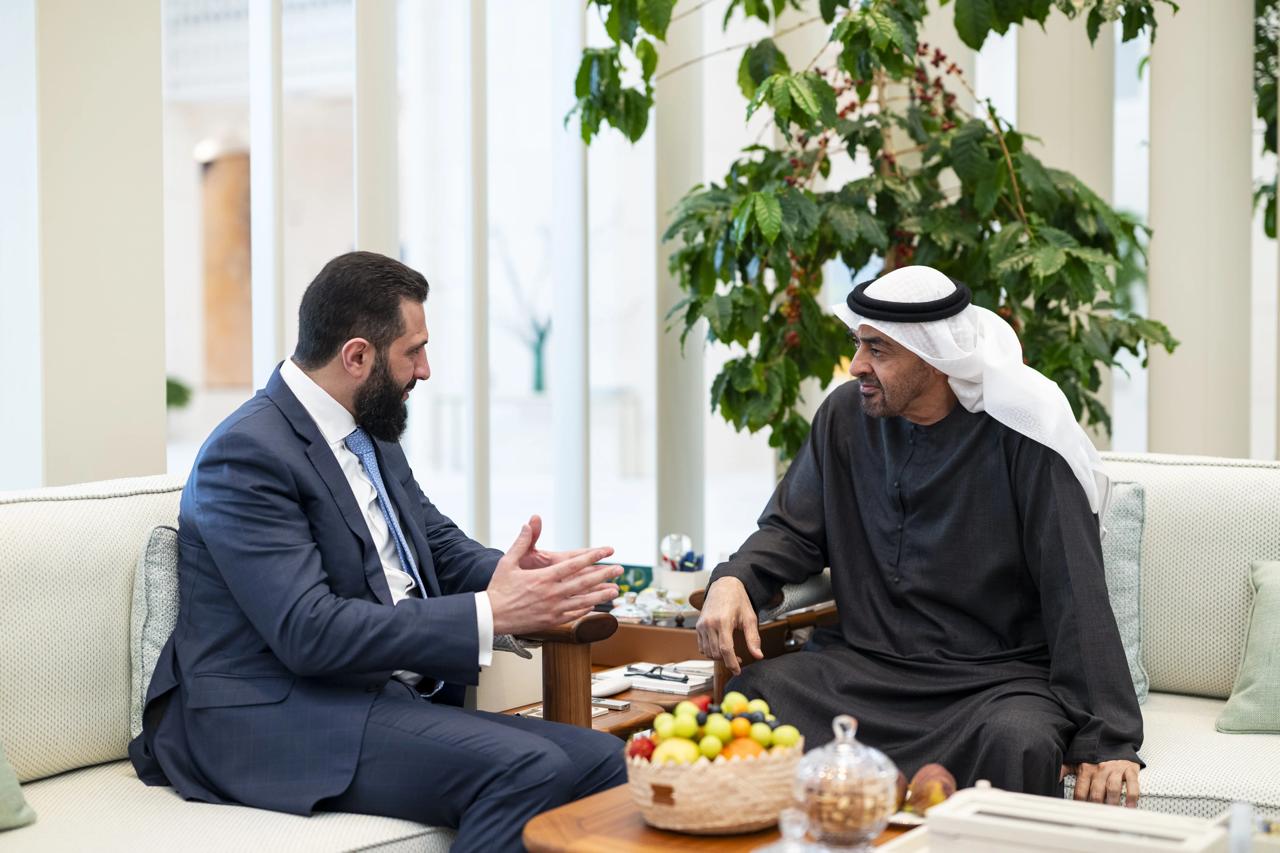
The Qatar visit carried the greatest strategic weight of the three stops. Erdoğan and Emir Tamim bin Hamad Al Thani co-chaired the 11th meeting of the Türkiye–Qatar High Strategic Committee, a mechanism established in 2014 that has steadily expanded cooperation between the two countries. During the meeting, Türkiye and Qatar signed a joint declaration, trade agreements, a MoU on strategic planning, and, most importantly, a new defense industry cooperation agreement between Türkiye’s Defense Industry Agency and Qatar’s Ministry of State for Defence Affairs. The agreement builds on an already strong relationship that includes a Turkish military facility in Qatar and joint training programs. Ankara and Doha aim to move beyond “the buyer–seller model” toward joint production, research, and technology transfer. In parallel, they also expanded economic cooperation through discussions on energy, infrastructure, and advanced technologies.
Politically, Erdoğan and Qatari Emir used the meeting to reinforce their shared position on Gaza. Both leaders emphasized their commitment to supporting Palestinians, protecting and maintaining the ceasefire, and pushing for a political solution based on a Palestinian state. This stance reflects not only moral alignment with the cause but also strategic calculation: Gaza provides a common diplomatic language that allows Türkiye and Gulf states to coordinate in the face of broader geopolitical shifts.
Oman
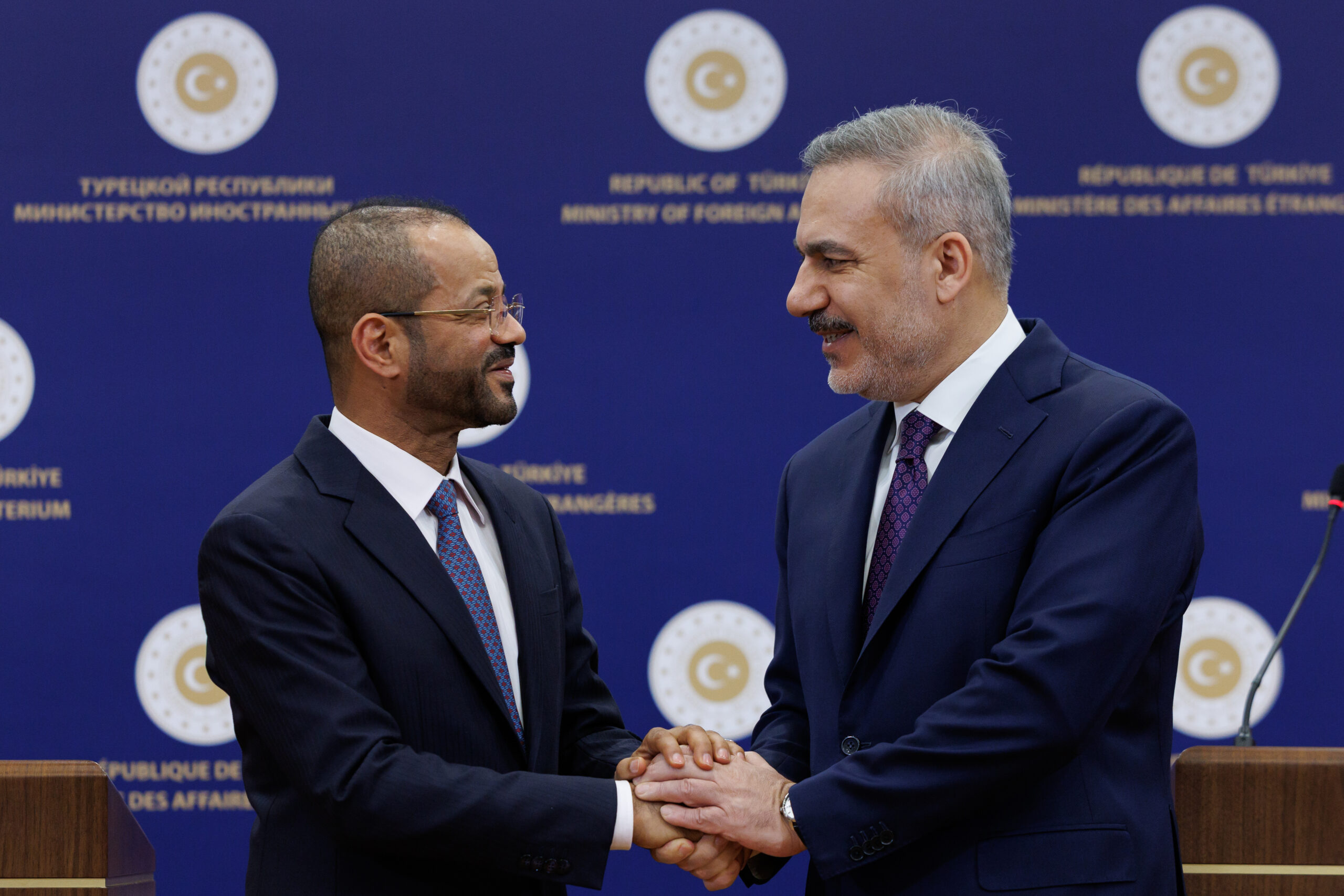
The final stop in Muscat highlighted the long-term strategic dimension of Türkiye’s Gulf policy. Erdoğan met Sultan Haitham bin Tariq, who has been the leader of Oman since 2020, to discuss energy, logistics, and defense technology cooperation. Oman’s geographic location gives it access to both the Gulf and the Arabian Sea, making the country a critical point in future trade and energy corridors.
Türkiye sees Oman as a corridor partner that can help connect Turkish and Gulf markets to the Indian Ocean, while Muscat values Ankara as a partner capable of balancing regional relations without pushing hard geopolitical agendas. The visit signaled Ankara’s interest in deeper engagement with Oman’s infrastructure and energy sectors, as well as potential cooperation in defense technology training and maintenance.
What the trip means
Throughout the trip, Türkiye repeated a consistent set of messages. Economic cooperation stood at the center, with a focus on investment, energy, and infrastructure. Defense industry partnerships gained particular emphasis in Qatar, where Turkish companies presented their expertise in drone technology, armored vehicles, and command-and-control systems. Turkish officials framed defense industry cooperation not as short-term sales but as part of a broader strategy of long-term industrial partnerships and joint ventures. This approach aligns with the Gulf states’ current efforts to diversify their defense procurement away from traditional Western suppliers and to localize parts of their defense production. Türkiye’s growing reputation as an independent and credible defense producer gave Türkiye a valuable entry point into these conversations.
The genocide in Gaza and the joint efforts to stop Israeli aggression shaped the political tone of every stop. Erdoğan consistently raised the issue in his meetings with Gulf leaders. This common stance on Gaza allowed Türkiye to strengthen its political ties with the Gulf at a moment when regional alliances are under strain. By aligning its Gaza messaging with that of key Gulf states, Türkiye positioned itself as a cooperative rather than confrontational actor in the region.
This tour also reflects a larger trend in Turkish foreign policy. Türkiye increasingly seeks structured, long-term partnerships rather than ad hoc diplomatic exchanges. The combination of investment agreements, defense industry cooperation, and political coordination signals a deliberate shift. Türkiye is trying to build a presence in the Gulf that connects economic and security interests, rather than relying on occasional political visits. Qatar provides a strategic anchor, Kuwait offers financial and political stability, and Oman adds geographic depth and connectivity to this equation. Together, these elements form a more layered and stable Gulf strategy.
This opinion piece was published on Daily Sabah on Oct. 23, 2025 under the title “Türkiye in the Gulf again: Bilateral and multilateral aims”