Water resources have become a critical issue at the heart of security, politics, and diplomacy in the 21st century, extending far beyond an environmental concern. In the Middle East in particular, water is one of the key factors shaping interstate relations. The flow and distribution of the Euphrates and Tigris rivers have long been a strategic topic in relations between Iraq and Türkiye. Recent developments have drawn significant attention, including statements by Iraqi Water Resources Minister Aoun Diab, a visit to Ankara by Iraqi Parliament Speaker Mahmoud al-Mashhadani, Türkiye’s announced water release policies, assessments by international organizations and meetings held by Iraqi Turkmen Front (ITC) leader Mehmet Seman Ağaoğlu. At the same time, the role of the Turkmen in this process and their potential to serve as a bridge of trust in Ankara-Baghdad relations have brought the Turkmen factor to the forefront of Iraqi politics.
Türkiye’s water policy and the global context
Türkiye has announced that it has not reduced the amount of water released to Iraq, in line with its policy of fair, rational and effective sharing of transboundary water resources among riparian countries. Ankara said it has provided flows above its committed levels. According to official data, 654 cubic meters of water per second were released in July 2025, and 571 cubic meters per second in August 2025. These figures indicate that Türkiye has exceeded its obligations based on its technical capacity. This situation clearly shows that the claims, which occasionally surface between the two countries, that “Türkiye uses water sharing as a means of pressure,” are far from reality. Indeed, the figures released by Ankara also demonstrate that Türkiye aims to fully meet its commitments, strengthen its international image, and reinforce its policy of regional cooperation.
The water issue is no longer merely a bilateral matter between Iraq and Türkiye but has increasingly gained global significance. Celeste Saulo, Secretary-General of the World Meteorological Organization (WMO), emphasized that the world’s water resources are under growing pressure and that water-related hazards are having greater impacts on lives and livelihoods. According to data from the United Nations water agency (UN Water), around 3.6 billion people face inadequate access to water for at least one month each year, and this number is expected to exceed 5 billion by 2050. These figures show that the water crisis in Iraq is part of a broader global trend. Therefore, efforts to address Iraq’s water challenges must go beyond bilateral relations and expand avenues for cooperation at regional and international levels.
Iraq-Türkiye water diplomacy and crisis management
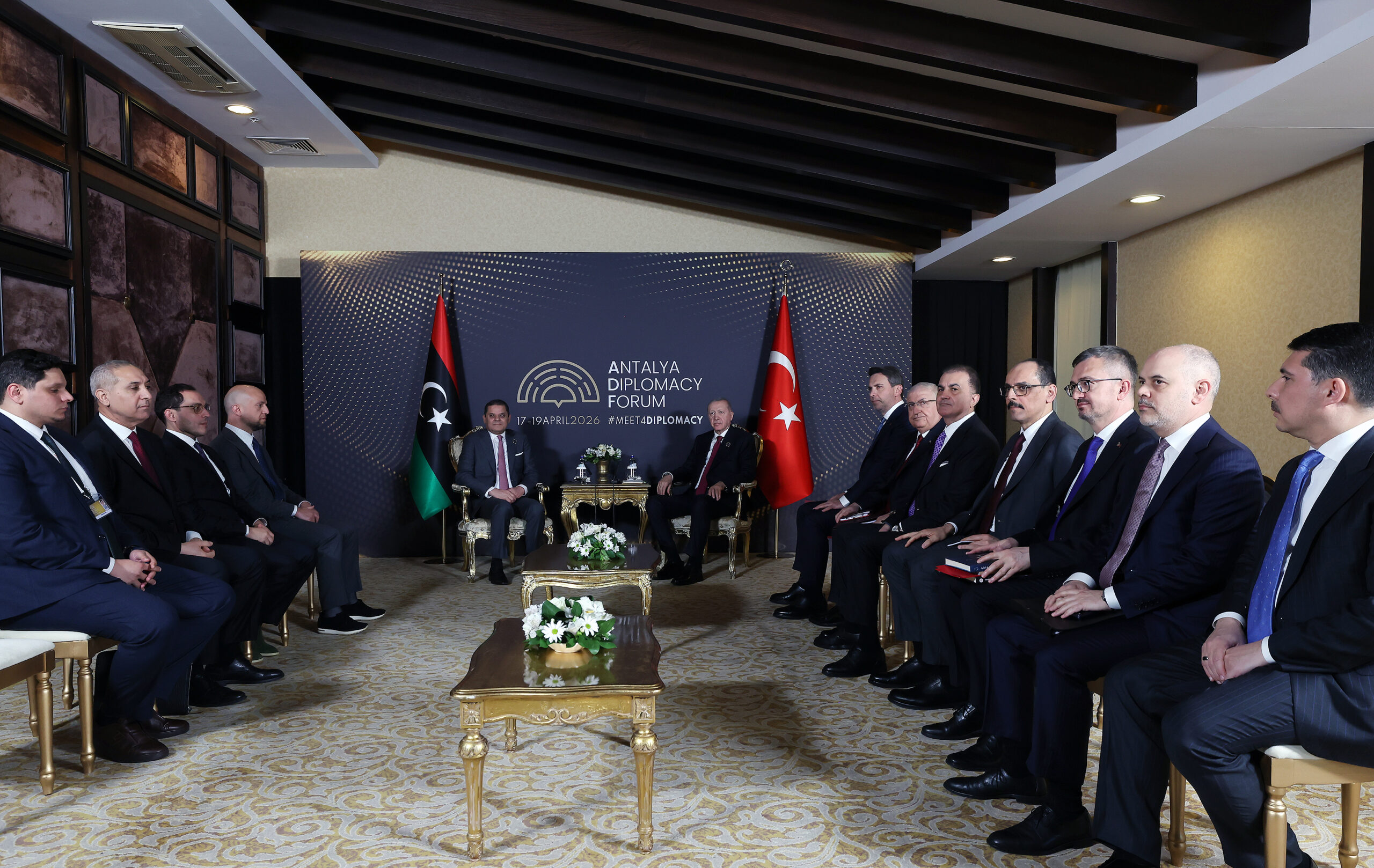
Iraq’s Minister of Water Resources, Diab, announced that Türkiye has pledged to increase the amount of water released to Iraq. This development is seen as a result of diplomatic efforts initiated under the directive of Iraqi Prime Minister Mohammed Shia Al-Sudani. According to Minister Diab, “The Turkish side has understood the seriousness of the water crisis in Iraq and has promised to increase the amount of water released from its dams.” Diab emphasized that the meeting was part of efforts to find a solution to the severe drought affecting the region, and he stressed that Iraq’s water crisis must not be allowed to deepen further. These statements also indicate that the Iraqi government views the water issue not merely as an environmental problem but as a matter of national security and social stability. In Iraq, declining water levels have led to a range of complex problems including reduced agricultural production, internal displacement, and social unrest.
An important step in this process was the announcement on July 1, 2025, during Iraqi Parliament Speaker Mashhadani’s visit to Ankara, that Türkiye had decided to release 420 cubic meters of water per second from the Tigris River. This decision can be seen as a tangible outcome of the water diplomacy between the two countries. Türkiye’s move in this context was positively received by the Iraqi public and also contributed to the development of bilateral relations. Mashhadani’s meetings also highlighted the active role of the Iraqi parliament in this issue. The fact that the water issue is being addressed not only at the executive level but also by the legislative branch indicates that Iraq views it as a national priority. A call by Iraqi Shia leader Muqtada al-Sadr to enhance cooperation with Türkiye and to strengthen Iraq’s water management and storage capacity similarly aligns with Iraq’s official position on the matter.
The role of Turkmens as a bridge of trust in Ankara-Baghdad relations
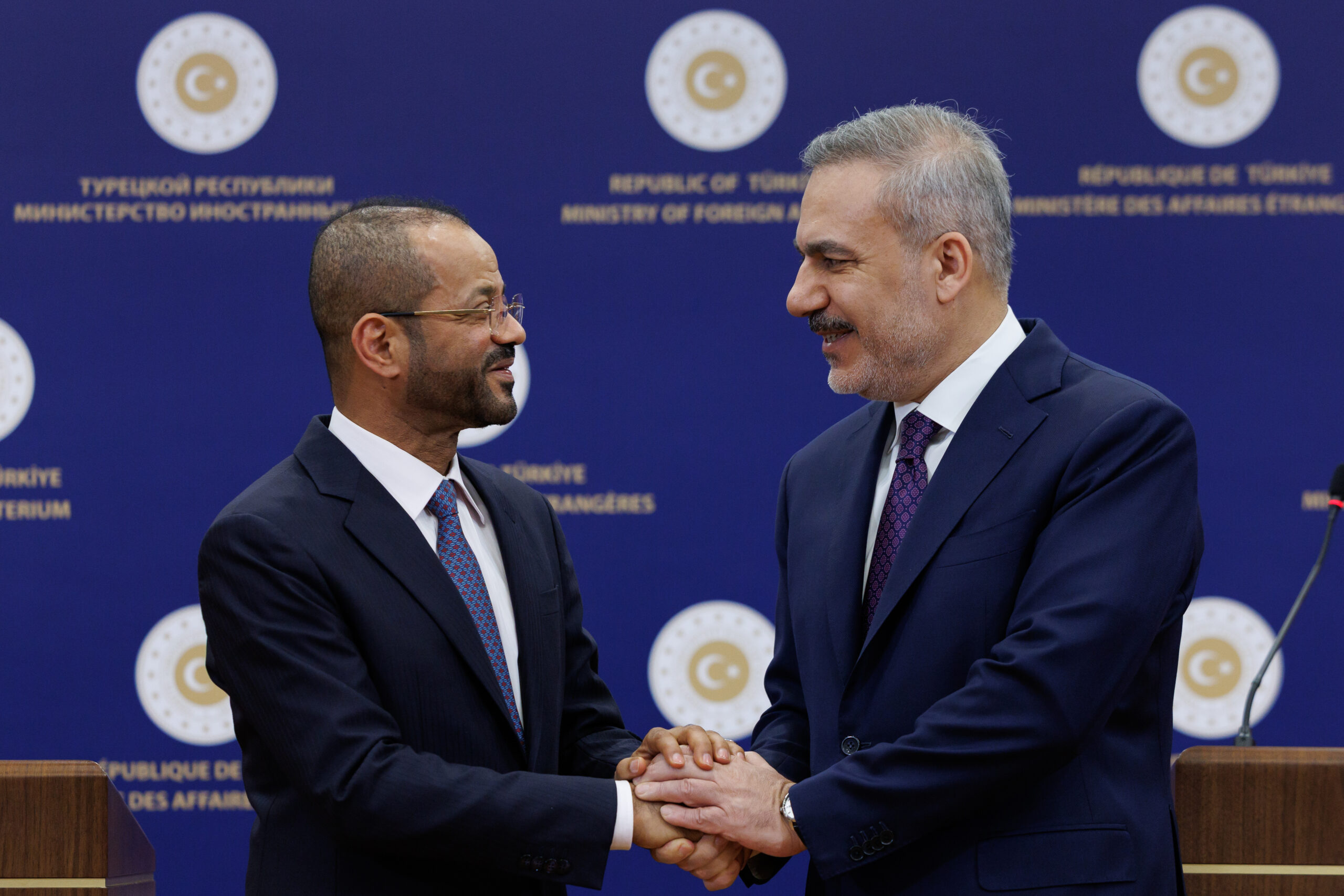
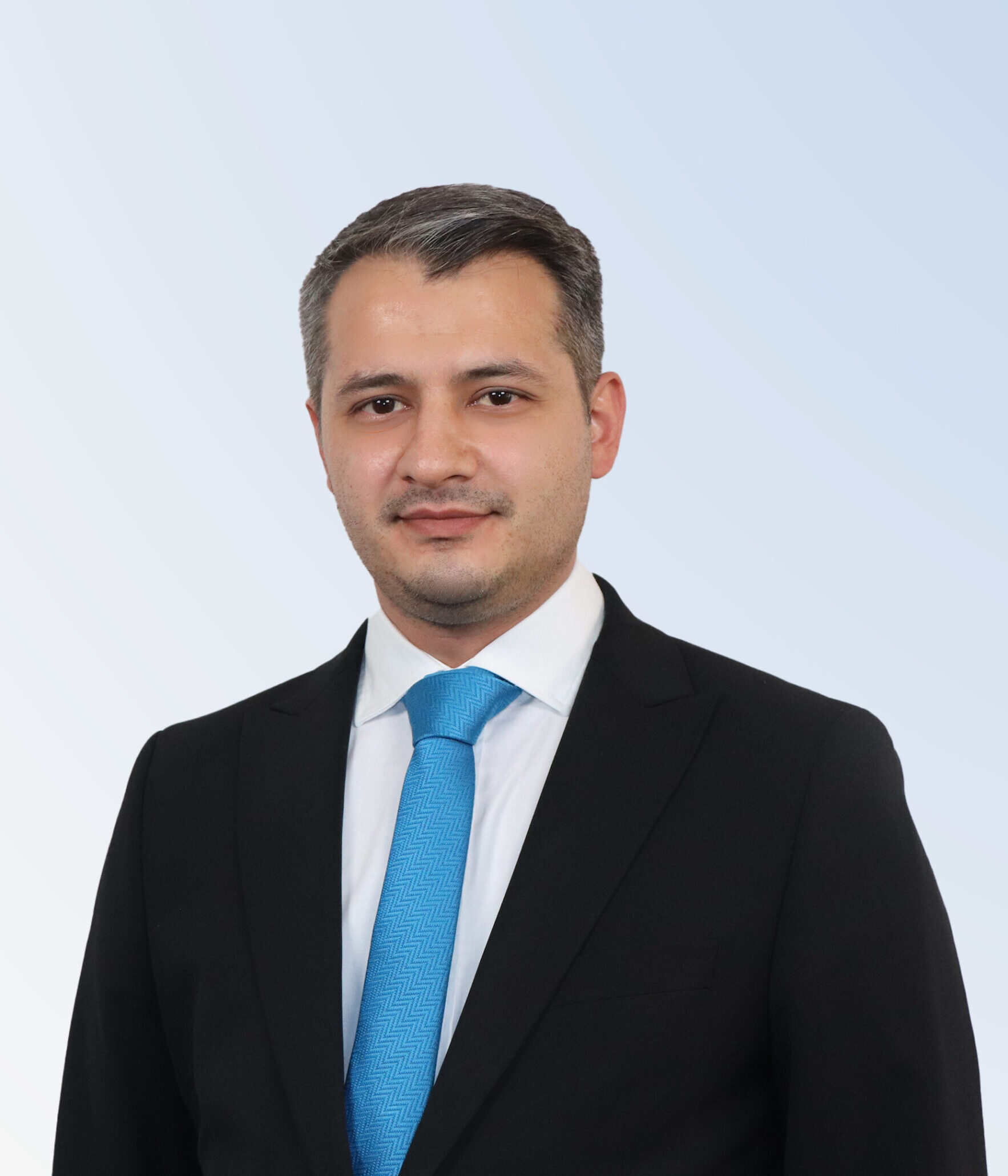
On Sept. 18, 2025, ITC Head Ağaoğlu met with Turkish Foreign Minister Hakan Fidan. Following the meeting, it was announced that Türkiye would increase its water releases to Iraq, with the measure set to begin the next day. The decision is expected to help ease the water crisis, particularly in southern Iraq.
An important aspect of the meeting was the diplomatic role played by the Turkmen. Prior to the talks, ITC’s Ağaoğlu met with advisers to Iraqi Prime Minister Sudani and received an official letter prepared for delivery to Türkiye. By presenting the letter to Turkish Foreign Minister Fidan, Ağaoğlu effectively demonstrated the Turkmen’s role as a bridge of trust between Ankara and Baghdad.
During the meeting, Fidan acknowledged the Turkmen’s role, emphasizing that they are a fundamental component of Iraq and that the Baghdad government should continue supporting the Turkmen community. He also reiterated that Iraq is the Turkmens’ homeland — a message underscoring Türkiye’s commitment to Iraq’s territorial integrity.
Considering Iraq’s ethnic and sectarian diversity, the Turkmen have often played a stabilizing role. Their function as mediators and facilitators during periods of tension between Ankara and Baghdad has further highlighted Turkmen’s strategic value. In this context, the ITC’s active diplomatic efforts should be seen not only as a move to safeguard the rights of the Turkmen community but also as a contribution to regional stability.
Regional, geopolitical implications
The management of the water crisis has emerged as more than just a technical issue in Iraq–Türkiye relations; it now stands as a geopolitical matter. The sharing of water resources has wide-ranging impacts, including on energy security, food security and social stability. Türkiye’s water policy toward Iraq could also take on the role of a strategic instrument within the framework of the Development Road Project and energy cooperation. From Iraq’s perspective, decreasing water levels, especially in the south, are rendering agricultural lands less productive and accelerating patterns of internal migration. In this context, the Turkmen’s function as a bridge of trust can be seen not merely as the diplomatic engagement of an ethnic group, but as a guarantee of long-term strategic cooperation between the two countries.
Iraq–Türkiye water relations have gained new momentum amid a period of intensified regional drought. Statements by Iraq’s Minister of Water Resources Diab, visits by Parliament Speaker Mashhadani to Ankara, Türkiye’s released flow data, and diplomatic efforts by ITC Head Ağaoğlu highlight the multifaceted nature of this process. Data from international organizations indicate that this issue is not confined to a bilateral matter but has become a global concern.
The positioning of the Turkmens as a bridge of trust between Ankara and Baghdad opens a new strategic dimension in relations between the two countries. In this context, strengthening the Turkmens’ diplomatic role will contribute to Iraq’s internal stability and the sustainability of Türkiye–Iraq relations. The water crisis is not merely an environmental issue; with its political, economic, and social dimensions, it will continue to be a fundamental dynamic shaping Iraq’s future and its relations with Türkiye.