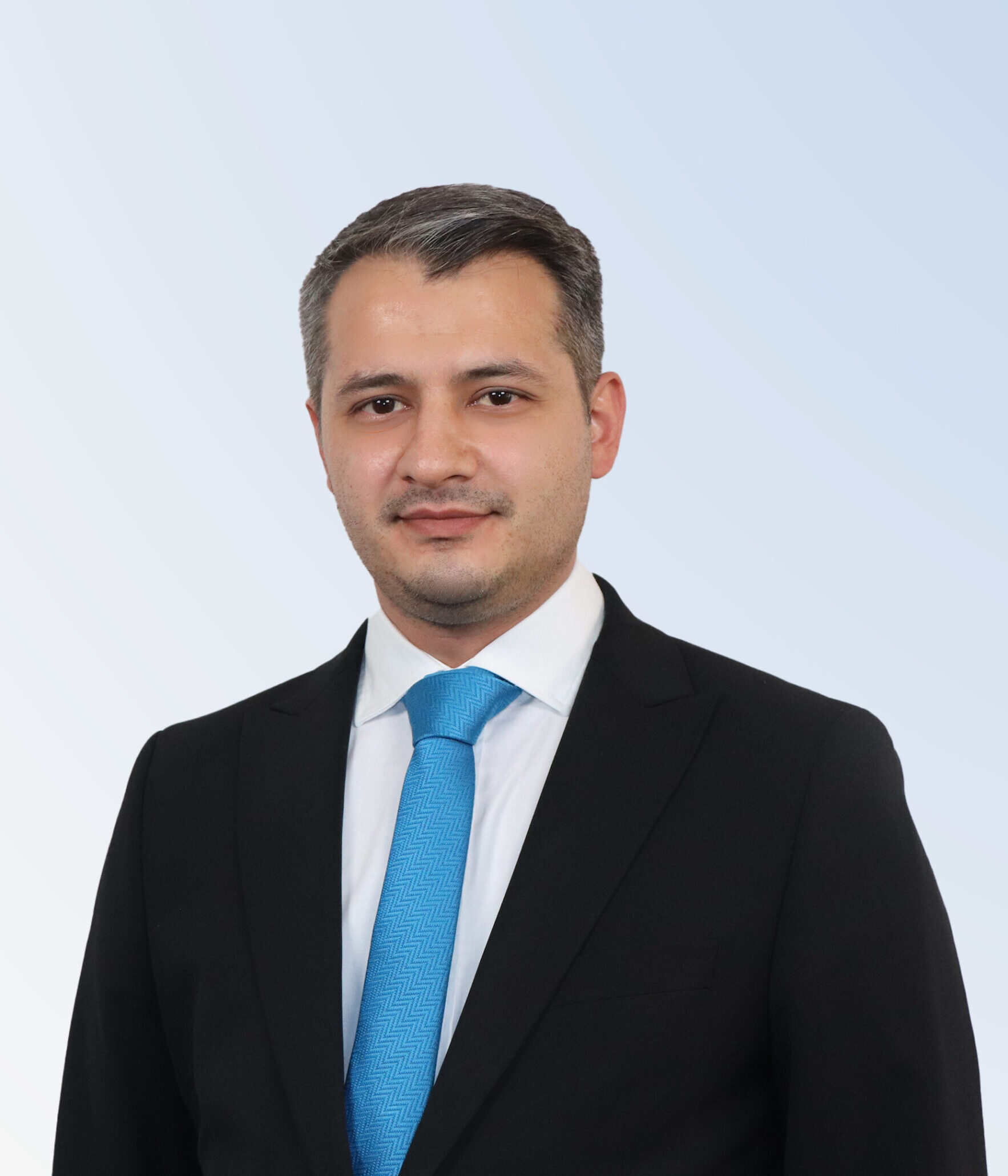
Kirkuk occupies a distinct position in terms of generating stability, as a province where the most sensitive fault lines of Iraqi politics intersect, marked by its demographic diversity and contested administrative status. Power-sharing practices that took shape after 2003 have deepened the mismatch between representation and demography, turning local governance into a persistent arena of competition. This competitive landscape began to shift on April 16 when Iraqi Turkmen Front (ITF) Head Mehmet Seman Ağa was elected governor with the support of the Patriotic Union of Kurdistan (PUK) and Arab members. Therefore, the appointment of a Turkmen governor can be understood as more than a routine change in office, but as part of a new power-sharing approach that could be institutionalized through a rotational governorship model. In this context, the presence of a Turkmen governor may foster a more inclusive governance practice in Kirkuk and, in turn, help establish a more sustainable basis for stability.
Balance in Kirkuk
Kirkuk is often described as a microcosm of Iraq due to its structure in which diverse ethnic and sectarian identities coexist. The province has a multilayered social composition, primarily comprising Turkmen, Kurds and Arabs. At the same time, Kirkuk is a province whose administrative status remains unresolved under Article 140 of the Iraqi Constitution. Therefore, local governance in Kirkuk emerges not merely as an administrative mechanism but as a sensitive arena of power sharing. In the political order that took shape after 2003, this balance was clearly tilted in favor of the Kurds. Kurdish actors held the governorship for approximately 16 years. In the post-2017 period, Arabs exercised acting authority for about seven years. By contrast, Turkmen had not assumed this post until Seman Ağa.
One of the most reliable references on Kirkuk’s demographic structure, the 1957 Iraqi general census, shows that in the provincial center Turkmen accounted for 37%, Kurds 33% and Arabs 22%. However, these ratios have not carried directly into the present due to demographic engineering projects, migration movements, security dynamics and political interventions in subsequent decades. At present, it can be said that the Turkmen, Kurdish and Arab populations are closer in size, resulting in a more balanced distribution. This situation makes the mismatch between population and political representation more visible.
In this context, the transfer of the governorship to the Turkmen should be read as more than a routine change in office, but as a step toward partially redressing imbalances in representation. The inclusion of Turkmen in governance carries the potential to foster a more inclusive political structure at the provincial level and to lay the groundwork for a more balanced distribution of power among different groups.
Why a Turkmen governor was chosen
Following Oct. 7, rising regional tensions led to a marked increase in external pressure on Iraq. After the war that began on Feb. 28, this pressure took on a more complex character, turning Iraq into an indirect arena of competition for both sides of the conflict. Indeed, various targets within Iraq were struck militarily by different camps involved in the war. This situation forced political actors in Iraq to recalibrate their positions. While some moved closer to the center, others gravitated toward a more autonomous line. Actors engaged in politics without militia structures came to represent the trend toward the center, whereas some groups that entered politics through their militia presence moved toward greater autonomy. In this process, particularly for those aligning with the center, pursuing a balanced approach that minimizes tensions became a priority. Accordingly, political actors representing centralist tendencies in Iraq began to advocate for resolving disputes and for cooperation and compromise.
In the specific case of Kirkuk, this trend has brought with it a search for a more inclusive and balancing form of governance at the local level. In this context, the support extended by the PUK, a key actor within the Kurdish political movement, to the ITF can be interpreted not merely as a tactical choice but as a response to shifting regional and national dynamics. This backing has signaled a move toward a less polarizing and more balanced governance formula in Kirkuk. Accordingly, following the 2023 Iraqi Provincial Council elections, the PUK adopted a position supporting the rotational governorship model proposed by then-ITF President Hasan Turan. Notably, this model had previously been articulated by Turkmen actors. In this sense, Turan’s proposal can also be read as a reflection of accumulated Turkmen political experience.
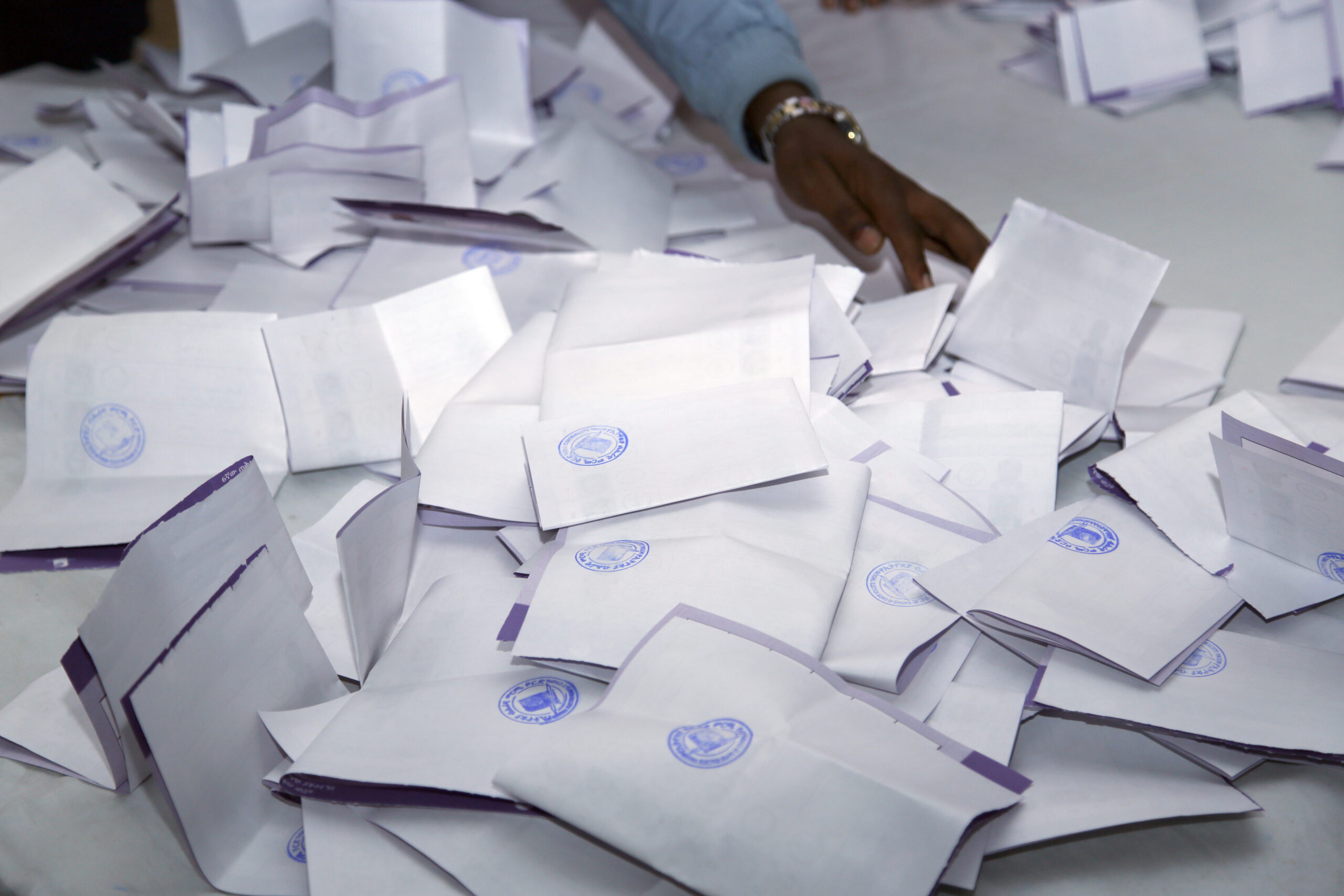
In this context, the decades-long political efforts of Turkmen actors and both past and current cadres of the ITF, combined with a favorable conjuncture, resulted in the governorship election being decided in Seman Ağa’s favor. For the Turkmen, this outcome is particularly significant given that they had not been represented in the governorship for approximately 23 years since 2003. Beyond being shaped by the current political conjuncture, the election should also be seen as a step toward reestablishing the balance of power in the province. In this regard, the election of a Turkmen governor can be considered a threshold in efforts to build a more balanced governance structure in Kirkuk. The reintegration of Turkmen, who had been excluded from governance, into the administration, and their assumption of the governorship, marks a highly significant development for the community.
Turkmen governor could bring stability
The assumption of office by a Turkmen governor in Kirkuk has demonstrated that it is possible to approach the long-debated issue of power sharing in the province through a new model. In particular, the acceptance of the rotational governorship model may lay the groundwork for a more institutionalized culture of joint governance among different ethnic and political actors in the province. By preventing the governorship from remaining under the control of a single group, this model places the transfer of power within a predictable and negotiable framework.
The rotational governorship approach effectively points to the emergence of a “Kirkuk Governance Alliance” comprising Turkmen, Kurdish and Arab actors. Similar to the “State Administration Coalition” model implemented in Baghdad politics, this arrangement is based on the inclusion of groups that do not hold the governorship within the coalition that effectively exercises governance. Therefore, the inclusive functioning of all components of this alliance could gradually transform the long-standing environment of competition and mistrust in the province into one of cooperation. This, in turn, may help limit the capacity for generating tensions by ensuring that local administrative decisions are made on the basis of broader consensus.
Meanwhile, the Turkmen’s assumption of the governorship for the first time has triggered a rupture not only at the institutional level but also at the level of perceptions. This development may strengthen the sense of a new beginning in Kirkuk and contribute to softening feelings of exclusion and competition associated with previous periods. Such symbolic thresholds can play an important role in overcoming societal traumas and fostering a more stable political environment in societies marked by multiple identities and a history of conflict. In this context, the appointment of a Turkmen governor can be assessed as a development that carries the potential to produce stability in Kirkuk through inclusive governance, power sharing, and normalization at the level of perceptions.
In conclusion, the transfer of the governorship in Kirkuk to the Turkmen gains meaning within the context of historical imbalances in representation, shifting regional dynamics, and the search for consensus among local actors. The adoption of a rotational governorship model carries the potential to make competition more manageable by placing the participation of different identities in governance within an institutional framework. This, in turn, may contribute to the formation of broader consensus in decision-making processes and strengthen coordination in the areas of security and governance. Therefore, the election of a Turkmen governor represents a threshold in Kirkuk with the capacity to generate stability through inclusive governance and perceptual normalization.