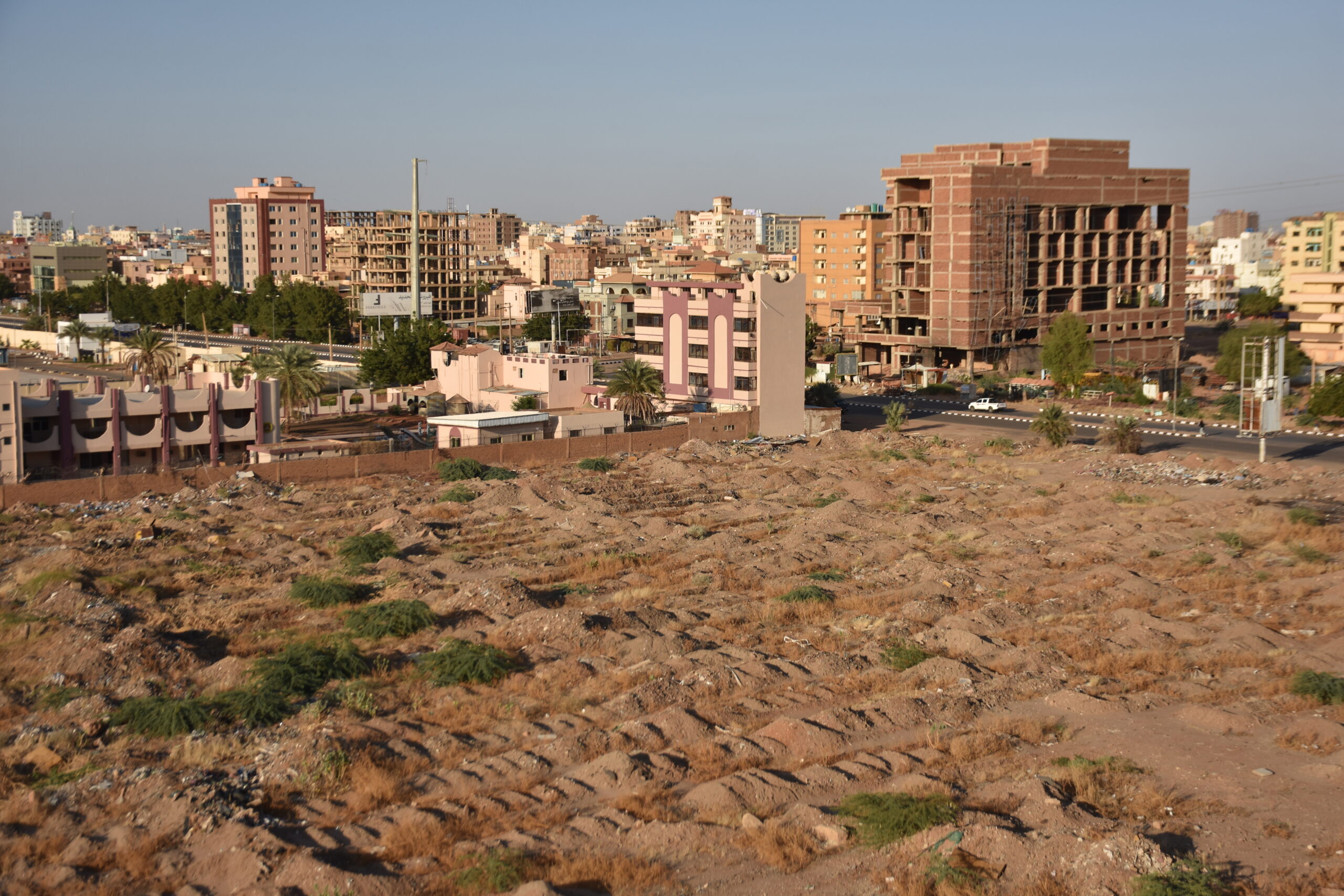
The provincial council elections, which had been postponed as electoral preparations couldn't be made for security reasons in Mosul and al-Anbar provinces of Iraq, were held on 20 June 2013. Voting started at 7 a.m. and ended at 5 p.m. Electors voted in 4361 ballot boxes in 716 polling stations in Mosul. In the elections, 28 coalitions competed to designate members of provincial council. The people went to polls to vote for the candidates they wanted to be represented by in provincial councils despite the sounds of blasts and shots heard all day long. However the voter turnout was low because of both hot weather (higher than 40o C), and also acts of violence that lasted all day long as from early in the morning, and vehicle curfew for 4 days. Permission card by authority of Iraq Ministry of Interior was required to go out by car. The voter turnout which was around 10-15 percent until noon did not change a lot afternoon either. Hence, it was observed that the people did not go to polls even after the vehicle curfew was lifted as of 1 p.m. Furthermore, although it was requested from the Independent High Electoral Commission in Iraq to extend the voting for 2-3 hours on the election day, it was not accepted. The Independent High Electoral Commission in Iraq (IHEC) announced that the turnout rate in Mosul was 37,5 percent. On the other hand, the people were also complaining about the measures taken by security forces that made it hard for the people to vote.
It was also the same in Tel Afar district of Mosul and Reshidiya, Karakoyun, Sherihan districts of Mosul, which are Turkmen regions, with all across Mosul. For instance, 4 bombs blasted in morning hours to prevent the people in Sherihan from going to the polls. The fact that they were stun grenades pointed out the motive.
In the first statements after the elections, it was mentioned that there would be a rivalry to rank first between the Mutahiddun (United) bloc of Mosul's Governor Etil Al-Nujeyfi and the Kurdish List. Hence, it became clear after the unofficial votes were declared. In the first statements, complicated and different figures were given, and each group declared higher figures than the real votes. Allegations regarding that Kurdish List rigged due to the fact that Kurdish-populated districts are rather enclaved became concrete with the application made to the Independent High Electoral Commission in Iraq (IHEC). Kurdish List was accused of voting on behalf of other people in more than 40 ballot boxes, and of voting more than indicated on the list; and complaints were submitted to the Independent High Electoral Commission in Iraq (IHEC). Accordingly, it is discussed that some 20-25 thousand votes might be removed from the Kurdish List. Nevertheless, we can't say it for sure for now. It is possible to make a clearer statement after the Independent High Electoral Commission announces the official results. However, it is asserted that the United (Mutahiddun) and Kurdish List could designate governor of Mosul with a joint agreement. There are 39 seats in Mosul Provincial Council. Three seats were reserved for Assyrians, Yezidis, and Shabaks. The rest of the seats (36 seats) will be filled according to the lists taking part in the elections in Mosul. In the seat distribution to be made in accordance with Saint Lague system, it is mentioned that 19 seats could be won to designate governor in Mosul Provincial Council with the votes to be received by the United and Kurdish List. Even if the two lists cannot reach this figure, it is taken for granted that they will merge with smaller lists close to themselves and reach that figure. However, it remains to be seen how the agreement signed between the Kurdistan Regional Government (KRG) and Iraqi Prime Minister Nouri al-Maliki right before the elections will be reflected on Mosul. Sunni Arab analysts assert that Kurds who have been pursuing a maximalist policy could ally against Nujayfis to get more share in Mosul Provincial Council. However, it seems to be a slight chance. Nevertheless, it should be taken into consideration. Because, Kurds' ranking first or second in the elections in Mosul will make the Kurdish List an equilibrium, and the group Kurds will ally with could designate the governor. On the other hand, it is also mentioned that Sunni Arab lists might form alliance. They approach Kurds' signing agreement with Nouri al-Maliki with suspicion. Despite the fact that Nouri al-Maliki was influenced by some Sunni Arab groups, Mosul is predominantly populated with Sunni Arabs. Hence, Sunni Arabs might merge. As a matter of fact, in 2009 provincial council elections, most of the Sunni Arabs had merged under al-Hadba List led by Nujayfis. However, in 2013 elections, predominant Sunni Arab political groups in Mosul ran for elections in different lists. Therefore, it is also asserted that Sunni Arab people in Mosul did not ensure turnout. Thus, Sunni Arab groups might merge again. So that, Kurds' support will not be necessary.
All in all, the political atmosphere in Mosul still remains uncertain. Following the election results, the political tension might climb in Mosul. Because after the declaration of unofficial election results, sounds of bombings and conflicts started to be heard loudly. If a political consensus was not reached after the official results, it would be as easy as pie for the groups that want to disturb the stability to turn this disagreement into military and violent actions.