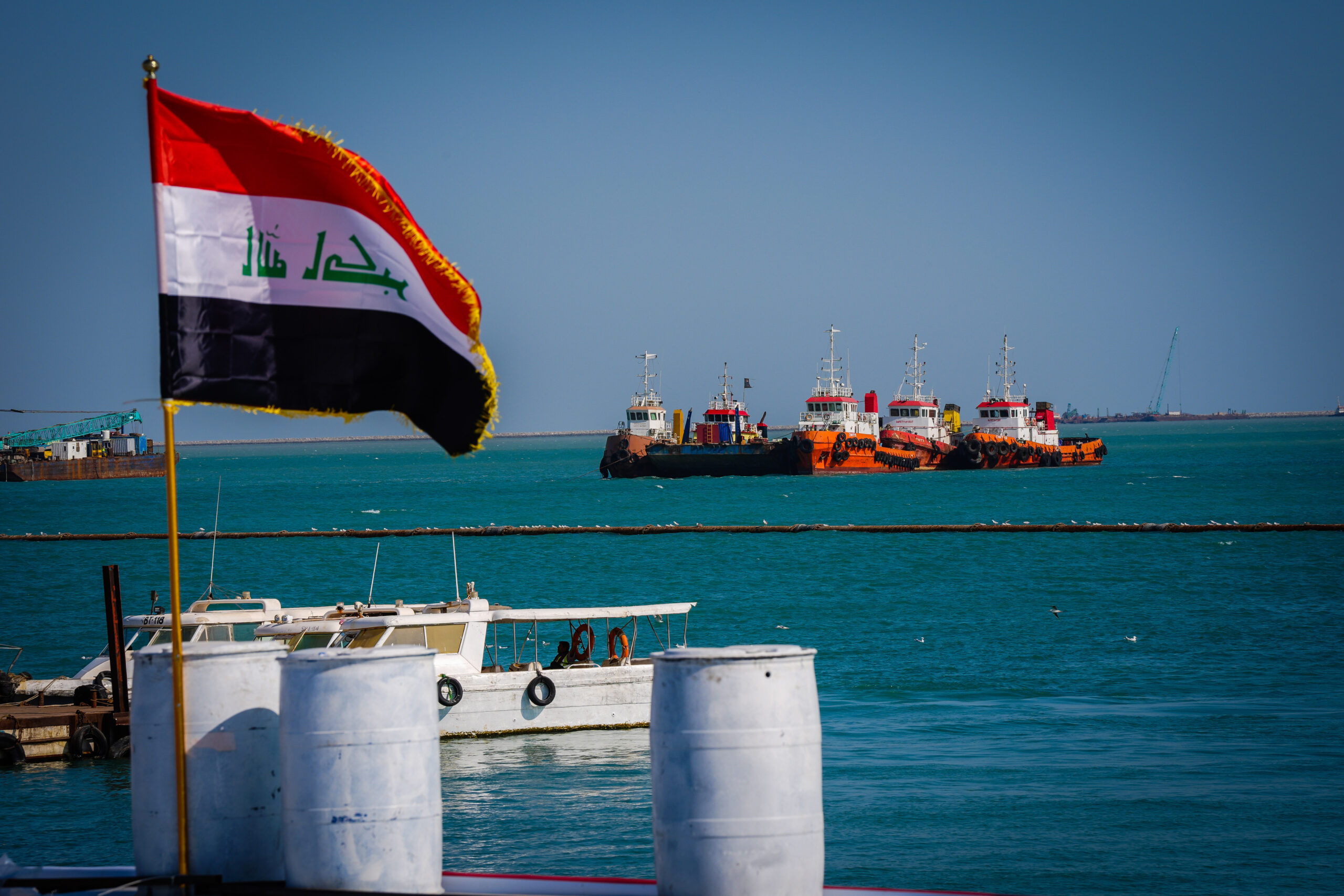
Popular uprisings that started in areas densely populated by Sunnis have been going on constantly in Iraq since the last week of December 2012.
The chief targets of the demonstrations are the government and Prime Minister Nouri al-Maliki, who is alleged to be pursuing a sectarian policy and to be heading towards a one-man system of governance.
Protests had already begun based on a number of al-Maliki’s orders within the scope of terrorist operations, including the arrest of Rafi Isavi, a leader of Iraqiya List and also Iraq’s finance minister. Then, demonstrations increased after a teenage girl in a Mosul prison was raped and a prisoner in a Diyala prison was tortured and killed. The fact that the minor who was raped and the prisoner who died as a result of torture were Sunnis increased the reaction against al-Maliki. Today, demonstrations still continue in Baghdad, Diyala, Selahaddin, Kirkuk and especially in Mosul and Anbar, and chants of slogans such as “Iraq Spring” or “A Sunni Spring in Iraq” are heard.
The internal politics of Iraq are becoming more complicated, and in addition to demonstrations, instability is very high. The government position was made clear with an arrest warrant issued for Iraqi Vice President Tariq al-Hashimi in November 2011 and a death sentence given in absentia. A petition was launched to withdraw a vote of confidence for al-Maliki as a result of opposition efforts, but the process did not have the expected results. The opposition boycotted the government and did not attend parliamentary sessions. Opposition grew in part due to a lack of a coalition government or adequate representation in Parliament of outside groups that include 17 political parties. The Iraqi government, which has become the government of al-Maliki or figures and groups close to him does not function any longer.
At the same time, problems between the Kurdish Regional Government (KRG) and the Iraqi central government have also negatively affected political stability in Iraq to a great extent. The KRG and the central government have been in conflict over issues such as the borders of provinces, their administration and revenue sharing, and foreign policy, which might be considered problematic sovereignty. Especially in Toz Khormatu, which is under the administration of Kirkuk and Selahaddin, conflict and tension continue between the peshmerga forces of the KRG and the Tigris Operations Command, which was created to be deployed in Kirkuk, Diyala and Seladdin under the administration of the Iraqi central government.
Taking all these issues together, it is evident that security in Iraq is negatively affected as well. Acts of violence have increased, especially in Baghdad, Mosul and Kirkuk and the loss of lives has also increased in parallel. The deepening of debate in Iraqi internal politics also negatively affected the authority gap. It is likely that armed militia forces will re-emerge, along with terrorist groups, in such an environment. Iraqi President Jalal Talabani’s poor health and the possibility that he might leave office for any reason could mean a new conflict for the office of the presidency. Despite the fact that the presidency was granted de facto to Kurds, al-Maliki might support a Sunni “Arab” candidate to ease the tension with Sunnis while at least receiving some of their support. He seems to signal this in his statements. Local elections are going to be held on April 20, 2013. It is likely that the results will affect the general elections planned for 2014. Growing reaction against al-Maliki, however, also brings the possibility of early election scenarios to the forefront. The ongoing Sunni demonstrations might lead al-Maliki to lose grassroots support, and therefore he might encourage early elections to maintain control. From this point of view, new crises might come up in Iraqi internal politics.
It could be concluded from the Sunni demonstrations that growing dissidence such as demanding autonomous zones like the KRG, the rupture of relations between the KRG and Baghdad, and rising Shiite-Sunni tension might be considered dangerous signs that could lead to the division of Iraq.