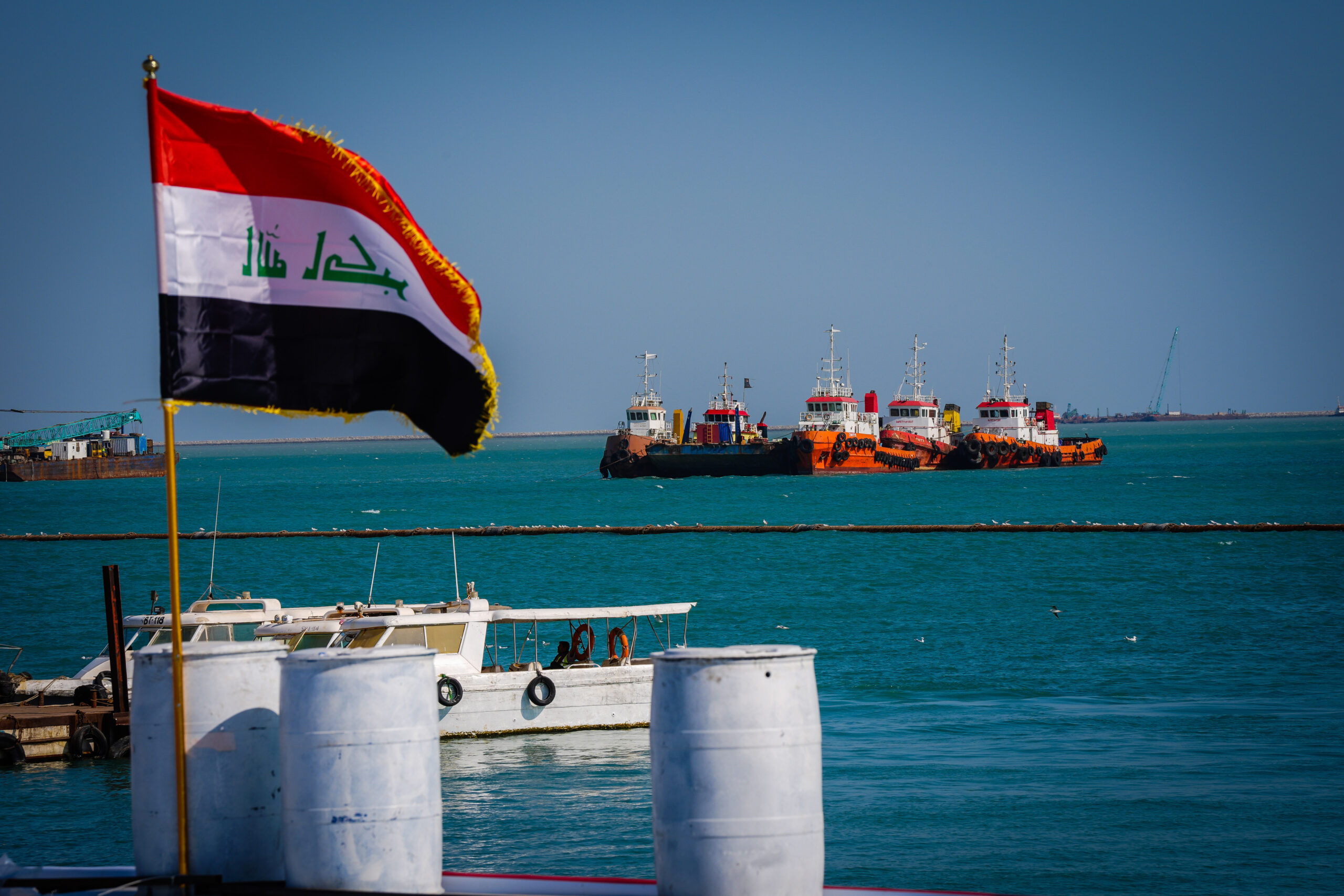
In Iraq, where the government was formed some 9 months after the elections were held on 7 March 2010, the political disputes in the country continued almost non-stop. Especially since late 2011, the politics in Iraq started to be polarized again both in sectarian and administrative terms following the case opened against Iraq's Sunni Vice-President Tariq al-Hashimi for terrorism charges and the capital sentence in absentia. While Sunni groups started opposition within government against the government, of which prime minister is Nouri al-Maliki from Dawa Party which is the first political party of the Shi'ite in Iraq and where the Shi'ite are in majority; Mosul, Diyala, al-Anbar, Seladdin provincial councils, predominantly populated with Sunni people, and Kurdish Regional Government took an administrative stand against the central government. In other words, while the Sunni politicians within the Iraqi government, which was formed as a national unity government, boycotted the sessions of council of ministers and parliament and disturbed the government's functioning; provincial local administrations with Sunni majority and the Kurdistan Regional Government started to take administrative steps against the Iraqi central government. This situation brought along problems of authority sharing and sovereignty between provincial local governments and Kurdistan Regional Government and the central government. Diyala, al-Anbar and Seladdin provincial local governments challenged the central government by issuing decisions from provincial councils to become an autonomous region. The Kurdistan Regional Government (KRG), on the other hand, signed energy agreements with some private energy companies from the U.S. such as Exxon and Turkey which has been going through a problematic process with the Iraqi central government. Moreover, military tension between Kurdistan Regional Government and the Iraqi central government has climbed especially in disputed territories and the areas where the disputes have taken place in Kirkuk in particular. Particularly the conflicts in Kirkuk and Toz Khormatu between peshmarga forces and the Tigris Operations Command, which is the special operations unit that was formed by the Iraqi central government to be assigned to Kirkuk, Diyala and Seladdin provinces and directly under the administration of prime ministry, negatively affected Iraq's agenda to a great extent. The fact that both parties increased their military in Kirkuk had negative impacts on the security in Kirkuk.
On the other hand, the firm and violent stand taken by the Iraqi central government on the protest demonstrations against the government that started in provinces with Sunni population in majority considerably increased the tension in Iraqi politics as well. Especially the fact that in some demonstrations protestors responded the same way to the efforts of suppressing demonstrations by using force disturbed the security that was getting relatively better in Iraq. Finally, the fact that more than 50 people were killed as a result of the fact that the Iraqi Army opened fire on protestors in Hawija district of Kirkuk in late April further increased the wave of violence in Iraq. Hence, according to the figures of UNAMI (United Nations Assistance Mission in Iraq) in May, 1045 security officers and Iraqi civilians were killed. After 1045 people were killed on May 2013, it was recorded that it has been the heaviest loss caused by acts of violence since April 2008. However what is more important is that the events' taking place on a sectarian basis brought along the fear that Iraq could go back to the period of 2005-2007. In fact, some news regarding that people in masks started to commit sectarian murders again in certain districts of Iraq revived the fear of sectarian war.
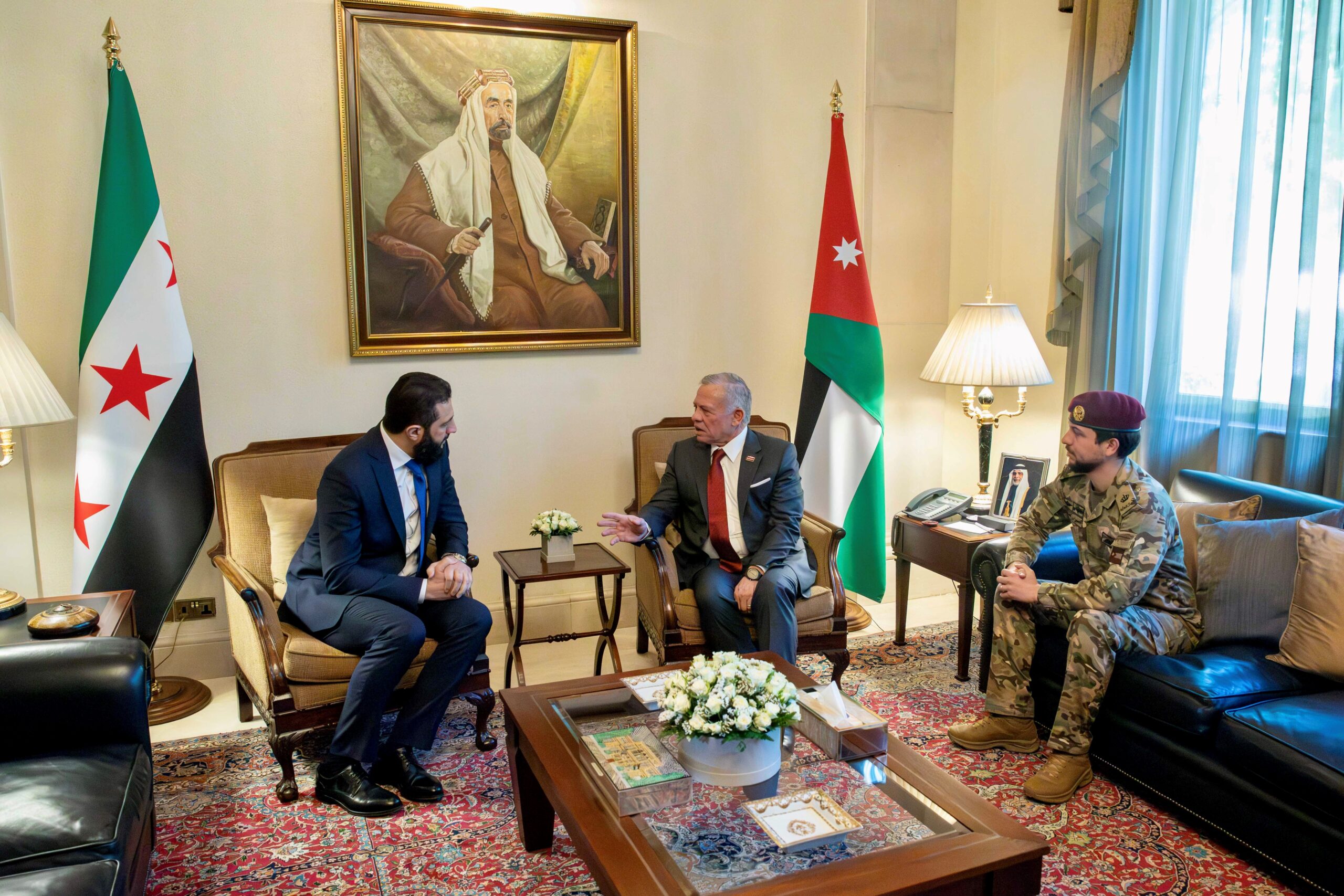
In such an environment, a conference was held with broad participation among political parties in Iraq on 1 June 2013 to commemorate the birthday of Hz. Ali as a result of an initiative of Ammar al-Hakim, who leads the Islamic Supreme Council of Iraq, to mediate between political parties for a long time. In addition to Vice President Hudair Khuzai representing the Iraqi Presidency, also Prime Minister Nouri al-Maliki, Iraqi Parliament Speaker Osama Al-Nujayfi, representatives of Kurdistan Regional Government, ministers, deputies and political party leaders and representatives took part in the conference. While a concrete decision was not made, it was suggested to maintain peace talks within the government. Besides, holding another conference with broad participation under the leadership of Maliki and Nujayfi in the forthcoming period was put on the agenda. A 7-article agreement focusing on eliminating problems between the two parties was already signed between Maliki and the President of Kurdistan Regional Government Nechirvan Barzani. Afterwards, the fact that it was decided to hold and maintain this conference seems to be promising in terms of the future of Iraqi politics. As a matter of fact, there has been a considerable decrease in the acts of violence in Iraq after the June 1st conference. A major act of violence of blast did not take place in May other than a couple of minor protests. This situation is one of the most important indicators of the parallelism between the spiral of violence and politics in Iraq. Namely, political instability in Iraq brings along violence. Therefore, maybe it would be better if the Iraqi politicians didn't not let armed groups intervene in politics. Thus, politics should be demilitarized. Furthermore, resorting to open diplomacy is of critical importance. The Iraqi general elections is planned to be held in 2014 in the forthcoming process. Entering in this process with a political chaos and wave of violence would bring forward whether to hold elections or not and if elections were held its legitimacy would be in question. Hence, it is very important for all parties in Iraq to strive to solve the problems through negotiations, in terms of the future of the country.